

 ITAL LIFE
 EARTH’S CREATION
 NACHER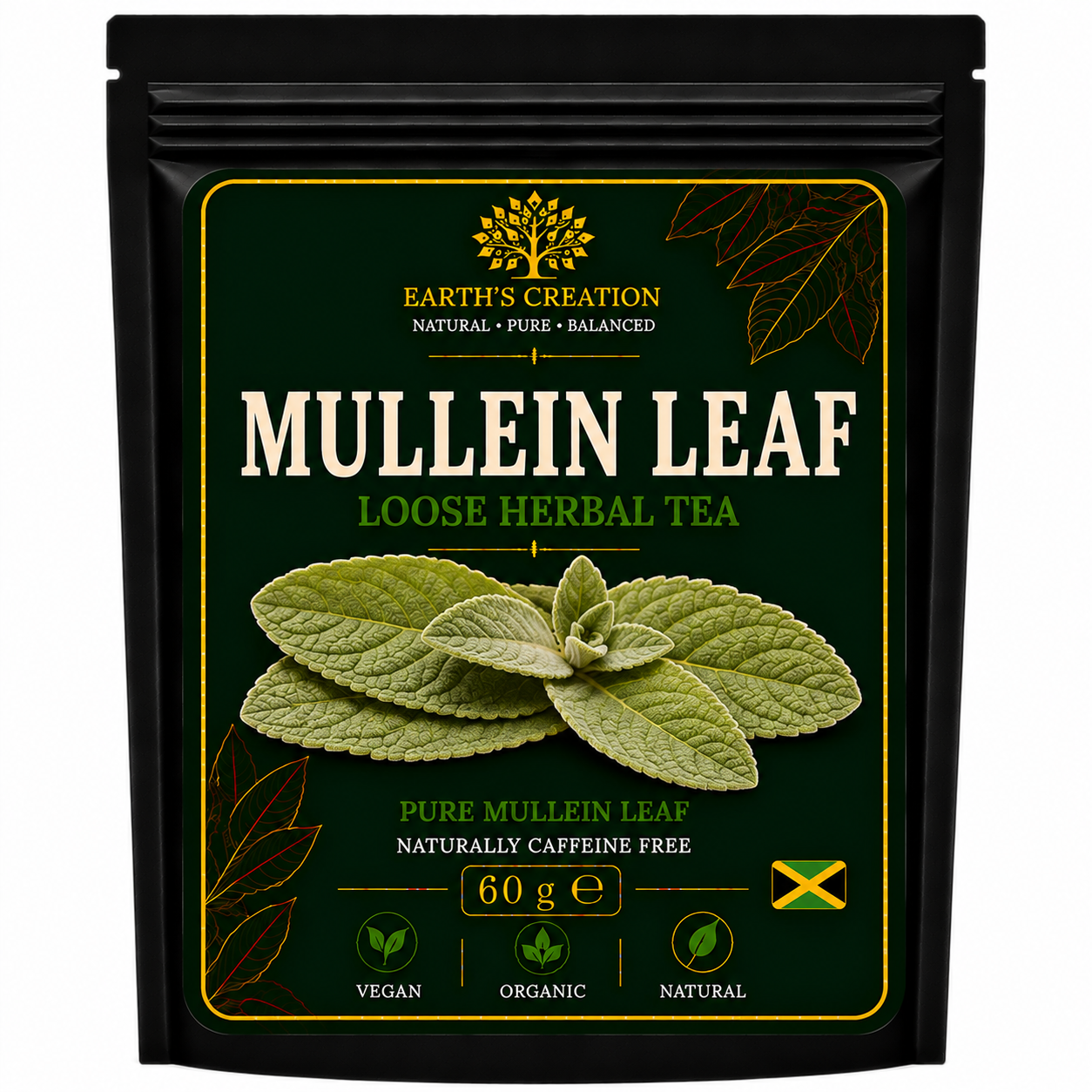
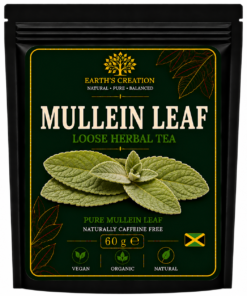
Mullein Leaf – Powerful Traditional Botanical
Mullein Leaf is a traditional botanical commonly obtained from Verbascum thapsus, a striking biennial plant known for its soft, velvety leaves and tall flowering stalks. Often called common mullein or great mullein, the plant has a long history within European folk-herbal traditions and is now found in many parts of the world.
The plant is particularly easy to recognise. During its first year, it generally develops a rosette of large, woolly leaves close to the ground. As it matures, it can produce an impressive upright flower stalk covered with numerous small yellow flowers.
Once appropriately harvested and dried, the leaves provide a distinctive botanical material with a soft texture and characteristic appearance. For customers interested in traditional European herbs, dried leaves and plants with fascinating cultural histories, mullein makes an interesting addition to a botanical collection.
What Is Mullein Leaf?
Mullein Leaf generally refers to the dried leaves of Verbascum thapsus.
The plant belongs to the Scrophulariaceae family and can grow remarkably tall during its flowering stage.
Its broad leaves are covered with fine hairs that create the characteristic soft or woolly texture for which mullein is well known.
This fuzzy surface is one of the plant’s most distinctive features, but it is also important when preparing dried mullein because the fine hairs can be irritating if they are not properly filtered from an infusion.
If your supplier documentation confirms Verbascum thapsus, include that botanical name prominently in your WooCommerce product specifications.
Traditional Uses of Mullein Leaf
Mullein has been known within European folk-herbal traditions for generations.
Historically, the leaves became particularly associated with preparations concerning the throat and respiratory system. This traditional reputation continues to be one of the main reasons customers recognise the plant today.
Mullein has consequently appeared in many traditional herbal tea and botanical preparations.
However, historical use should not be converted into claims that ordinary dried leaves can cure asthma, eliminate bronchitis, treat pneumonia or heal other respiratory diseases.
A responsible product listing can accurately discuss the plant’s traditional history without promising medical outcomes.
Verbascum thapsus – Botanical Identity
The scientific name commonly associated with great mullein is Verbascum thapsus.
Using the botanical name alongside the common product name gives customers a precise way to identify and research the plant.
This is especially useful because the Verbascum genus contains numerous species, and common names may differ between countries.
If your supplier lists a different Verbascum species, use the exact botanical identification provided rather than automatically assigning Verbascum thapsus.
Accurate identification improves both customer information and botanical credibility.
The Distinctive Velvety Leaves
One of the most memorable characteristics of Mullein Leaf is its texture.
Fresh mullein foliage is densely covered with tiny hairs, giving the leaves a soft, almost felt-like appearance.
The unusual texture has contributed to several historical common names for the plant.
When the leaves are dried and cut, some of these fine hairs can remain within the botanical material.
For this reason, traditional mullein infusions should be strained carefully through a fine filter before drinking.
This practical preparation point is especially useful for customers purchasing loose dried leaves.
Preparing Mullein Leaf Tea
Food-grade dried mullein has traditionally been prepared as an herbal infusion.
The dried botanical material can be steeped according to the directions supplied with the product.
Because of the naturally occurring fine hairs on the leaves, the finished infusion should be filtered particularly well before consumption.
A fine tea filter, tightly woven strainer or other appropriate filtering method can help prevent plant hairs from remaining in the finished drink.
Only material confirmed by your supplier as food grade and intended for consumption should be marketed for herbal tea.
Customers should always follow the specific preparation and serving instructions provided with the product.
Mullein and Traditional Respiratory Herbalism
Mullein’s long association with respiratory preparations has given it a particularly strong reputation within folk herbalism.
Historical preparations involving the leaves were traditionally connected with coughs and throat discomfort.
Modern customers may therefore encounter websites making much stronger claims about mullein and lung health.
These claims require caution.
Traditional use does not demonstrate that dried leaves can treat chronic obstructive pulmonary disease, asthma, lung infections or other significant respiratory conditions.
Persistent coughing, wheezing, chest pain, coughing up blood or difficulty breathing requires appropriate medical assessment.
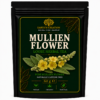
Mullein Leaf and Mullein Flower
Customers researching mullein may encounter products made from different portions of the plant.
Both leaves and flowers have histories within traditional botanical practices, but they are different ingredients.
Your Mullein Leaf product consists specifically of dried leaf material.
This distinction should remain clear because information about a flower preparation, infused oil or concentrated extract should not automatically be applied to loose dried leaves.
Precise product descriptions help customers understand exactly what they are purchasing.
An Impressive Flowering Plant
Mullein’s growth pattern makes it one of the more visually dramatic traditional herbs.
The first-year leaf rosette can remain relatively close to the ground, while the mature flowering plant may develop a remarkably tall central stalk.
Small yellow flowers open along this upright structure.
Its unusual appearance has contributed to numerous regional names and a substantial amount of folklore.
The plant has also become naturalised far beyond its original European and Asian range.
Why Choose Mullein Leaf?
This traditional botanical may appeal to customers interested in:
- Traditional European herbs
- Verbascum thapsus
- Dried herbal leaves
- Traditional herbal teas
- European folk-herbal traditions
- Individual dried botanicals
- Historical herbal ingredients
- Naturally caffeine-free botanicals
- Traditional plant collections
Its soft leaves and striking growth habit make mullein noticeably different from many familiar herbs.
Explore More Traditional Botanicals
A varied herbal collection can contain leaves with very different textures, aromas and traditional histories.
Mullein provides a distinctive European botanical with generations of folk-herbal heritage.
Explore our Lungwort Herb for another traditional European botanical with a fascinating history in folk herbalism.
This gives customers a relevant internal connection between two botanicals with strong historical associations in European herbal traditions.
Responsible Use of Mullein Leaf
Mullein Leaf should be prepared and used according to the directions supplied with the specific product.
When preparing an infusion, carefully filter the liquid to remove the plant’s naturally occurring fine hairs, which may irritate the mouth or throat.
Anyone who is pregnant or breastfeeding, taking medication, managing an existing medical condition or uncertain whether mullein is suitable should seek appropriate professional advice before use.
People experiencing persistent or serious respiratory symptoms should obtain medical assessment rather than relying solely on traditional botanical preparations.
Herbal products should not replace prescribed medication or necessary medical care.
Discover Traditional Mullein
With its velvety foliage, towering flower stalk and generations of European folk-herbal history, Mullein Leaf comes from one of the most visually distinctive plants found in traditional botanical collections.
Its identity as Verbascum thapsus provides customers with a reliable botanical reference while its unusual texture and historical reputation make it particularly memorable.
Whether you’re exploring European herbs, traditional dried leaves or lesser-known botanical ingredients, mullein provides an interesting combination of botanical character, cultural heritage and traditional use.
Explore our Lungwort Herb for another traditional European botanical with a fascinating history in folk herbalism.
Learn more about the botanical classification of Verbascum thapsus through the Royal Botanic Gardens, Kew Plants of the World Online database.
Only logged in customers who have purchased this product may leave a review.
Related products
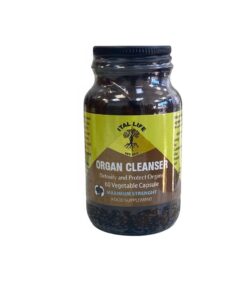

Alkaline Herb Formulas
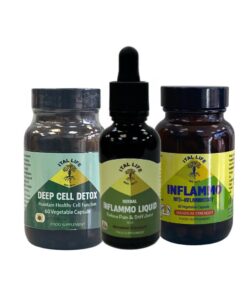
Organ Cleanser Herbal Capsules | Natural Liver, Kidney & Digestive Support.

Alkaline Herb Formulas
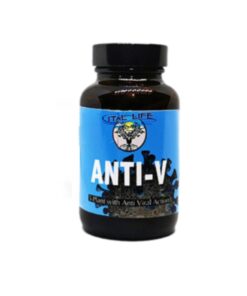
Anti-V Herbal Capsules, Natural Immune & Antioxidant Support, Plant-Based Daily Wellness Formula
Alkaline Herb Formulas
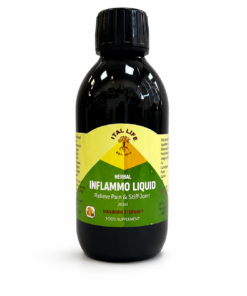
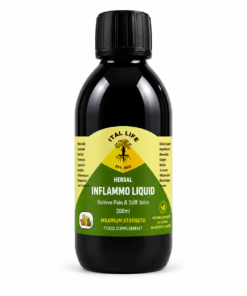
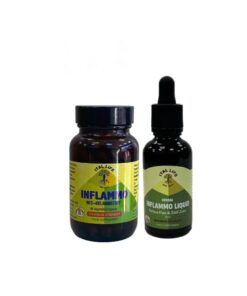
Inflammo Liquid Herbal Tonic | Joint, Inflammation & Mobility Support | Plant-Based Herbal Formula


Alkaline Herb Formulas
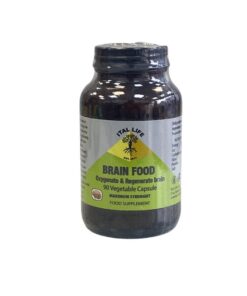
BRAIN FOOD Herbal Capsules | Natural Memory, Focus & Cognitive Support
Reviews
There are no reviews yet.