

 ITAL LIFE
 EARTH’S CREATION
 NACHER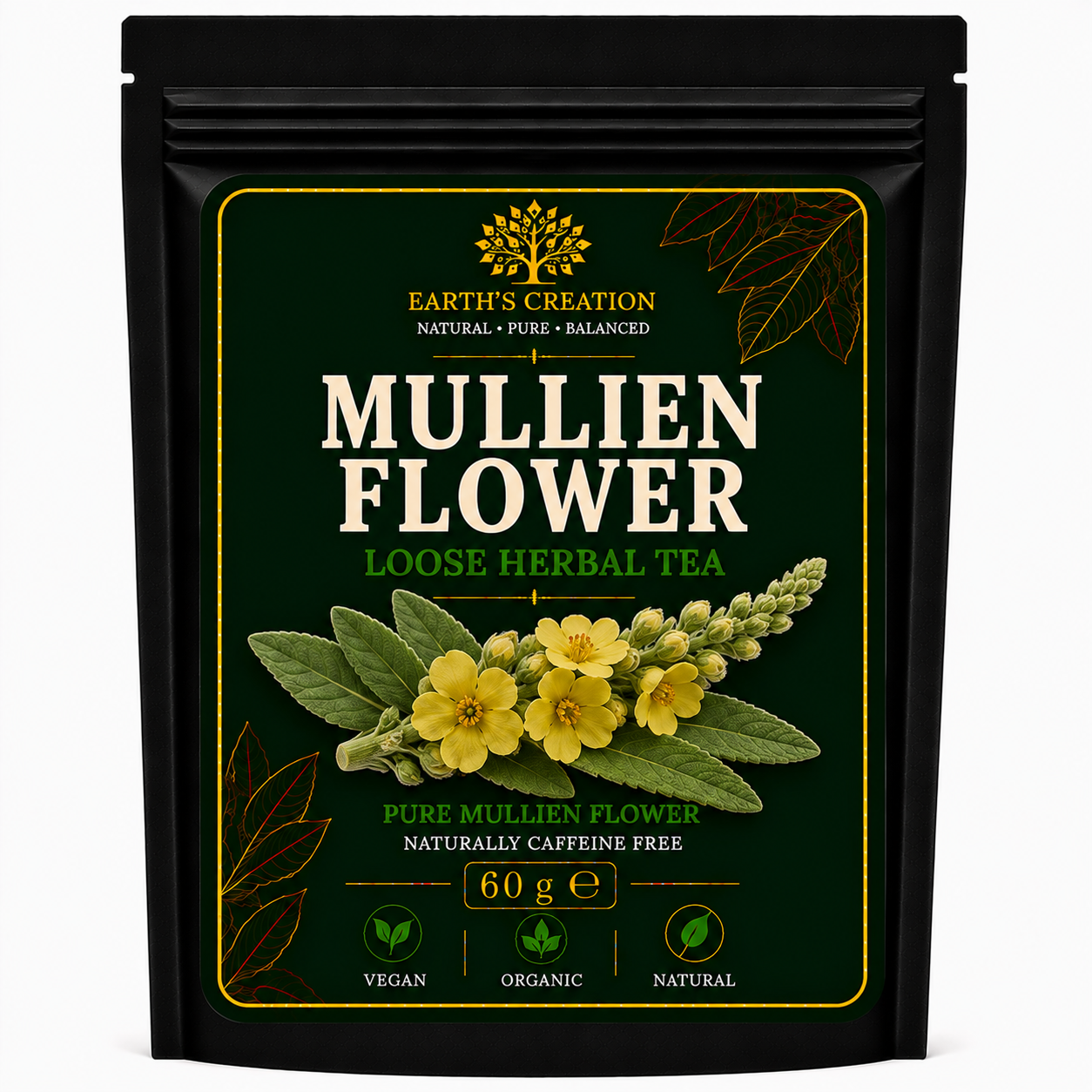
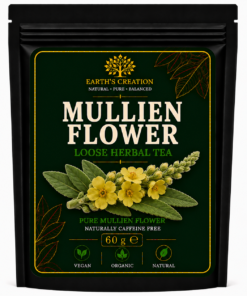
Mullein Flower – Powerful Traditional Botanical
Mullein Flower is a distinctive traditional botanical obtained from plants belonging to the Verbascum genus. One of the best-known species is Verbascum thapsus, commonly called great mullein or common mullein. This remarkable plant is recognised for its soft, velvety leaves and tall flowering stalk covered with small yellow blossoms.
Mullein has a long history within European folk-herbal traditions. While the leaves are probably the most familiar part of the plant in modern herbal collections, the flowers have also been gathered and used traditionally.
Once carefully harvested and dried, the delicate yellow blossoms provide a botanical ingredient quite different in appearance and texture from dried mullein leaves.
For customers interested in traditional European herbs, dried flowers and historical botanical preparations, mullein provides a fascinating combination of distinctive appearance and generations of herbal heritage.
What Is Mullein Flower?
Mullein Flower refers to the blossoms collected from Verbascum plants.
Verbascum thapsus is one of the species most commonly associated with traditional mullein preparations, although the genus contains numerous species.
The mature plant is particularly impressive because it can produce a tall upright flowering stalk bearing many individual yellow blossoms.
Flowers do not necessarily open simultaneously. Instead, blossoms can appear progressively along the flowering spike.
This characteristic means the plant may continue producing flowers over an extended period during its flowering season.
If your supplier confirms Verbascum thapsus, include that exact botanical name in your WooCommerce product specifications.
Mullein Flower and Mullein Leaf
Although they originate from the same plant, Mullein Flower and mullein leaf are different botanical ingredients.
The leaves are broad and famously covered with fine hairs that give them their characteristic velvety texture.
The flowers are much smaller, more delicate and generally yellow.
This distinction matters because customers may encounter herbal information discussing “mullein” without specifying which portion of the plant was used.
Research or preparation instructions involving mullein leaf should not automatically be assumed to apply identically to the flowers.
Your separate product pages for Mullein Leaf and the flower make this distinction much clearer for customers.
Traditional Uses of Mullein Flower
Mullein has generations of history within European folk herbalism.
Different portions of the plant have traditionally appeared in botanical preparations associated particularly with the throat and respiratory system.
The flowers have also historically been incorporated into preparations intended for other traditional purposes.
These historical associations are an interesting part of the plant’s botanical heritage, but they should not become promises that an ordinary dried flower can treat asthma, bronchitis, pneumonia, ear infections or another medical condition.
Traditional use and established medical treatment are not the same thing.
A responsible herbal listing can explain the historical reputation of mullein without making unsupported therapeutic claims.
Verbascum – Botanical Identity
Mullein belongs to the genus Verbascum.
The genus contains numerous species distributed across Europe, Asia and surrounding regions, with some species subsequently introduced to other parts of the world.
Common mullein, Verbascum thapsus, has become particularly well known and is now naturalised in many regions.
Botanical identification is important because products carrying the common name mullein may not always originate from precisely the same species.
The botanical name provided by your supplier should therefore take priority.
The Distinctive Yellow Flowers
One of the most beautiful characteristics of mullein is its flowering spike.
During the plant’s second growing season, a tall central stem can develop from the basal rosette of leaves.
Numerous yellow blossoms then appear along this upright structure.
The contrast between the plant’s large woolly foliage and delicate yellow flowers makes mature mullein visually distinctive.
Once dried, the flowers naturally lose some of their fresh appearance, and variations in colour and size can occur between harvests.
These variations are normal characteristics of minimally processed botanical flowers.
Traditional Mullein Preparations
Food-grade dried mullein flowers may be incorporated into traditional botanical preparations according to the directions supplied with the product.
Because flowers are physically more delicate than roots and bark, their preparation can differ from tougher botanical ingredients.
Customers should always follow the instructions for the specific product they purchase.
Loose flowers, tinctures, oils, extracts and other concentrated preparations should not automatically be treated as interchangeable.
Only describe your product as suitable for tea when your supplier confirms that the flowers are food grade and intended for consumption.
Mullein Flowers and Traditional Oils
Customers researching mullein may encounter references to traditional preparations involving mullein flowers and oils.
These are different from ordinary dried-flower products.
A prepared herbal oil has undergone a different process and may be intended for a completely different application.
Customers should therefore never assume that loose dried flowers can simply be used in the same manner as a professionally manufactured finished product.
This distinction is especially important when online information discusses using mullein preparations around the ear.
Ear pain, discharge, sudden hearing changes or suspected infection should receive appropriate medical assessment.
A Fascinating Biennial Plant
The life cycle of common mullein is another interesting feature.
During its first year, the plant generally forms a low-growing rosette of large woolly leaves.
During the following growing season, it can send up its characteristic tall flowering stalk.
This dramatic transformation makes the mature plant almost unrecognisable compared with its younger form.
Its unusual appearance has contributed to numerous regional names and generations of folklore.
For botanical enthusiasts, the plant itself is every bit as fascinating as its history in herbal traditions.
Why Choose Mullein Flower?
This traditional botanical may appeal to customers interested in:
- Traditional European herbs
- Dried herbal flowers
- Verbascum botanicals
- Great mullein
- European folk-herbal traditions
- Traditional botanical ingredients
- Naturally dried flowers
- Historical herbal collections
- Individual dried botanicals
The delicate flowers provide an interesting contrast to the plant’s famous velvety leaves.
Explore Mullein Leaf
Because you carry both parts of the plant, the strongest internal SEO link for this product is your Mullein Leaf page.
Explore our Mullein Leaf for another traditional botanical obtained from this remarkable plant.
This creates a highly relevant internal connection between your two mullein products and gives customers an easy way to understand the difference between the leaf and flower.
Responsible Use of Mullein Flower
Mullein Flower should be used according to the preparation and serving instructions supplied with the particular product.
Anyone who is pregnant or breastfeeding, taking prescription medication, managing an existing health condition or uncertain whether mullein preparations are suitable should seek appropriate professional healthcare advice.
Dried flowers intended for tea should be confirmed as food grade by the supplier.
Customers should also avoid putting homemade botanical preparations directly into the ears, particularly when there is pain, discharge, injury or the possibility of a damaged eardrum.
Herbal products should not replace prescribed medication or necessary medical care.
Discover Traditional Mullein Flower
With its beautiful yellow blossoms, towering flowering stalk and generations of European folk-herbal history, Mullein Flower provides a fascinating botanical ingredient from one of the most distinctive traditional plants.
The flowers offer customers an opportunity to explore a different portion of mullein beyond its better-known velvety leaves.
Whether you’re building a collection of traditional dried flowers, exploring European botanical heritage or discovering different parts of familiar herbs, mullein flowers offer an interesting combination of natural beauty, cultural history and botanical character.
Explore our Mullein Leaf for another traditional botanical obtained from this remarkable plant.
Learn more about the botanical classification of Verbascum through the Royal Botanic Gardens, Kew Plants of the World Online database.
Only logged in customers who have purchased this product may leave a review.
Related products

Alkaline Herb Formulas
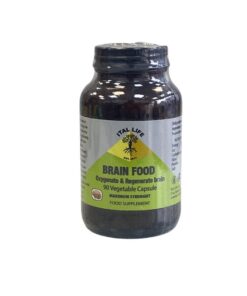
BRAIN FOOD Herbal Capsules | Natural Memory, Focus & Cognitive Support
Alkaline Herb Formulas
Multi-Mineral Herbal Capsules | Natural Mineral & Trace Element Support, and Wellness Formula
Reviews
There are no reviews yet.