

 ITAL LIFE
 EARTH’S CREATION
 NACHER
Lungwort Herb – Powerful Traditional European Botanical
Lungwort Herb is a traditional European botanical commonly associated with Pulmonaria officinalis. This distinctive woodland plant is recognised for its spotted leaves and attractive flowers, which can change in appearance as they mature.
Lungwort belongs to the Boraginaceae family and has been known within European folk-herbal traditions for generations. Its unusual common name developed from historical beliefs about the appearance of its leaves and their resemblance to lung tissue.
Once appropriately harvested and dried, the aerial portions provide an interesting botanical material for traditional herb collections.
For customers exploring European herbs, historical botanicals and lesser-known dried plants, lungwort offers a fascinating combination of botanical character, folklore and cultural history.
What Is Lungwort Herb?
Lungwort Herb is commonly identified as Pulmonaria officinalis, a perennial flowering plant native to parts of Europe.
The living plant is particularly recognisable because of its broad green leaves, which frequently display pale or silvery spots.
Its flowers are equally interesting. Depending on their stage of development, flowers on the same plant may appear pinkish, reddish, violet or blue.
These characteristics have made Pulmonaria species popular as ornamental woodland and shade-garden plants as well as historically recognised herbs.
If your supplier packet confirms Pulmonaria officinalis, use that exact botanical name in your WooCommerce specifications.
Why Is It Called Lungwort?
The unusual name lungwort provides a glimpse into the history of European herbalism.
Centuries ago, some herbal traditions followed an idea now commonly known as the Doctrine of Signatures.
According to this historical belief, the physical appearance of a plant could provide clues about the part of the human body with which it was associated.
The spotted leaves of lungwort were thought by some herbalists to resemble lung tissue.
This visual resemblance helped establish the plant’s historical association with respiratory preparations and contributed to names connected with the lungs.
Today, this idea is regarded as part of herbal history rather than scientific evidence of medical effectiveness.
Traditional Uses of Lungwort Herb
Lungwort Herb has a longstanding place within European folk-herbal practices.
Historical preparations particularly associated the plant with the throat, chest and respiratory system.
Its common name continues to reflect this traditional reputation.
However, an ordinary dried botanical should not be advertised as curing asthma, treating pneumonia, eliminating chest infections or repairing damaged lungs.
A plant’s historical association with an organ does not establish that it can treat diseases affecting that organ.
Responsible herbal information allows customers to appreciate these traditions while clearly distinguishing historical use from established medical treatment.
Pulmonaria officinalis – Botanical Identity
The botanical name Pulmonaria officinalis also reflects the plant’s historical reputation.
The genus name Pulmonaria is connected with terminology relating to the lungs, while officinalis is a species name encountered among numerous plants historically associated with herbal or medicinal preparations.
Using the botanical name alongside Lungwort Herb gives customers a precise reference when researching the plant.
This is particularly useful because several species belong to the Pulmonaria genus.
Commercial botanical material should always be identified according to the supplier’s specification rather than simply assuming every product called lungwort is the same species.
A Distinctive Woodland Botanical
Lungwort differs considerably in appearance from many familiar culinary herbs.
The plant naturally favours woodland environments and shaded locations.
Its spotted foliage is probably its most distinctive characteristic, while the colourful flowers make it attractive to gardeners and pollinating insects.
Once dried and cut for botanical use, much of this living appearance naturally changes.
Colour, texture and particle size may therefore vary between batches.
These variations are normal characteristics of minimally processed botanical material.
Lungwort and Modern Herbal Information
Traditional European herbal literature contains numerous references to plants based on historical theories that predate modern medicine.
Lungwort is an excellent example of why those traditions need context.
The resemblance between its leaves and lung tissue is botanically fascinating, but physical resemblance does not establish therapeutic action.
Likewise, historical respiratory use should not automatically become a modern claim that dried lungwort can treat respiratory disease.
Customers experiencing persistent coughing, wheezing, shortness of breath, chest pain or other significant respiratory symptoms should obtain appropriate medical assessment.
Dried Lungwort as a Botanical
Dried aerial botanical material can include different portions of the plant depending on how it has been harvested and processed.
Leaves and other above-ground material have a softer structure than substantial roots and woody bark.
Customers should follow the preparation instructions supplied with the specific product.
Loose dried herb, powders, extracts and tinctures can differ substantially and should not automatically be treated as interchangeable.
The product should also only be described as suitable for herbal tea when your supplier confirms that it is food grade and intended for consumption.
Why Choose Lungwort Herb?
This traditional botanical may appeal to customers interested in:
- Traditional European herbs
- Pulmonaria officinalis
- Historical herbal traditions
- European woodland plants
- Dried aerial herbs
- Traditional botanical collections
- Unusual flowering herbs
- European botanical heritage
- Lesser-known dried botanicals
Its spotted leaves and unusual herbal history make lungwort particularly distinctive.
Explore More Traditional European Herbs
A varied botanical collection can contain plants with very different appearances and historical reputations.
Lungwort introduces a traditional European woodland botanical alongside familiar flowers, roots and leafy herbs.
Explore our Eyebright Herb for another traditional European botanical with a fascinating history in folk herbalism.
The connection works particularly well because both plants demonstrate how historical herbal names and traditions developed around perceived relationships between plants and the human body.
Responsible Use of Lungwort Herb
Lungwort Herb should be used only according to the preparation and serving instructions supplied with the specific product.
Because Pulmonaria officinalis belongs to the Boraginaceae family, its safety deserves more caution than an ordinary culinary herb. Some plants within this family can contain naturally occurring pyrrolizidine alkaloids, compounds associated with potential liver toxicity.
For that reason, don’t market this product for unrestricted or prolonged consumption unless your supplier provides appropriate safety and quality documentation.
Anyone who is pregnant or breastfeeding, has liver disease, takes medication or has an existing medical condition should obtain professional healthcare advice before use.
Herbal preparations should not replace prescribed medicines or necessary medical treatment.
Discover Traditional Lungwort
With its spotted foliage, colourful flowers and centuries of European folk-herbal history, Lungwort Herb is an unusual and fascinating traditional botanical.
Its story also provides an interesting glimpse into how historical herbal beliefs developed long before modern scientific methods.
Whether you’re exploring European botanical traditions or expanding a collection of unusual dried herbs, Pulmonaria officinalis offers an intriguing combination of natural beauty, cultural heritage and botanical history.
Explore our Eyebright Herb for another traditional European botanical with a fascinating history in folk herbalism.
Learn more about the botanical classification of Pulmonaria officinalis through the Royal Botanic Gardens, Kew Plants of the World Online database.
Only logged in customers who have purchased this product may leave a review.
Related products

Support Packs

Alkaline Herb Formulas
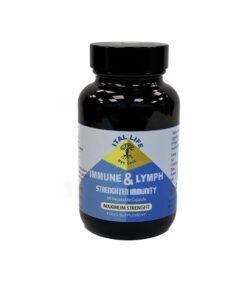
Immune & Lymph Herbal Capsules | Natural Lymphatic & Immune Support & Wellness Formula

Alkaline Herb Formulas
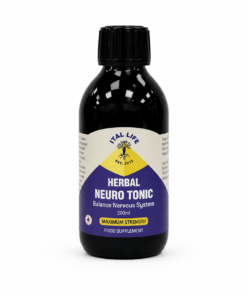
Neuro Tonic Herbal Supplement | Natural Nervous System Support,


Alkaline Herb Formulas
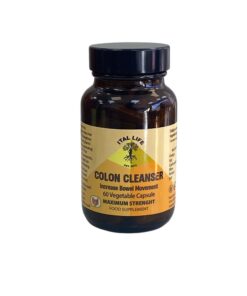
Colon Cleanser Compound Herbal Capsules | Gut Cleanse & Bowel Wellness Formula
Alkaline Herb Formulas
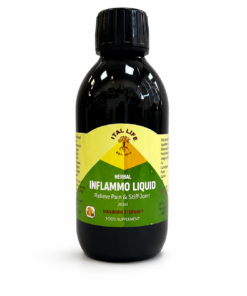
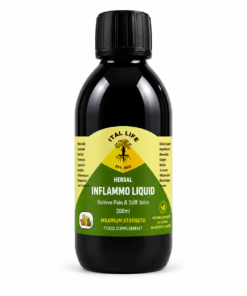
Inflammo Liquid Herbal Tonic | Joint, Inflammation & Mobility Support | Plant-Based Herbal Formula

Reviews
There are no reviews yet.