

 ITAL LIFE
 EARTH’S CREATION
 NACHER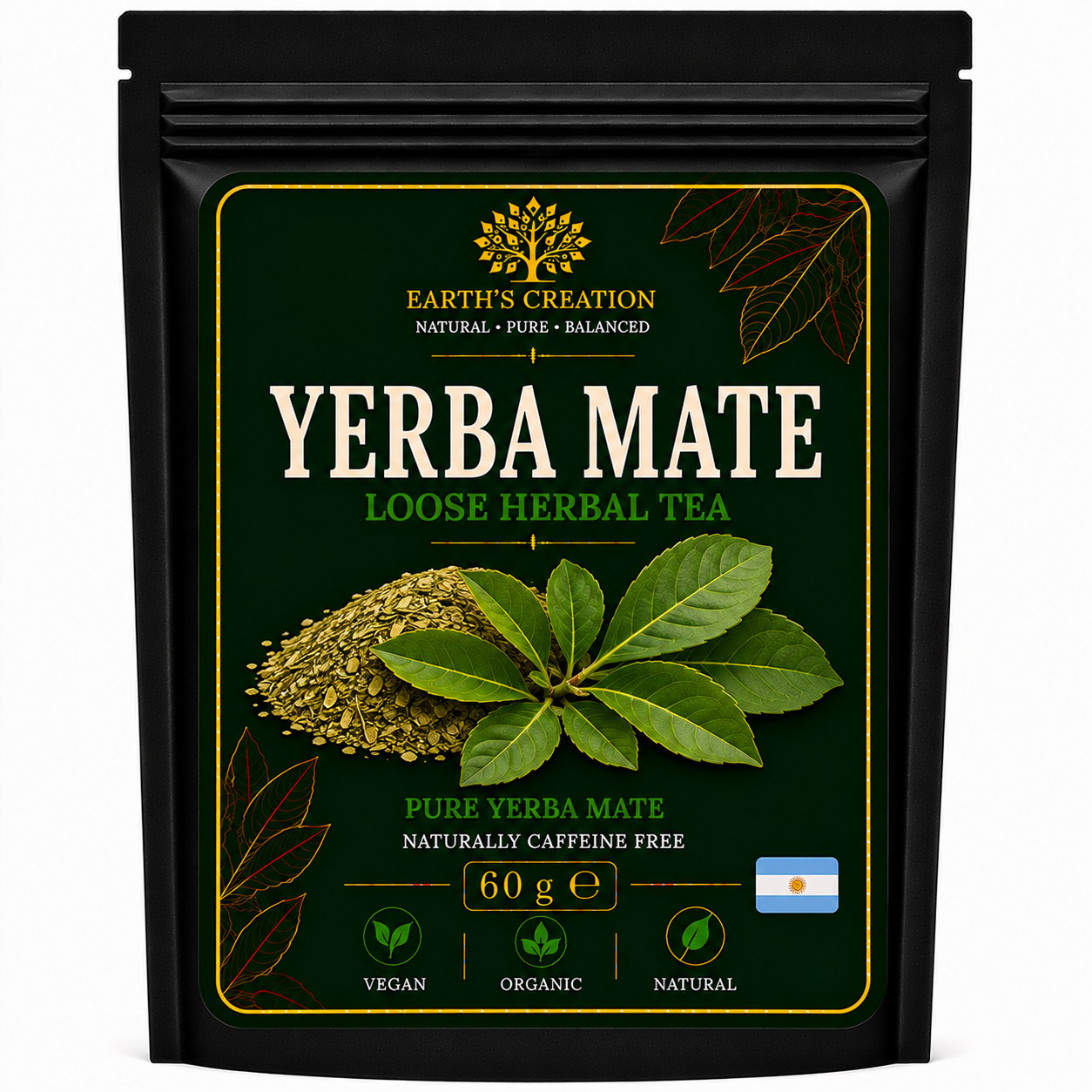
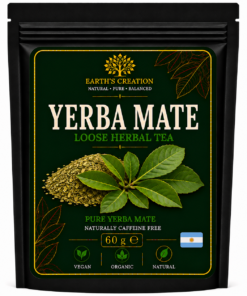
Yerba Mate – Powerful Traditional South American Herb
Yerba Mate is a traditional South American botanical prepared from the dried leaves and stems of Ilex paraguariensis. Known for its distinctive flavour and natural caffeine content, mate has been enjoyed for generations and remains deeply connected with the cultures of Argentina, Paraguay, Uruguay and southern Brazil.
Unlike many caffeine-free herbs found in traditional botanical collections, mate naturally contains caffeine. This gives the prepared beverage its characteristic stimulating quality and makes it an interesting botanical alternative to conventional tea and coffee.
Traditionally, the dried leaves are prepared in a hollow vessel commonly called a mate and consumed through a filtered drinking straw known as a bombilla. This preparation method has become one of the most recognisable aspects of mate culture.
For customers interested in South American botanicals, traditional caffeinated beverages and distinctive loose herbal ingredients, mate offers a fascinating combination of flavour, history and cultural heritage.
What Is Yerba Mate?
Yerba Mate comes from Ilex paraguariensis, an evergreen tree belonging to the Aquifoliaceae family.
Interestingly, this botanical family also contains hollies, making the mate plant a relative of familiar ornamental holly species.
The tree is native to subtropical regions of South America. Its leaves and young stems are harvested, processed and dried to produce the botanical material traditionally used to make the beverage.
Processing methods can vary, influencing the appearance, aroma and flavour of the finished product.
Using the scientific name Ilex paraguariensis on your WooCommerce listing gives customers a precise botanical reference.
A Traditional South American Beverage
Mate has an extraordinary cultural importance throughout parts of South America.
In countries including Argentina, Uruguay, Paraguay and Brazil, preparing and sharing the beverage can be an everyday social tradition.
The drink is often consumed communally, with the vessel being refilled with hot water and shared.
This means Yerba Mate represents much more than simply another dried botanical ingredient. It forms part of a living cultural tradition that has continued across generations.
The beverage also has deep historical connections with Indigenous peoples of South America, particularly the Guaraní.
Traditional Yerba Mate Preparation
Traditional preparation differs noticeably from brewing an ordinary tea bag.
Dried mate is placed inside a drinking vessel, traditionally made from a gourd, although modern vessels may be manufactured from wood, metal, ceramic or other materials.
A bombilla is inserted into the botanical material. This specialised straw contains a filtered end that helps prevent larger pieces of leaf from being drawn into the mouth.
Hot water is then added, and the same botanical material may traditionally be infused repeatedly.
Preparation customs differ by region and individual preference.
Yerba Mate Naturally Contains Caffeine
One important characteristic of Yerba Mate is its natural caffeine content.
This makes it different from caffeine-free botanicals such as chamomile, lavender and many traditional bush teas.
The actual amount of caffeine in a prepared serving can vary considerably depending on the quantity of botanical material used, processing, water temperature, steeping method and number of infusions.
Customers who are sensitive to caffeine should therefore take this into consideration.
It should not be promoted as caffeine-free.
Yerba Mate, Coffee and Traditional Tea
Mate is sometimes compared with both coffee and conventional tea because all three beverages can naturally contain caffeine.
However, they come from completely different plants.
Coffee comes primarily from Coffea species, while conventional black, green, white and oolong teas originate from Camellia sinensis.
Mate comes from Ilex paraguariensis.
These botanical differences contribute to their distinct flavours, preparation traditions and cultural histories.
For customers wanting to explore caffeinated botanicals beyond coffee and conventional tea, mate provides a particularly interesting option.
Naturally Occurring Botanical Compounds
Mate leaves contain numerous naturally occurring plant constituents.
In addition to caffeine, the botanical contains polyphenols and other naturally occurring compounds that have attracted scientific interest.
The composition of the finished drink can vary according to plant material, processing and preparation.
While research into mate continues, the presence of naturally occurring compounds should not be converted into promises that the beverage will prevent disease, guarantee weight loss or provide specific medical outcomes.
Its genuine botanical and cultural qualities provide plenty to discuss without exaggerated health claims.
Flavour and Character
The flavour of mate can be described as distinctive, herbal and naturally bitter, with variations depending on the particular product and processing method.
Some people immediately enjoy its bold botanical character, while others develop an appreciation for it over time.
The flavour can also change through repeated infusions.
This complexity is part of what makes traditional mate drinking so interesting and distinguishes it from many milder herbal teas.
Ilex paraguariensis – Botanical Identity
The scientific name Ilex paraguariensis provides the clearest identification of genuine mate.
Because common names can vary between regions and languages, displaying the botanical name gives customers confidence about which plant they are purchasing.
It also helps distinguish mate from other species belonging to the Ilex genus.
Accurate botanical identification is especially valuable for customers researching traditional herbs independently.
Hot and Cold Preparations
While many people associate mate with a hot beverage, South American traditions also include cold preparations.
In Paraguay, a cold version known as tereré has particular cultural significance.
Cold water and sometimes additional aromatic ingredients may be used according to local or personal traditions.
This demonstrates the versatility of the botanical and the diversity of cultural practices surrounding it.
Why Choose Yerba Mate?
This distinctive botanical may appeal to customers interested in:
- Traditional South American tea
- Naturally caffeinated botanicals
- Ilex paraguariensis
- Loose herbal beverages
- Argentine herbal traditions
- Paraguayan botanical traditions
- Brazilian botanicals
- Traditional mate culture
- Bold herbal flavours
- South American botanicals
Its combination of natural caffeine and rich cultural history distinguishes it from many ordinary herbal infusions.
Explore More Traditional Botanicals
A broad herbal collection can introduce customers to beverages originating from dramatically different regions and cultural traditions.
Mate provides a traditional South American option alongside European, Asian, African and Caribbean botanicals.
Explore our Guava Leaf for another traditional botanical originating from tropical regions of the Americas.
This gives customers a relevant internal route to another product in your dried botanical collection.
Responsible Use of Yerba Mate
Yerba Mate should be prepared and consumed according to the directions supplied with the specific product.
Because it naturally contains caffeine, people who are sensitive to stimulants should monitor their intake.
Pregnant or breastfeeding customers, people taking medication and anyone managing a health condition should seek appropriate professional advice regarding caffeine intake where necessary.
Very hot beverages should also be allowed to cool to a comfortable drinking temperature. Regular consumption of beverages at very high temperatures is something customers should avoid.
Mate should not be marketed as a guaranteed weight-loss treatment, energy cure or replacement for necessary medical care.
Discover Traditional Yerba Mate
With its distinctive flavour, natural caffeine content and generations of South American cultural heritage, Yerba Mateoffers an experience quite different from ordinary herbal tea.
Its botanical identity as Ilex paraguariensis, traditional gourd-and-bombilla preparation and continuing importance across South America give the beverage a remarkable cultural story.
Whether you’re exploring naturally caffeinated botanicals, discovering South American traditions or expanding a loose-tea collection, mate provides a distinctive combination of flavour, botanical character and cultural heritage.
Explore our Guava Leaf for another traditional botanical originating from tropical regions of the Americas.
Learn more about the botanical classification of Ilex paraguariensis through the Royal Botanic Gardens, Kew Plants of the World Online database.
Only logged in customers who have purchased this product may leave a review.
Related products




Alkaline Herb Formulas
Lung Support Herbal Capsules, Natural Respiratory & Lung Health Support

Alkaline Herb Formulas
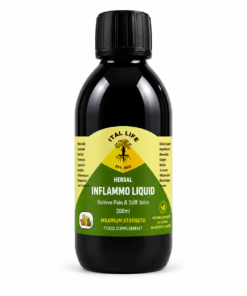
Inflammo Liquid Herbal Tonic | Joint, Inflammation & Mobility Support | Plant-Based Herbal Formula



Alkaline Herb Formulas
VEGE-INSULIN Herbal Capsules | Natural Blood Sugar & Pancreas Support.


Alkaline Herb Formulas
Clear Sight Herbal Capsules | Natural Eye Health & Vision Support.


Alkaline Herb Formulas
BRAIN FOOD Herbal Capsules | Natural Memory, Focus & Cognitive Support
Reviews
There are no reviews yet.