

 ITAL LIFE
 EARTH’S CREATION
 NACHER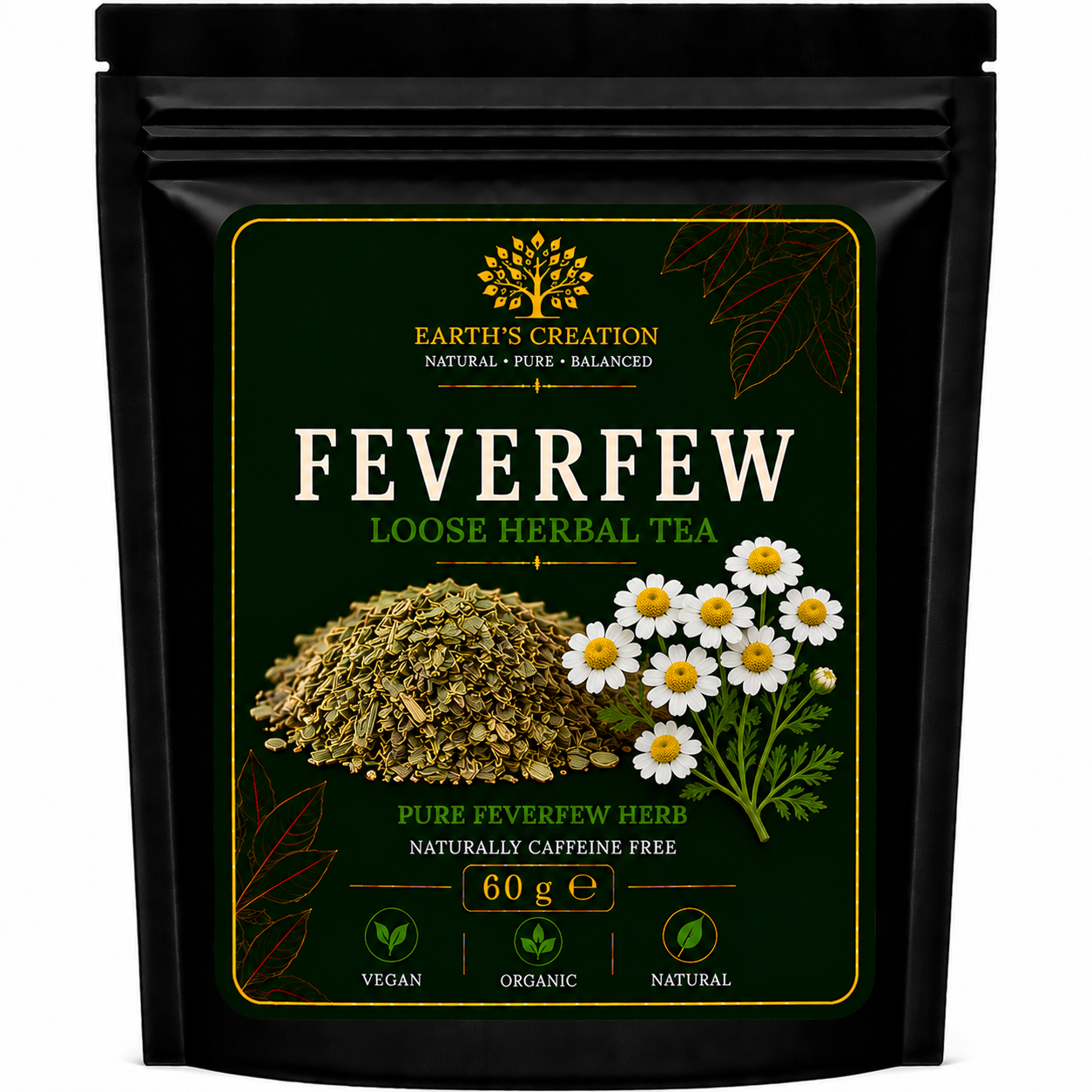
Feverfew Herb – Powerful Traditional Botanical
Feverfew Herb is a traditional botanical obtained from Tanacetum parthenium, an aromatic flowering plant belonging to the Asteraceae, or daisy, family. Recognised by its small daisy-like flowers and strongly scented foliage, feverfew has been known within European herbal traditions for generations.
The plant produces clusters of attractive white flowers with yellow centres and finely divided green leaves. Once the aerial portions are appropriately harvested and dried, they provide a distinctive botanical material with a characteristic aroma and naturally bitter taste.
Although feverfew is now grown in many regions, its long association with traditional European herbal practices has helped make it one of the better-known historical herbs.
For customers exploring dried botanicals, traditional European plants and individual herbal ingredients, feverfew provides an interesting addition to a varied collection.
What Is Feverfew Herb?
Feverfew Herb comes from Tanacetum parthenium, a perennial plant closely related to several other members of the daisy family.
The aerial portions of the plant, particularly the leaves, have traditionally been associated with herbal preparations.
The living plant resembles a small bushy daisy and is sometimes grown ornamentally because of its attractive flowers.
Its botanical family also contains familiar plants such as chamomile, dandelion, calendula and echinacea.
Using the scientific name Tanacetum parthenium on the product listing provides customers with a precise botanical reference and helps distinguish feverfew from other daisy-like plants.
Traditional Uses of Feverfew Herb
Feverfew has a long and interesting history within European folk-herbal practices.
Historically, the plant became particularly associated with preparations for head discomfort and fever, and its common English name reflects part of that traditional reputation.
In modern herbal culture, feverfew is probably best known for its historical association with migraine.
However, this traditional background needs to be described carefully.
An ordinary packet of dried herb should not be advertised as curing migraines, eliminating headaches or replacing migraine medication.
Modern research has investigated particular feverfew preparations, but findings involving standardised extracts or formulated products should not automatically be applied to every loose dried-herb product.
Tanacetum parthenium – Botanical Identity
The accepted botanical name commonly associated with feverfew is Tanacetum parthenium.
The plant belongs to the Asteraceae family and produces small flowers that can resemble miniature daisies.
Its scientific classification is useful because common plant names can sometimes create confusion between unrelated or visually similar species.
Displaying both Feverfew Herb and Tanacetum parthenium on your WooCommerce product page gives customers a clearer understanding of exactly which botanical they are purchasing.
A Distinctive Aromatic Herb
Feverfew has a noticeably aromatic character.
The dried aerial portions can include pieces of leaves, stems and flowers depending on how the botanical has been harvested and processed.
Natural variations in colour, particle size and appearance are normal with minimally processed herbs.
Its naturally bitter character also distinguishes feverfew from sweeter botanicals such as fennel or floral herbs such as chamomile.
For customers building a collection of traditional herbs, these differences in aroma, flavour and appearance form an important part of exploring individual botanical ingredients.
Naturally Occurring Plant Constituents
Feverfew naturally contains a variety of botanical compounds.
One of the best-known constituents associated with the plant is parthenolide, a naturally occurring sesquiterpene lactone that has attracted scientific interest.
The amount of individual constituents can vary according to the plant material, growing conditions, harvesting, processing and particular preparation.
This is one reason why research conducted using a specific standardised feverfew preparation should not automatically be used to make claims about ordinary dried material.
Botanical products can differ considerably even when they originate from the same plant species.
Feverfew and Modern Herbal Interest
Research into feverfew has particularly focused on its historical association with migraine prevention.
This scientific interest helps explain why the plant remains widely recognised today.
However, migraine is a neurological condition that can require appropriate diagnosis and treatment.
Customers experiencing new, severe, persistent or unusual headaches should obtain medical advice rather than relying solely on traditional botanical products.
This distinction allows the fascinating herbal history of feverfew to be discussed without suggesting that the dried plant is a guaranteed treatment.
Feverfew and the Daisy Family
Feverfew belongs to the same large botanical family as several herbs already familiar to many customers.
Chamomile, echinacea, calendula, dandelion and burdock are all members of the broad Asteraceae family.
Despite this botanical relationship, these plants have different chemical compositions, appearances and traditional histories.
They should therefore not be treated as interchangeable simply because they belong to the same family.
This is another reason scientific botanical names provide useful information alongside common product names.
Why Choose Feverfew?
This traditional botanical may appeal to customers interested in:
- Traditional European herbs
- Tanacetum parthenium
- Aromatic dried botanicals
- Historical herbal traditions
- Members of the daisy family
- Individual dried herbs
- European botanical heritage
- Traditional herbal collections
Its long history and distinctive botanical characteristics make it an interesting addition to a broad selection of herbs.
Explore More Traditional Botanicals
A varied botanical collection can contain plants from many different geographical regions and herbal traditions.
Feverfew provides a traditional European flowering herb alongside roots, bark, seeds and other dried plant materials.
Explore our Chamomile Flower for another traditional member of the daisy family with a long history of herbal use.
This gives customers a natural route to another relevant botanical without forcing an unrelated internal product link.
Responsible Use of Feverfew Herb
Feverfew Herb should be used according to the preparation and serving directions supplied with the particular product.
People allergic to plants belonging to the Asteraceae family, including ragweed, chrysanthemums and related plants, should exercise appropriate caution.
Pregnant people should avoid using feverfew unless specifically advised otherwise by an appropriately qualified healthcare professional.
Anyone who is breastfeeding, taking medication or managing an existing medical condition should also obtain professional advice where appropriate.
Particular caution may be necessary for people taking medicines that affect blood clotting.
People who have used feverfew regularly should seek professional advice before suddenly changing their use, particularly when it forms part of an established herbal or medical regimen.
Herbal products should not replace prescribed medicines or necessary medical treatment.
Discover Traditional Feverfew
With its delicate daisy-like flowers, distinctive aroma and generations of European herbal history, Feverfew Herbremains a fascinating traditional botanical.
Its enduring reputation demonstrates how plants used historically can continue attracting both herbal and scientific interest centuries later.
Whether you’re exploring European botanical traditions or expanding a collection of individual dried herbs, feverfew provides an interesting combination of botanical identity, traditional heritage and distinctive natural character.
Explore our Chamomile Flower for another traditional member of the daisy family with a long history of herbal use..
Learn more about the botanical classification of Tanacetum parthenium through the Royal Botanic Gardens, Kew Plants of the World Online database.
Only logged in customers who have purchased this product may leave a review.
Related products



Alkaline Herb Formulas
Kidney Support Herbal Capsules | Natural Kidney & Urinary Tract Support.


Alkaline Herb Formulas
Clear Sight Herbal Capsules | Natural Eye Health & Vision Support.



Alkaline Herb Formulas
Lung Support Herbal Capsules, Natural Respiratory & Lung Health Support

Alkaline Herb Formulas
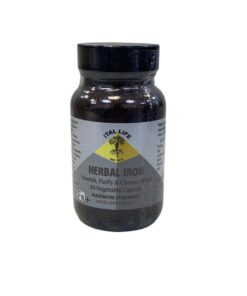
Herbal Iron Compound Capsules, Natural Iron & Blood Support.

Alkaline Herb Formulas
Multi-Mineral Herbal Capsules | Natural Mineral & Trace Element Support, and Wellness Formula


Alkaline Herb Formulas
Colon Cleanser Compound Herbal Capsules | Gut Cleanse & Bowel Wellness Formula
Reviews
There are no reviews yet.