

 ITAL LIFE
 EARTH’S CREATION
 NACHER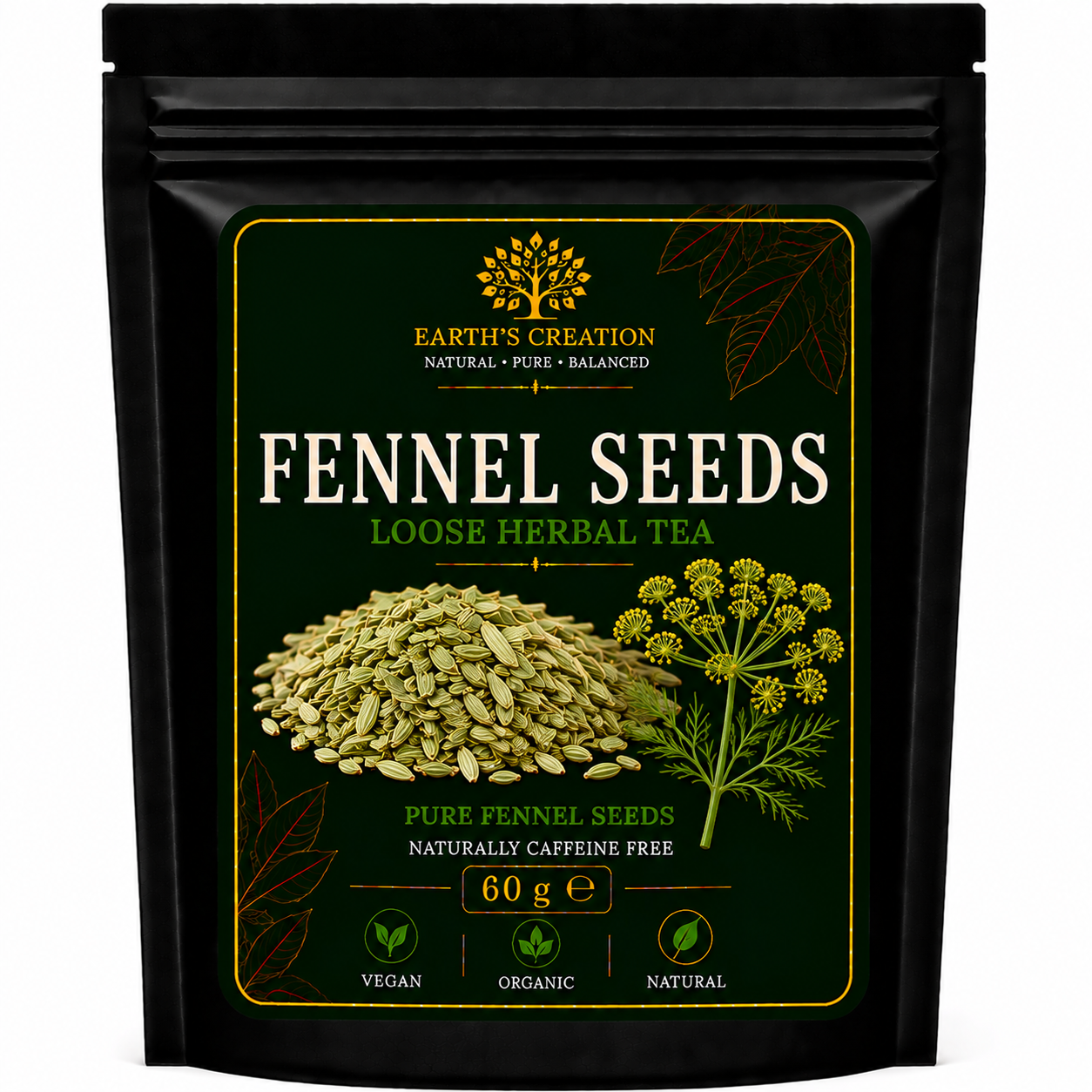
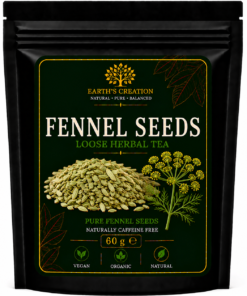
Fennel Seed – Powerful Traditional Botanical
Fennel Seed is an aromatic botanical obtained from Foeniculum vulgare, a flowering plant with a long history in Mediterranean food and herbal traditions. Recognised for its warm, sweet and slightly anise-like character, fennel has become a familiar ingredient in kitchens and botanical collections around the world.
The small dried fruits commonly called seeds have a distinctive elongated shape and naturally fragrant aroma. They are widely used as a culinary spice and have also been incorporated into traditional herbal infusions for generations.
Unlike many bitter roots and woody barks, fennel offers a naturally aromatic character that makes it particularly versatile. It can be used individually or combined with complementary ingredients in suitable tea and culinary blends.
What Is Fennel Seed?
Fennel Seed comes from Foeniculum vulgare, a member of the Apiaceae family. This botanical family also contains familiar plants such as parsley, carrot, celery, coriander and dill.
Although commonly described as seeds, the dried pieces sold as fennel seeds are botanically the plant’s dried fruits.
The fennel plant produces fine, feathery foliage and clusters of small yellow flowers. Following flowering, the characteristic fruits develop and can be harvested and dried.
Their strong aroma is one of the easiest ways to recognise fennel.
Traditional Uses of Fennel Seed
Fennel has been valued for centuries throughout Mediterranean, European, Middle Eastern and Asian traditions.
Its aromatic fruits have traditionally been incorporated into both food and herbal preparations. Fennel is particularly associated with after-meal teas and traditional digestive preparations.
This historical use has contributed greatly to the herb’s continuing popularity.
However, traditional botanical use should not be turned into promises that an ordinary dried product can diagnose, prevent, treat or cure digestive disorders or another medical condition.
Its culinary versatility, characteristic flavour and extensive botanical history provide plenty of reasons to appreciate fennel without exaggerated health claims.
Fennel Seed Herbal Tea
One popular way to enjoy the aromatic character of fennel is in an herbal infusion.
The seeds can release their distinctive fragrance and flavour when prepared in hot water according to the directions provided with the product.
Some people prefer to lightly crush whole seeds immediately before preparation to expose more of the aromatic interior.
The naturally sweet character also makes fennel useful in appropriate herbal blends, particularly alongside other aromatic ingredients.
Always follow the serving and preparation directions supplied with the specific product.
A Distinctive Mediterranean Botanical
Fennel has particularly strong associations with the Mediterranean region.
The plant thrives in warm environments and has become naturalised in numerous parts of the world.
Its tall stems, fine leaves and umbrella-like clusters of yellow flowers give the living plant a very different appearance from the dried seeds customers encounter in herbal and spice collections.
The combination of culinary and traditional botanical use has helped fennel travel far beyond its original geographical range.
Today, it is recognised internationally as both a spice and traditional herbal ingredient.
Foeniculum vulgare – Botanical Identity
The botanical name for common fennel is Foeniculum vulgare.
Using the scientific name alongside the common product name gives customers a precise botanical reference and helps distinguish fennel from other plants with similar flavours.
Fennel is sometimes compared with anise because both can have a sweet, liquorice-like character. However, fennel and anise are different plants.
Star anise is different again, originating from an entirely separate botanical family.
These distinctions demonstrate why scientific plant names can be particularly useful when identifying aromatic herbs and spices.
Naturally Aromatic Plant Compounds
The characteristic fragrance of fennel comes from naturally occurring volatile compounds within the plant.
One of the best-known aromatic constituents associated with fennel is anethole, which contributes to its familiar sweet, anise-like character.
The natural composition can vary depending on factors such as plant variety, growing conditions and processing.
It is also important to distinguish ordinary whole dried seeds from concentrated fennel essential oil.
Essential oils are highly concentrated products and should not be treated as interchangeable with the whole botanical ingredient.
Culinary Uses of Fennel
One reason Fennel Seed is so versatile is its extensive culinary history.
The seeds are used in numerous cuisines and may appear in breads, spice mixtures, savoury dishes, sauces and other recipes.
Their distinctive flavour can complement both sweet and savoury ingredients.
Toasting or gently crushing the seeds can also alter the way their aroma is experienced in cooking.
This culinary heritage distinguishes fennel from many botanicals that are used almost exclusively within herbal traditions.
Why Choose Fennel Seed?
This aromatic botanical may appeal to customers interested in:
- Traditional herbal teas
- Mediterranean botanicals
- Aromatic whole seeds
- Culinary herbs and spices
- Foeniculum vulgare
- Herbal tea ingredients
- Traditional botanical preparations
- Naturally fragrant herbs
- Individual dried botanicals
Its versatility makes it particularly useful for customers interested in both herbal and culinary ingredients.
Explore More Traditional Herbs
A varied herbal collection can contain aromatic seeds alongside flowers, leaves, bark and roots.
Fennel provides a sweet and fragrant botanical ingredient with centuries of culinary and herbal history.
Explore our Chamomile Flower for another aromatic traditional botanical ideal for creating distinctive herbal infusions.
Combining appropriate individual herbs also gives customers greater flexibility when developing their own botanical blends.
Responsible Use of Fennel Seed
Fennel Seed should be used according to the preparation and serving directions supplied with the particular product.
People with known allergies to fennel or related members of the Apiaceae family should exercise appropriate caution.
Anyone who is pregnant or breastfeeding, taking medication, managing an existing medical condition or planning to use concentrated herbal preparations should seek appropriate professional advice where necessary.
Whole fennel seeds should also not be confused with concentrated fennel essential oil, which requires different safety considerations.
Herbal products should not replace prescribed medicines or necessary medical treatment.
Discover Traditional Fennel
With its sweet aroma, Mediterranean heritage and centuries of culinary and botanical use, Fennel Seed remains one of the most versatile traditional plant ingredients.
Whether you’re preparing an aromatic herbal infusion, exploring traditional Mediterranean botanicals or expanding a collection of whole herbs and spices, fennel provides a distinctive combination of fragrance, flavour and botanical heritage.
Explore our Chamomile Flower for another aromatic traditional botanical ideal for creating distinctive herbal infusions.
Highlight Chamomile Flower and link directly to your Chamomile Flower product page.
Learn more about the botanical classification of Foeniculum vulgare through the Royal Botanic Gardens, Kew Plants of the World Online database.
Only logged in customers who have purchased this product may leave a review.
Related products

Alkaline Herb Formulas

Alkaline Herb Formulas
Lung Support Herbal Capsules, Natural Respiratory & Lung Health Support

Alkaline Herb Formulas
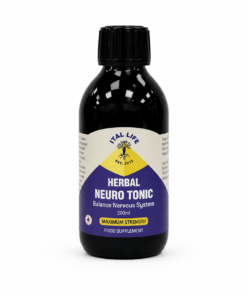
Neuro Tonic Herbal Supplement | Natural Nervous System Support,

Alkaline Herb Formulas
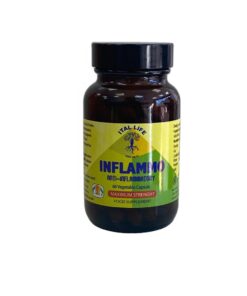
Inflammo Herbal Capsules | Natural Joint & Inflammation Support Wellness Formula
Reviews
There are no reviews yet.