

 ITAL LIFE
 EARTH’S CREATION
 NACHER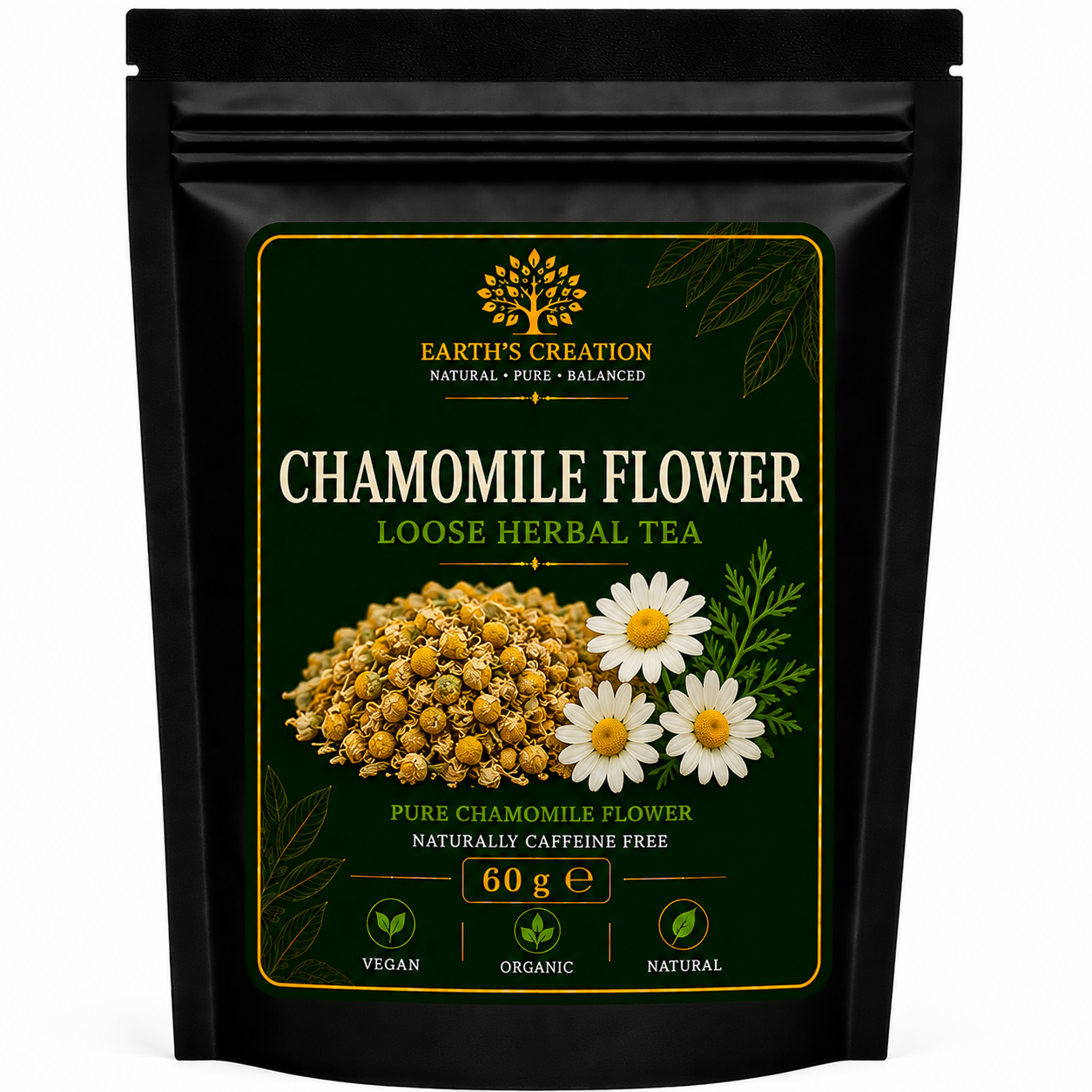
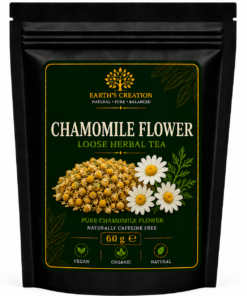
Chamomile Flower – Traditional Aromatic Herbal Tea
Chamomile Flower is one of the world’s best-known traditional herbal tea ingredients, valued for its delicate floral aroma, distinctive golden colour and long history of use in botanical preparations. Dried chamomile flowers make a wonderfully simple addition to a home herbal collection and can be enjoyed alone or incorporated into carefully selected herbal tea blends.
Chamomile belongs to the daisy family, Asteraceae. Several plants are known as chamomile, with German chamomile (Matricaria chamomilla) and Roman chamomile (Chamaemelum nobile) among the most familiar.
Because different species may be sold under the common name chamomile, always use the botanical name provided by your supplier on the final product specification.
What Is Chamomile Flower?
Chamomile Flower consists of the dried flowering portions of the chamomile plant. The small flowers have characteristic yellow centres surrounded by pale petals and develop a pleasant, recognisable fragrance when dried.
Chamomile has been used across Europe and other regions for generations and remains particularly popular as an ingredient in caffeine-free herbal infusions.
The flowers can be used individually or combined with complementary botanicals to produce more complex herbal blends.
Its mild floral character has helped make chamomile a familiar ingredient even among people who do not regularly use traditional herbs.
Traditional Uses of Chamomile Flower
Chamomile has a remarkably long history within traditional European herbal practices.
It has traditionally been prepared as a warm infusion, particularly as part of quiet evening routines and periods of relaxation. Chamomile preparations have also historically been associated with digestive comfort and general wellbeing.
These traditional associations are part of chamomile’s botanical heritage rather than a guarantee that the product will prevent, treat or cure a medical condition.
For a retail herbal product, describing these established traditional uses provides useful information while avoiding unnecessary medicinal claims.
Chamomile Flower Tea
One of the most familiar ways to enjoy dried chamomile is as a simple herbal tea.
The flowers produce a fragrant infusion with a gentle floral character. Unlike traditional black or green tea, pure chamomile is naturally caffeine-free, making it particularly popular for evening herbal drinks.
Preparation strength can be adjusted according to individual preference and the instructions supplied with the product.
Chamomile can also complement other aromatic herbs in herbal tea blends. Its floral character works particularly well when combined thoughtfully with other mild botanicals.
A Naturally Aromatic Botanical
One reason Chamomile Flower has remained popular for generations is its distinctive aroma.
The dried flowers contain naturally occurring aromatic botanical compounds that contribute to chamomile’s characteristic fragrance and flavour.
Chamomile has also attracted scientific interest, and researchers have identified numerous naturally occurring constituents within different chamomile species.
However, findings involving concentrated extracts or isolated compounds should not automatically be applied to an ordinary dried-flower tea product.
Whole dried chamomile is best presented for what it is: a traditional aromatic botanical with an extensive history of herbal use.
German and Roman Chamomile
The word “chamomile” can describe more than one botanical species.
German chamomile is generally identified as Matricaria chamomilla, while Roman chamomile is known as Chamaemelum nobile.
Although they share a common name and some traditional applications, they are separate plants.
If your supplier identifies your Chamomile Flower as German chamomile, use Matricaria chamomilla on the product information. If it is Roman chamomile, use Chamaemelum nobile instead.
Accurate botanical identification gives customers better information and prevents different chamomile products from being confused.
Why Choose Dried Chamomile Flower?
Chamomile is particularly suitable for customers exploring traditional botanical ingredients because of its versatility.
Dried flowers can provide:
- A traditional herbal tea ingredient
- A naturally caffeine-free botanical infusion
- A delicate floral aroma
- A versatile ingredient for herbal blends
- A well-established European botanical tradition
- An attractive whole-flower addition to herbal collections
- A simple alternative to conventional caffeinated teas
The combination of familiarity and traditional heritage makes chamomile an excellent starting point for customers discovering loose herbal teas.
Adding Chamomile to Your Herbal Collection
A varied herbal collection can contain leaves, flowers, roots, bark and other botanical ingredients.
Chamomile provides the delicate floral element within such a collection and pairs naturally with other aromatic herbs.
Customers who enjoy Chamomile Flower may also wish to explore other traditional herbal tea ingredients such as Catnip Herb, which has its own long history as an aromatic botanical infusion.
Using a variety of individual herbs also allows customers to discover the different flavours, aromas and traditions associated with botanical teas.
Responsible Herbal Use
Always follow the preparation and usage information supplied with your particular chamomile product.
People with known allergies to plants within the Asteraceae or daisy family should exercise appropriate caution with chamomile.
Anyone who is pregnant or breastfeeding, taking medication, managing an existing medical condition or uncertain whether an herbal product is suitable should seek appropriate professional advice before use.
Herbal products should not be used as substitutes for prescribed medicines or necessary medical treatment.
Discover Chamomile Flower
With its delicate fragrance, attractive flowers and generations of traditional use, Chamomile Flower remains one of the most recognisable ingredients in the world of herbal tea.
Whether enjoyed as a simple infusion or incorporated into an herbal blend, dried chamomile provides an accessible way to explore traditional botanical teas and their fascinating history.
Explore Catnip Herb for another traditional aromatic botanical suitable for herbal tea blends.
Learn more about chamomile botanical classification through the Royal Botanic Gardens, Kew Plants of the World Online database.
Only logged in customers who have purchased this product may leave a review.
Related products


Support Packs


Alkaline Herb Formulas


Alkaline Herb Formulas
BRAIN FOOD Herbal Capsules | Natural Memory, Focus & Cognitive Support

Alkaline Herb Formulas
Clear Sight Herbal Capsules | Natural Eye Health & Vision Support.

Alkaline Herb Formulas
Liver Support Herbal Capsules | Natural Liver, Bile & Digestive Support | Plant-Based Herbal Formula
Reviews
There are no reviews yet.