

 ITAL LIFE
 EARTH’S CREATION
 NACHER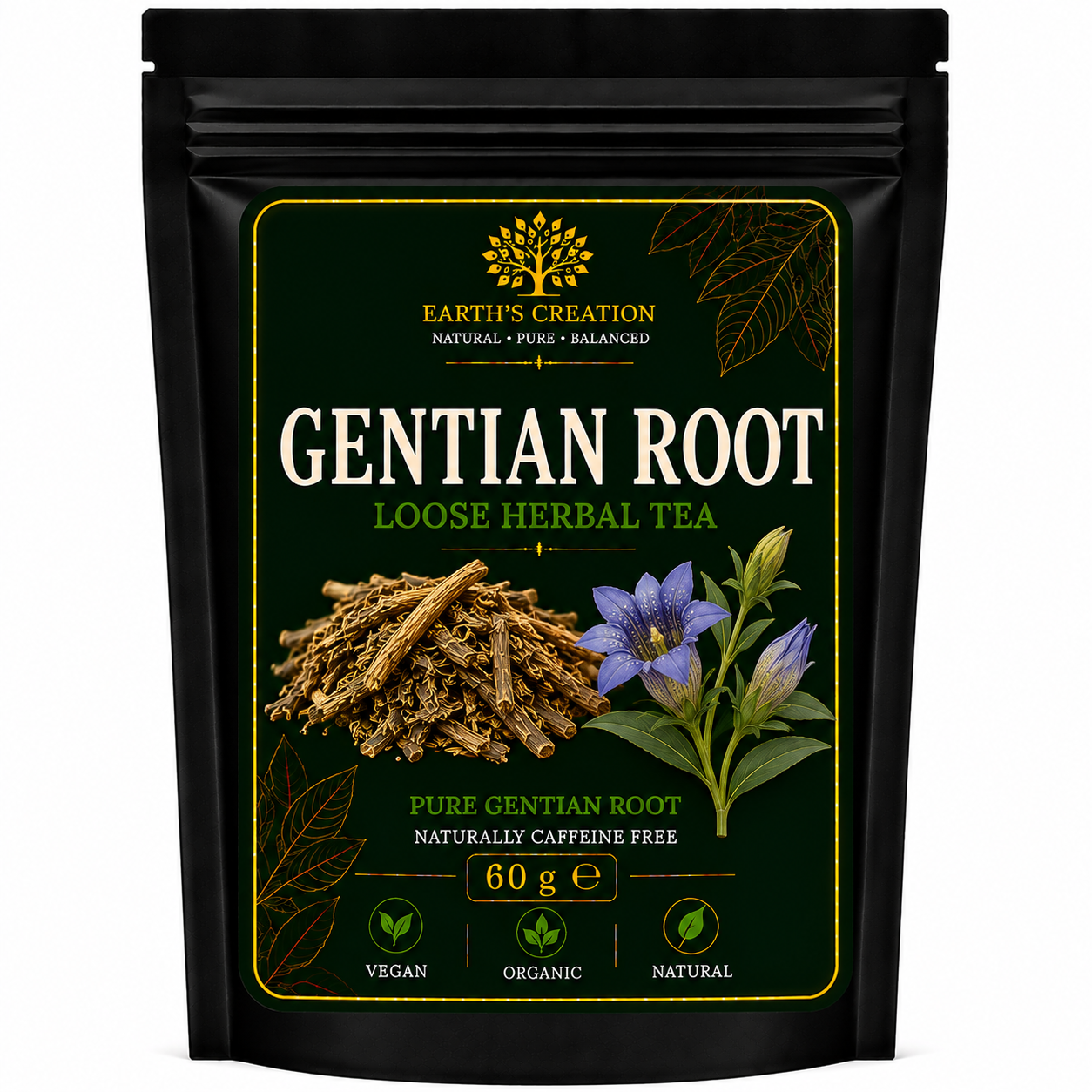
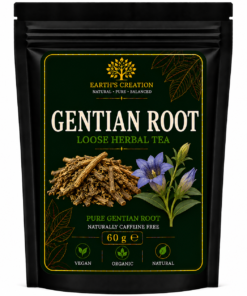
Gentian Root – Powerful Traditional Bitter Herb
Gentian Root is a distinctive traditional botanical best known for its intensely bitter character and long history in European herbal practice. It is commonly obtained from Gentiana lutea, also known as yellow gentian, a perennial flowering plant native to mountainous regions of Europe.
The plant produces striking yellow flowers and develops a substantial underground root system. Once appropriately harvested and dried, the root becomes a firm, aromatic botanical material with a characteristic bitterness that distinguishes it from many other traditional herbs.
For generations, gentian has been associated with bitter herbal preparations, particularly those traditionally enjoyed before or after meals. Today, the dried root remains popular among customers interested in European botanicals, bitter herbs and individual plant ingredients with a long cultural history.
What Is Gentian Root?
Gentian Root generally refers to the dried underground portions of Gentiana lutea, a member of the Gentianaceae family.
Yellow gentian is a long-lived herbaceous perennial that grows naturally in mountainous environments across parts of central and southern Europe.
The plant can take several years to develop before its root reaches a suitable size for traditional harvesting.
Its bright flowers make the living plant visually attractive, but it is the substantial root that became particularly important within European herbal traditions.
Botanical identification matters because the Gentiana genus contains many species. Your supplier documentation should therefore be checked to confirm that your product is specifically Gentiana lutea.
Traditional Uses of Gentian Root
Gentian has been valued as a bitter botanical for generations.
Traditional European herbal practices particularly associated the root with digestion and appetite. Bitter preparations containing gentian have historically been consumed around mealtimes and incorporated into various herbal formulations.
The plant’s extremely bitter taste is central to this traditional reputation.
However, historical use should not be interpreted as evidence that an ordinary dried botanical can diagnose, prevent, treat or cure digestive disease.
Persistent loss of appetite, abdominal pain or unexplained digestive symptoms should receive appropriate medical assessment.
Famous for Its Bitter Taste
One of the defining characteristics of Gentian Root is its remarkable bitterness.
The plant contains naturally occurring bitter constituents, including compounds known as secoiridoid glycosides. These contribute to the intense flavour associated with yellow gentian.
Only relatively small quantities of bitter botanical material may be noticeable within suitable preparations because of this naturally powerful taste.
The bitterness also explains why gentian developed such a strong historical association with European bitters and traditional digestive preparations.
For customers exploring botanical flavours, it provides a dramatic contrast to naturally sweet ingredients such as fennel or aromatic floral herbs.
Gentiana lutea – Botanical Identity
The scientific name most commonly associated with yellow gentian is Gentiana lutea.
The word lutea refers to the plant’s yellow colouring, reflecting its characteristic flowers.
Using the Latin name alongside the common product name gives customers a precise reference when researching the botanical.
This is particularly valuable because numerous species belong to the Gentiana genus, and information concerning one species should not automatically be applied to another.
If your supplier confirms Gentiana lutea, include that botanical name prominently within your product specifications.
A Traditional European Mountain Botanical
Gentian has a particularly strong connection with European mountain landscapes.
The plant occurs naturally across mountainous regions and has become associated with Alpine and central European botanical traditions.
Its habitat and slow-growing root make it noticeably different from rapidly growing leafy herbs.
Over generations, knowledge surrounding gentian spread beyond local mountain communities, and the root became incorporated into wider European herbal and beverage traditions.
This geographical heritage adds another dimension to the plant beyond its famous bitter flavour.
Gentian in Traditional Bitters
Gentian has historically been incorporated into various bitter preparations.
Its distinctive flavour means it has also found a place in certain traditional beverages and botanical formulations.
Bitters typically combine intensely flavoured plant ingredients to create complex aromatic profiles.
The use of gentian in these traditions demonstrates how the same botanical can have culinary, cultural and herbal significance without needing exaggerated medicinal claims.
Dried root, concentrated extracts and commercial bitter preparations are different products, however, and customers should not assume they can always be used interchangeably.
Preparing Dried Herbal Roots
Roots have a much firmer physical structure than delicate leaves and flowers.
Traditional preparations involving dried roots may therefore differ from simple loose-leaf infusions. Depending on the intended preparation, roots have historically been steeped for longer periods or gently simmered.
Customers should follow the directions provided with the particular product.
Cut root, powdered gentian, tinctures and concentrated extracts can differ substantially in preparation and strength.
Why Choose Gentian Root?
This distinctive botanical may appeal to customers interested in:
- Traditional European herbs
- Bitter botanicals
- Gentiana lutea
- Dried herbal roots
- Traditional botanical preparations
- European mountain herbs
- Individual dried botanicals
- Historical herbal ingredients
- Traditional bitters
Its powerful bitter character makes gentian noticeably different from many conventional dried herbs.
Explore More Traditional Roots
A diverse botanical collection can contain roots with dramatically different flavours, geographical origins and traditional histories.
Gentian provides an intensely bitter European ingredient alongside milder or earthier dried roots.
Explore our Dandelion Root for another traditional bitter botanical with a long history in European herbal practices.
This gives customers a relevant internal link while allowing them to explore another botanical traditionally associated with bitter preparations.
Responsible Use of Gentian Root
Gentian Root should be used according to the preparation and serving instructions supplied with the specific product.
People experiencing stomach or duodenal ulcers, persistent abdominal discomfort or unexplained digestive symptoms should obtain appropriate healthcare advice before using strongly bitter herbal preparations.
Anyone who is pregnant or breastfeeding, taking medication, managing an existing medical condition or uncertain whether gentian is suitable should also seek appropriate professional advice.
Herbal products should not replace prescribed medicines or necessary medical treatment.
Discover Traditional Gentian
With its striking yellow flowers, European mountain origins and unmistakably bitter root, Gentian Root has a botanical character unlike many familiar herbs.
Its generations of use in European herbal and bitter traditions have given Gentiana lutea an enduring reputation that continues to attract botanical enthusiasts today.
Whether you’re exploring traditional bitter herbs, collecting dried roots or discovering European mountain botanicals, gentian provides a fascinating combination of flavour, history and botanical heritage.
Explore our Dandelion Root for another traditional bitter botanical with a long history in European herbal practices.
Learn more about the botanical classification of Gentiana lutea through the Royal Botanic Gardens, Kew Plants of the World Online database.
Only logged in customers who have purchased this product may leave a review.
Related products

Alkaline Herb Formulas
BRAIN FOOD Herbal Capsules | Natural Memory, Focus & Cognitive Support

Alkaline Herb Formulas
Organ Cleanser Herbal Capsules | Natural Liver, Kidney & Digestive Support.
Alkaline Herb Formulas
Liver Support Herbal Capsules | Natural Liver, Bile & Digestive Support | Plant-Based Herbal Formula
Alkaline Herb Formulas
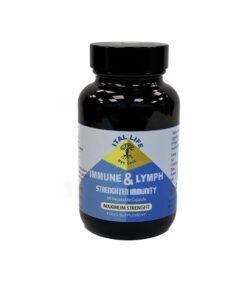
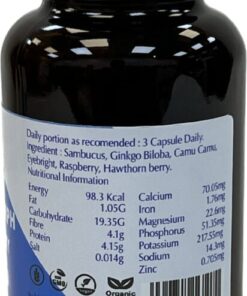
Immune & Lymph Herbal Capsules | Natural Lymphatic & Immune Support & Wellness Formula
Alkaline Herb Formulas
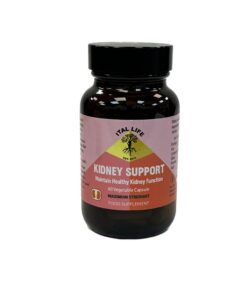
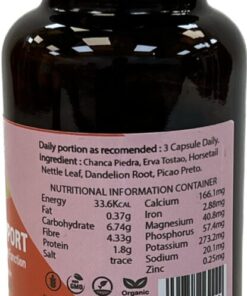
Kidney Support Herbal Capsules | Natural Kidney & Urinary Tract Support.

Alkaline Herb Formulas
Colon Cleanser Compound Herbal Capsules | Gut Cleanse & Bowel Wellness Formula
Reviews
There are no reviews yet.