

 ITAL LIFE
 EARTH’S CREATION
 NACHER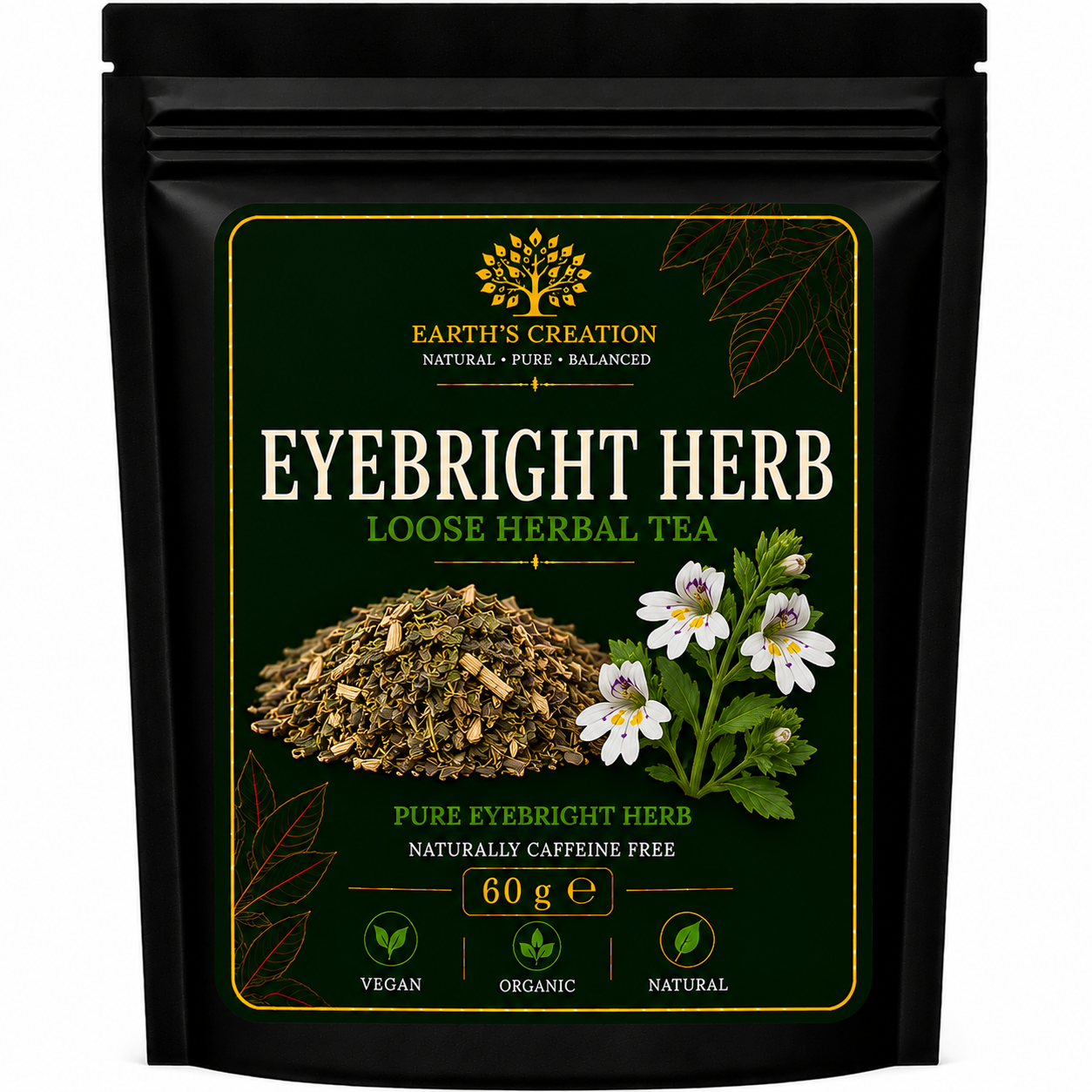
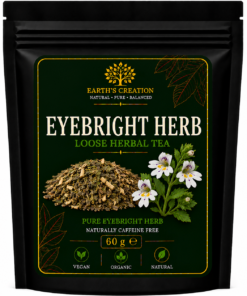
Eyebright Herb – Powerful Traditional Botanical
Eyebright Herb is a traditional European botanical belonging to the genus Euphrasia. This small flowering plant has a long history within European folk-herbal traditions and is recognised for its delicate flowers, leafy stems and fascinating botanical heritage.
Eyebright commonly grows in grasslands and meadows, where its roots interact with surrounding vegetation. Unlike many completely independent herbs, species of Euphrasia are hemiparasitic plants, meaning they can obtain some water and nutrients through connections with neighbouring plants while still carrying out photosynthesis themselves.
Once appropriately harvested and dried, the aerial portions provide a distinctive botanical ingredient for customers interested in traditional European herbs and historical plant practices.
What Is Eyebright Herb?
Eyebright Herb refers to plants belonging to the genus Euphrasia, which contains numerous closely related species.
Depending on the supplier and geographical origin, commercial eyebright may be identified using different botanical names. For this reason, the Latin name printed on your supplier documentation should be used on the final product specification.
The plant typically produces small leaves and attractive flowers that can show white, purple and yellow markings.
Its relatively delicate appearance contrasts with substantial botanical ingredients such as dried roots and woody bark.
Traditional Uses of Eyebright Herb
Eyebright has been known within European folk-herbal traditions for generations.
Its common name reflects its particularly strong historical association with traditional eye-related preparations. Historical herbal practices also incorporated the plant into preparations associated with seasonal and respiratory complaints.
These traditions explain the name and much of the herb’s continuing popularity.
However, historical use does not establish that an ordinary dried botanical can diagnose, prevent or treat eye disease.
Products intended for use in or around the eyes require particular caution because contamination or inappropriate preparations can cause serious problems.
For this reason, customers should not prepare homemade eye drops or eye washes from ordinary dried eyebright.
The Meaning Behind the Name Eyebright
Common plant names often reveal something about how earlier generations viewed particular botanicals.
Eyebright provides an especially clear example.
Its historical reputation in traditional preparations concerning the eyes became so strongly associated with the plant that this connection is preserved directly in its English name.
The botanical genus name, Euphrasia, also has an interesting history and is derived from terminology associated with gladness or good cheer.
These names contribute to the cultural story surrounding the plant without establishing medical effectiveness.
A Fascinating European Wild Plant
Species of Euphrasia occur naturally in grassland environments and can be surprisingly difficult to identify precisely.
Different species may resemble one another closely, and hybridisation can further complicate botanical identification.
This is another reason why supplier documentation is valuable when selling dried plant material commercially.
Customers purchasing Eyebright Herb receive a dried botanical product, so they cannot necessarily identify the original species simply by looking at the cut material.
A verified botanical specification provides much greater certainty.
Eyebright and Modern Herbal Interest
Traditional herbs frequently attract scientific interest because of their historical reputations.
Researchers may investigate plant constituents, extracts and specific preparations to understand their characteristics.
However, results obtained from laboratory experiments or concentrated extracts should not automatically be applied to ordinary dried herb.
Likewise, traditional accounts involving eye complaints should not be converted into claims that a retail herbal product can treat conjunctivitis, cataracts, glaucoma, impaired vision or another medical condition.
Persistent redness, pain, discharge, changes in vision or other concerning eye symptoms require appropriate professional assessment.
Dried Eyebright as a Botanical
The dried aerial portions of eyebright have a much softer structure than substantial roots or bark.
Natural botanical material can vary somewhat in colour, texture and particle size according to factors such as harvest, drying and processing.
These variations are normal with minimally processed dried herbs.
Customers interested in traditional botanicals may appreciate eyebright particularly for its European heritage and unusual relationship with surrounding plants.
Botanical Identity Matters
Because Euphrasia contains numerous species, we should avoid automatically assigning one Latin species to your product without checking the packet.
If your supplier provides a botanical name, add that exact name to the WooCommerce product specifications.
This improves the accuracy of the listing and also gives customers a reliable term to use when researching the plant.
It is better SEO and better botanical practice than guessing a species based solely on the common name.
Why Choose Eyebright?
This traditional botanical may appeal to customers interested in:
- Traditional European herbs
- Euphrasia botanicals
- Historical herbal traditions
- Dried aerial herbs
- European botanical heritage
- Individual dried botanicals
- Traditional herb collections
- Unusual wild plants
Its delicate appearance and fascinating botanical behaviour make it noticeably different from many familiar herbs.
Explore More Traditional Botanicals
A varied herbal collection can include leaves, flowers, roots, bark and aerial herbs originating from many different botanical traditions.
Eyebright introduces a distinctive European plant with generations of folk-herbal history.
Explore our Echinacea Herb for another traditional flowering botanical with a fascinating herbal heritage.
Keeping individual botanicals separately identified also makes it easier for customers to research their origins and traditional histories.
Responsible Use of Eyebright Herb
Eyebright Herb should always be used according to the directions supplied with the specific product.
Most importantly, ordinary loose dried herb should not be used to make homemade sterile eye preparations. Products placed directly into the eye require appropriate formulation and microbiological controls.
Anyone experiencing persistent eye irritation, pain, discharge, injury or changes in vision should seek appropriate medical or optometric care.
People who are pregnant or breastfeeding, taking medication, managing an existing health condition or uncertain whether a botanical product is suitable should obtain appropriate professional advice.
Traditional herbal products should not replace prescribed medicines or necessary medical treatment.
Discover Traditional Eyebright
With its delicate flowers, European origins and fascinating history within traditional herbal culture, Eyebright Herbmakes an interesting addition to a varied botanical collection.
Its unusual growth strategy and centuries-old common name provide an intriguing story beyond the historical herbal claims commonly associated with the plant.
Whether you’re exploring traditional European botanicals or expanding a collection of individual dried herbs, eyebright provides an opportunity to discover another distinctive plant with generations of botanical heritage.
Explore our Echinacea Herb for another traditional flowering botanical with a fascinating herbal heritage.
Learn more about the botanical classification of Euphrasia through the Royal Botanic Gardens, Kew Plants of the World Online database.
Only logged in customers who have purchased this product may leave a review.
Related products


Alkaline Herb Formulas
Clear Sight Herbal Capsules | Natural Eye Health & Vision Support.
Alkaline Herb Formulas
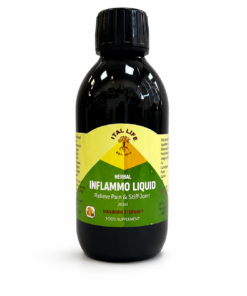
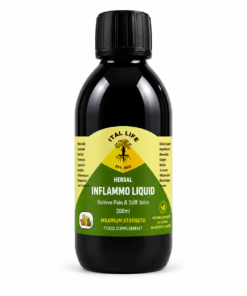
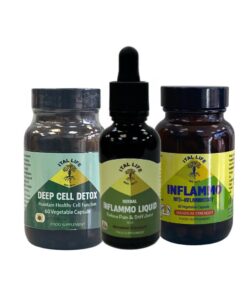
Inflammo Liquid Herbal Tonic | Joint, Inflammation & Mobility Support | Plant-Based Herbal Formula

Alkaline Herb Formulas
Alkaline Herb Formulas
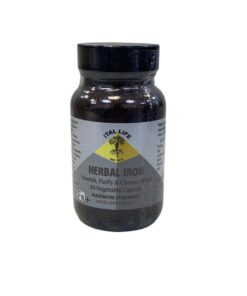
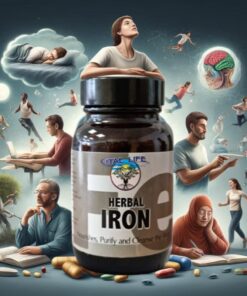
Herbal Iron Compound Capsules, Natural Iron & Blood Support.
Alkaline Herb Formulas
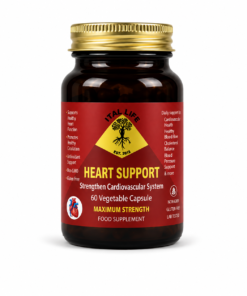
Heart Support Herbal Capsules | Natural Cardiovascular & Circulation Support
Reviews
There are no reviews yet.