

 ITAL LIFE
 EARTH’S CREATION
 NACHER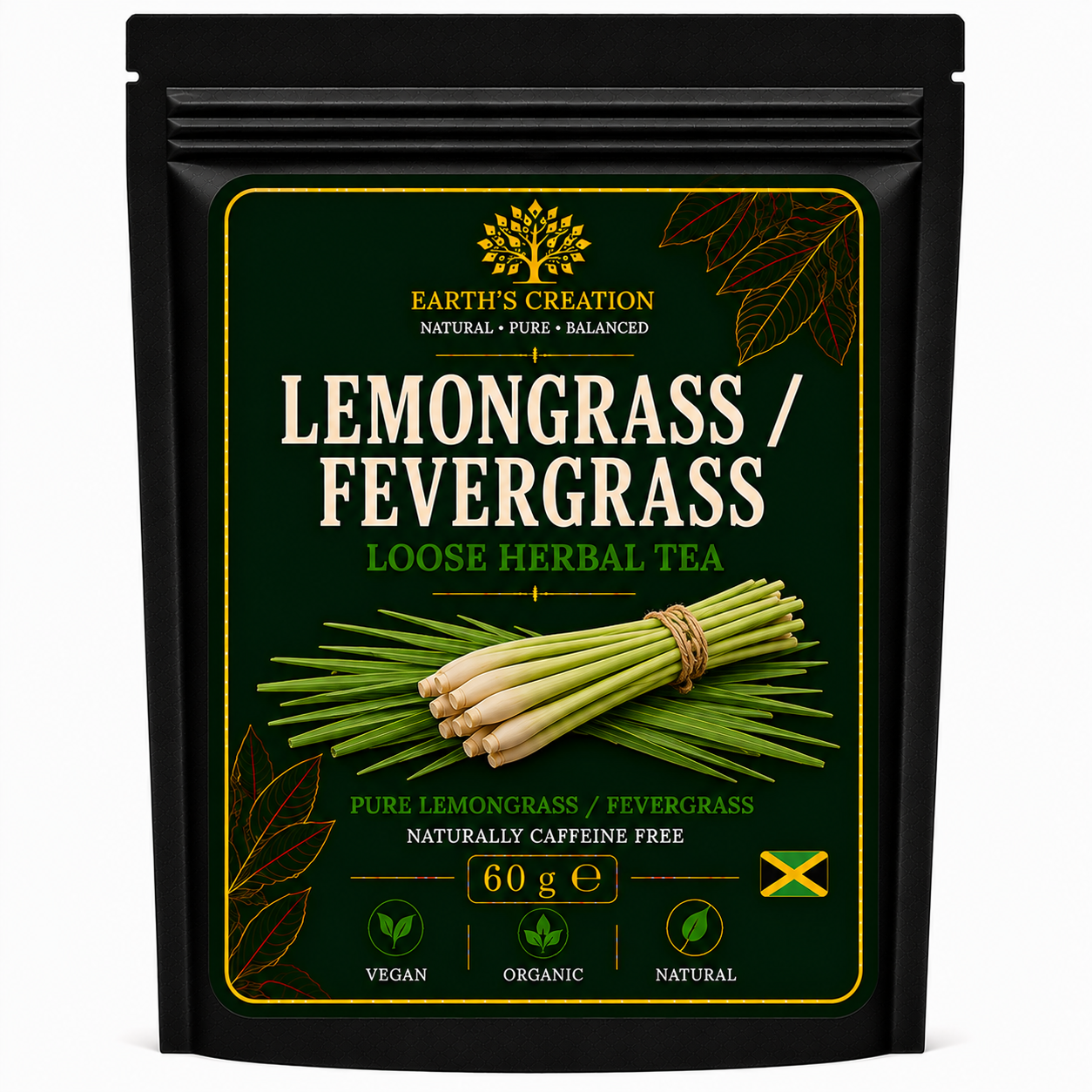
Lemongrass Fevergrass – Powerful Traditional Caribbean Herb
Lemongrass Fevergrass is a wonderfully aromatic botanical recognised for its fresh citrus fragrance and long history in traditional herbal preparations. Commonly known simply as lemongrass internationally, the plant is widely called fevergrass in Jamaica, where it has become strongly associated with traditional bush tea culture.
Lemongrass belongs to the genus Cymbopogon, a group of aromatic grasses found throughout tropical and subtropical regions. The long, narrow leaves contain naturally occurring aromatic compounds responsible for the unmistakable lemon-like scent released when the plant is crushed, cut or steeped.
Once appropriately harvested and dried, the leaves retain their distinctive citrus character, making them particularly suitable for traditional herbal infusions and botanical blends.
For customers interested in Jamaican bush teas, Caribbean herbs and naturally aromatic botanicals, fevergrass provides a familiar and versatile addition to a herbal collection.
What Is Lemongrass Fevergrass?
Lemongrass Fevergrass commonly refers to aromatic grasses belonging to the Cymbopogon genus.
One of the most widely cultivated culinary and herbal species is Cymbopogon citratus, commonly known as West Indian lemongrass.
However, several closely related Cymbopogon species exist. If your supplier packaging identifies the botanical specifically as Cymbopogon citratus, add that exact Latin name to your product specifications.
The plant grows in dense clumps of long, slender green leaves. When the foliage is crushed or cut, it releases the refreshing citrus fragrance responsible for the familiar lemongrass name.
Fevergrass in Jamaican Tradition
In Jamaica, lemongrass is widely known as fevergrass.
The plant has become part of the island’s extensive tradition of preparing hot beverages from locally available herbs, leaves and other botanicals.
Jamaican bush-tea culture encompasses many different plants, with knowledge about individual herbs traditionally passed between generations.
Lemongrass Fevergrass is particularly memorable because its strong citrus aroma creates a distinctive herbal drink without needing conventional tea leaves.
Its Jamaican common name also demonstrates how the same botanical can develop different cultural identities depending on where it is grown and used.
Traditional Uses of Fevergrass
Fevergrass has generations of traditional use in herbal preparations.
Its common Jamaican name reflects its historical association with preparations consumed during fevers, colds and periods of feeling unwell. It has also traditionally been enjoyed as a warming and relaxing herbal beverage.
That cultural history is important, but the name should not be interpreted as proof that ordinary dried fevergrass can cure a fever, eliminate influenza or treat an infection.
A fever can have many causes, some of which require medical assessment.
The product can accurately be described as a traditional Jamaican bush tea without promising that it will treat an illness.
A Naturally Citrusy Botanical
One of the defining characteristics of Lemongrass Fevergrass is its naturally fresh aroma.
Unlike citrus fruits, lemongrass does not need to contain lemon juice to produce its familiar fragrance.
The plant naturally contains volatile aromatic compounds, including citral, which contributes strongly to its lemon-like scent.
This fragrance has helped make lemongrass popular far beyond traditional herbal preparations.
Various Cymbopogon species are cultivated for culinary, aromatic and commercial purposes throughout tropical regions.
Traditional Fevergrass Tea
Dried fevergrass is particularly well known as an herbal infusion.
When suitable food-grade leaves are steeped in hot water according to the product directions, they release their characteristic citrus aroma and flavour.
The resulting caffeine-free botanical infusion can be enjoyed by itself or incorporated into appropriate herbal blends.
Its bright aromatic character can complement other botanicals without the heaviness or bitterness associated with some roots and bark.
Customers should follow the preparation and serving instructions supplied with the particular product.
Lemongrass in Caribbean and Global Cuisine
Although fevergrass has a strong place within Jamaican botanical traditions, lemongrass is internationally recognised.
It is particularly prominent in Southeast Asian cuisines, where fresh lemongrass contributes its characteristic citrus flavour to soups, curries, sauces and numerous other dishes.
The plant is also cultivated and used throughout Africa, India, Latin America and the Caribbean.
This global popularity makes lemongrass an interesting example of a botanical that connects several different culinary and herbal traditions.
Cymbopogon Botanical Identity
The genus Cymbopogon belongs to the grass family, Poaceae.
This means lemongrass is botanically a true grass, despite having an aroma more commonly associated with citrus plants.
If your product is confirmed as Cymbopogon citratus, displaying the scientific name alongside Lemongrass / Fevergrassgives customers a clear botanical identity.
It can also help customers recognise that Jamaican fevergrass and internationally familiar lemongrass may refer to the same botanical product.
Lemongrass and Essential Oil
Dried leaves should not be confused with concentrated lemongrass essential oil.
Essential oil is a highly concentrated aromatic preparation produced from plant material.
The dried herb contains the actual botanical leaves and is prepared differently.
Safety and usage instructions intended for loose food-grade lemongrass should therefore not automatically be applied to concentrated essential oils.
Making this distinction is particularly important when customers research botanical products online.
Why Choose Lemongrass Fevergrass?
This aromatic botanical may appeal to customers interested in:
- Jamaican bush teas
- Traditional Caribbean herbs
- Fevergrass tea
- Lemongrass herbal tea
- Cymbopogon botanicals
- Naturally caffeine-free infusions
- Citrus-flavoured herbs
- Jamaican botanical traditions
- Dried herbal leaves
- Tropical botanical blends
Its refreshing fragrance makes it noticeably different from earthy roots and strongly bitter herbs.
Explore More Jamaican Bush Herbs
Jamaica has a remarkably diverse botanical tradition containing plants with dramatically different flavours and cultural histories.
Fevergrass provides a fresh, aromatic herbal ingredient that sits naturally alongside other traditional Jamaican bush teas.
Explore our Cerasee Bush for another distinctive herb with generations of Jamaican and Caribbean botanical heritage.
This gives customers a relevant internal link between two products associated with Jamaican bush-tea traditions.
Responsible Use of Lemongrass Fevergrass
Lemongrass Fevergrass should be used according to the preparation and serving instructions supplied with the specific product.
Only botanical material supplied as food grade and intended for consumption should be prepared as an herbal tea.
Anyone who is pregnant or breastfeeding, taking medication, managing an existing health condition or uncertain whether lemongrass is suitable should seek appropriate professional advice where necessary.
A persistent or unusually high fever should receive appropriate medical attention rather than being treated solely with traditional herbal preparations.
Herbal products should not replace prescribed medicines or necessary medical care.
Discover Traditional Jamaican Fevergrass
With its refreshing citrus fragrance, tropical character and generations of use in Jamaican bush-tea culture, Lemongrass Fevergrass is a distinctive addition to a Caribbean botanical collection.
The plant’s popularity extends far beyond Jamaica, connecting Caribbean traditions with culinary and botanical practices throughout tropical regions of the world.
Whether you’re exploring Jamaican herbs, creating aromatic botanical blends or discovering traditional caffeine-free infusions, fevergrass offers a refreshing combination of flavour, fragrance and cultural heritage.
Explore our Cerasee Bush for another distinctive herb with generations of Jamaican and Caribbean botanical heritage.
Learn more about the botanical classification of Cymbopogon through the Royal Botanic Gardens, Kew Plants of the World Online database.
Only logged in customers who have purchased this product may leave a review.
Related products


Support Packs




Alkaline Herb Formulas
Lung Support Herbal Capsules, Natural Respiratory & Lung Health Support


Alkaline Herb Formulas
Multi-Mineral Herbal Capsules | Natural Mineral & Trace Element Support, and Wellness Formula
Reviews
There are no reviews yet.