

 ITAL LIFE
 EARTH’S CREATION
 NACHER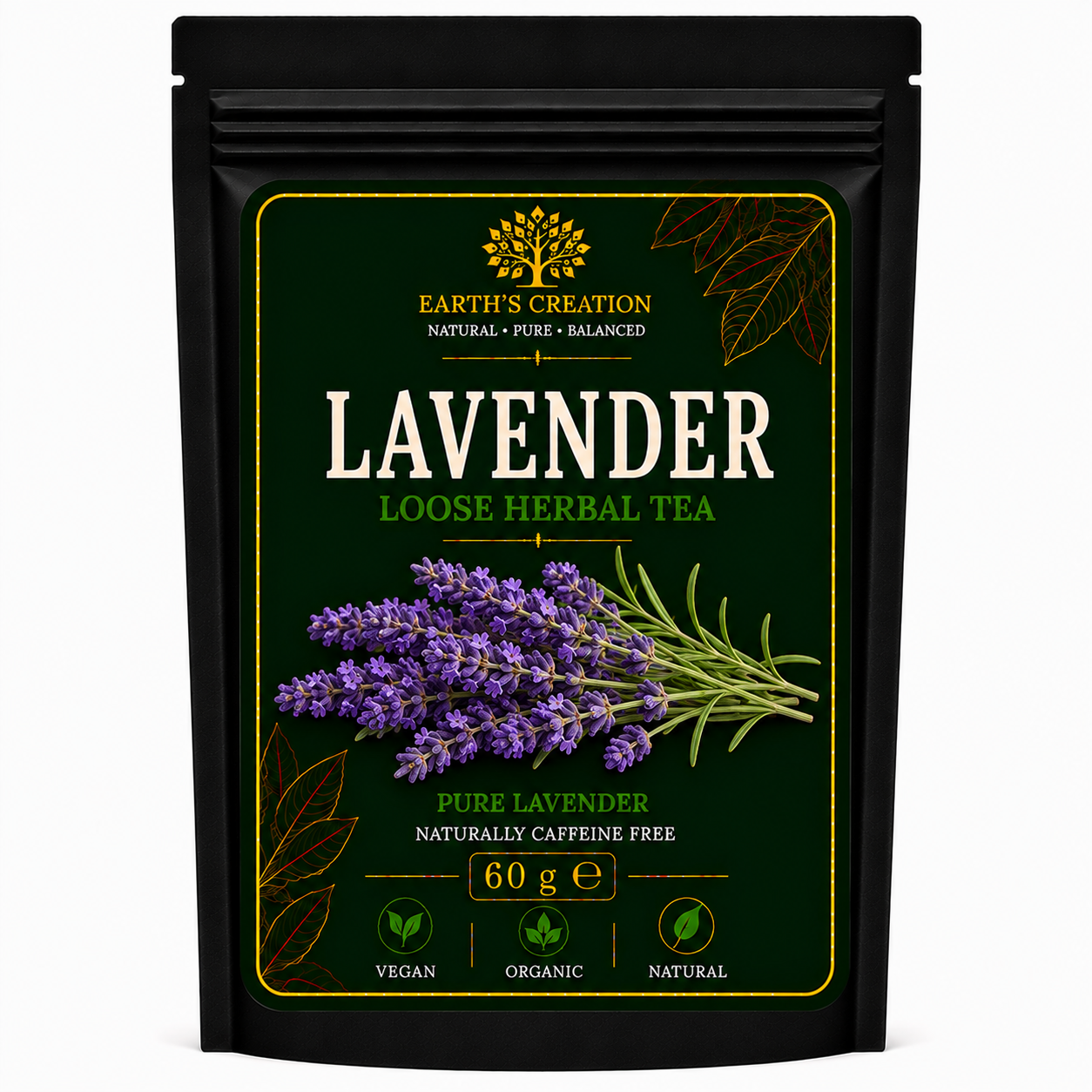
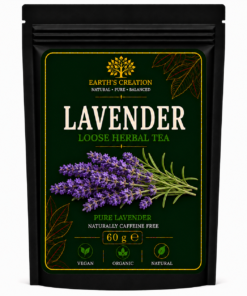
Lavender Flower – Powerful Traditional Aromatic Herb
Lavender Flower is one of the world’s most recognisable aromatic botanicals, valued for its beautiful colour, distinctive fragrance and generations of traditional use. Lavender belongs to the mint family, Lamiaceae, and is particularly associated with Mediterranean landscapes and European herbal traditions.
The flowering tops develop their characteristic fragrance from naturally occurring aromatic compounds within the plant. Once carefully harvested and dried, the flowers retain much of their distinctive aroma, making them popular in botanical collections, herbal preparations and suitable tea blends.
Lavender’s combination of fragrance, appearance and fascinating history makes it noticeably different from many ordinary dried herbs. For customers interested in traditional European botanicals and naturally aromatic flowers, it provides an attractive addition to a varied herbal collection.
What Is Lavender Flower?
Lavender Flower generally refers to the dried flowering portions of plants belonging to the genus Lavandula.
One of the best-known species is Lavandula angustifolia, commonly called English lavender or true lavender. Despite the familiar name “English lavender,” the species originates from areas of the Mediterranean region.
Several other Lavandula species and hybrids are also commercially cultivated.
If your supplier packet specifically identifies the product as Lavandula angustifolia, add that botanical name to your WooCommerce specifications. If another species is listed, use the exact botanical identification supplied.
Traditional Uses of Lavender Flower
Lavender has been appreciated for generations in European and Mediterranean botanical traditions.
Its fragrance has historically made it particularly popular in aromatic preparations, bathing traditions and household uses. Lavender has also become strongly associated with relaxation and bedtime routines.
Traditional herbal preparations have included the flowers in suitable infusions and botanical blends.
However, an ordinary dried botanical should not be advertised as curing insomnia, treating anxiety or replacing medication for mental health or sleep disorders.
The genuine history and aromatic character of lavender provide plenty of valuable information without needing exaggerated medical claims.
A Naturally Fragrant Botanical
Perhaps the most distinctive characteristic of Lavender Flower is its unmistakable fragrance.
Lavender produces aromatic compounds in specialised structures within the plant. These naturally occurring volatile constituents contribute to the familiar floral, herbaceous scent released from the dried material.
Two compounds frequently associated with lavender aroma are linalool and linalyl acetate.
The precise aromatic profile can vary according to species, variety, growing conditions, harvest and processing.
This natural variation is part of the character of botanical ingredients.
Lavender Flower Herbal Tea
Certain culinary and herbal varieties of lavender have traditionally been incorporated into infusions.
The floral aroma means relatively small amounts can contribute a noticeable character to suitable botanical blends.
Lavender can also complement other fragrant herbs and flowers when used according to appropriate preparation directions.
Customers should follow the instructions supplied with the specific product, particularly because not every product sold as decorative or aromatic lavender is necessarily intended for food use.
Your listing should only describe this product as suitable for tea when your supplier confirms it is food-grade material intended for consumption.
Lavandula – Botanical Identity
The botanical genus Lavandula belongs to the Lamiaceae family.
This places lavender in the same broad botanical family as familiar aromatic plants including mint, rosemary, thyme, sage and basil.
Members of this family are often recognised for their aromatic foliage and flowers.
Using the scientific botanical name alongside the common product name gives customers a more precise reference when researching the plant.
This becomes particularly useful because multiple lavender species and cultivated varieties are sold commercially.
Lavender Flower and Lavender Essential Oil
An important distinction should be made between dried flowers and concentrated essential oil.
Lavender Flower consists of the actual dried botanical material.
Lavender essential oil, by comparison, is a highly concentrated aromatic preparation generally produced through distillation.
These products are not interchangeable.
Directions and safety information intended for dried food-grade lavender should not automatically be applied to essential oil, and concentrated oil should not be consumed simply because dried culinary lavender can be used in certain foods and drinks.
Clear product descriptions help customers understand this difference.
Lavender in Mediterranean Heritage
Lavender has particularly strong cultural associations with Mediterranean and southern European landscapes.
Fields of flowering lavender have become iconic in regions such as Provence, where the plant is cultivated commercially and ornamentally.
The plant’s attractive flowers also make it popular with pollinating insects.
Its history extends beyond modern cultivation, with lavender having been valued for aromatic and household applications for generations.
This combination of botanical beauty, fragrance and cultural heritage has helped lavender become internationally recognised.
Culinary Uses of Lavender
Food-grade lavender can also have culinary applications.
Its aromatic flowers may be incorporated carefully into suitable baked goods, botanical blends, syrups and other recipes.
Because lavender has a powerful floral character, balance is important when it is used as a culinary ingredient.
Customers should ensure that the particular product they purchase is intended for food preparation before consuming it.
This versatility gives lavender an interesting position between traditional herb, culinary ingredient and aromatic botanical.
Why Choose Lavender Flower?
This fragrant botanical may appeal to customers interested in:
- Traditional European herbs
- Aromatic dried flowers
- Mediterranean botanicals
- Herbal tea ingredients
- Floral botanical blends
- Lavandula species
- Traditional botanical collections
- Naturally fragrant herbs
- Dried culinary flowers
Its beautiful appearance and unmistakable fragrance make lavender particularly distinctive.
Explore More Aromatic Flowers
A varied botanical collection can contain flowers with dramatically different aromas and traditional histories.
Lavender provides a strongly fragrant Mediterranean botanical that pairs naturally with other traditional floral ingredients.
Explore our Chamomile Flower for another beautifully aromatic dried flower with generations of traditional herbal heritage.
This gives customers a highly relevant internal product link and connects two of your floral botanicals naturally.
Responsible Use of Lavender Flower
Lavender Flower should be used according to the preparation and serving instructions supplied with the particular product.
Only lavender confirmed as food grade and intended for consumption should be used in tea or cooking.
Anyone who is pregnant or breastfeeding, taking medication, managing an existing medical condition or uncertain whether lavender preparations are suitable should seek appropriate professional advice when necessary.
Customers should also distinguish dried flowers from concentrated lavender essential oil, which has different usage and safety considerations.
Herbal products should not replace prescribed medication or necessary medical care.
Discover Traditional Lavender
With its beautiful flowers, Mediterranean heritage and unmistakable fragrance, Lavender Flower remains one of the most recognisable traditional aromatic botanicals.
Its popularity across herbal, culinary and aromatic traditions demonstrates the remarkable versatility of the Lavandulagenus.
Whether you’re creating a collection of fragrant dried flowers, exploring Mediterranean botanicals or discovering traditional herbal ingredients, lavender provides a beautiful combination of botanical character, cultural heritage and naturally aromatic qualities.
Explore our Chamomile Flower for another beautifully aromatic dried flower with generations of traditional herbal heritage.
Learn more about the botanical classification of Lavandula through the Royal Botanic Gardens, Kew Plants of the World Online database.
Only logged in customers who have purchased this product may leave a review.
Related products

Alkaline Herb Formulas
Anti-V Herbal Capsules, Natural Immune & Antioxidant Support, Plant-Based Daily Wellness Formula

Alkaline Herb Formulas
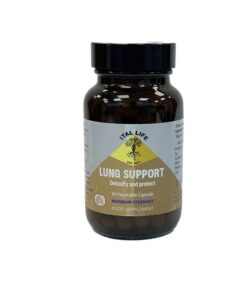
Lung Support Herbal Capsules, Natural Respiratory & Lung Health Support

Alkaline Herb Formulas
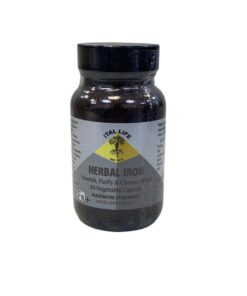
Herbal Iron Compound Capsules, Natural Iron & Blood Support.

Alkaline Herb Formulas
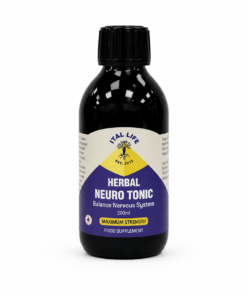
Neuro Tonic Herbal Supplement | Natural Nervous System Support,
Alkaline Herb Formulas
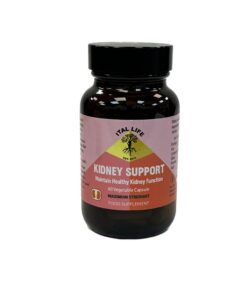
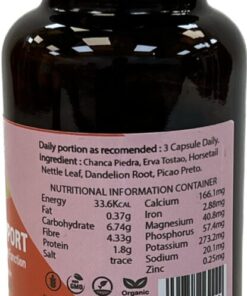
Kidney Support Herbal Capsules | Natural Kidney & Urinary Tract Support.
Reviews
There are no reviews yet.