

 ITAL LIFE
 EARTH’S CREATION
 NACHER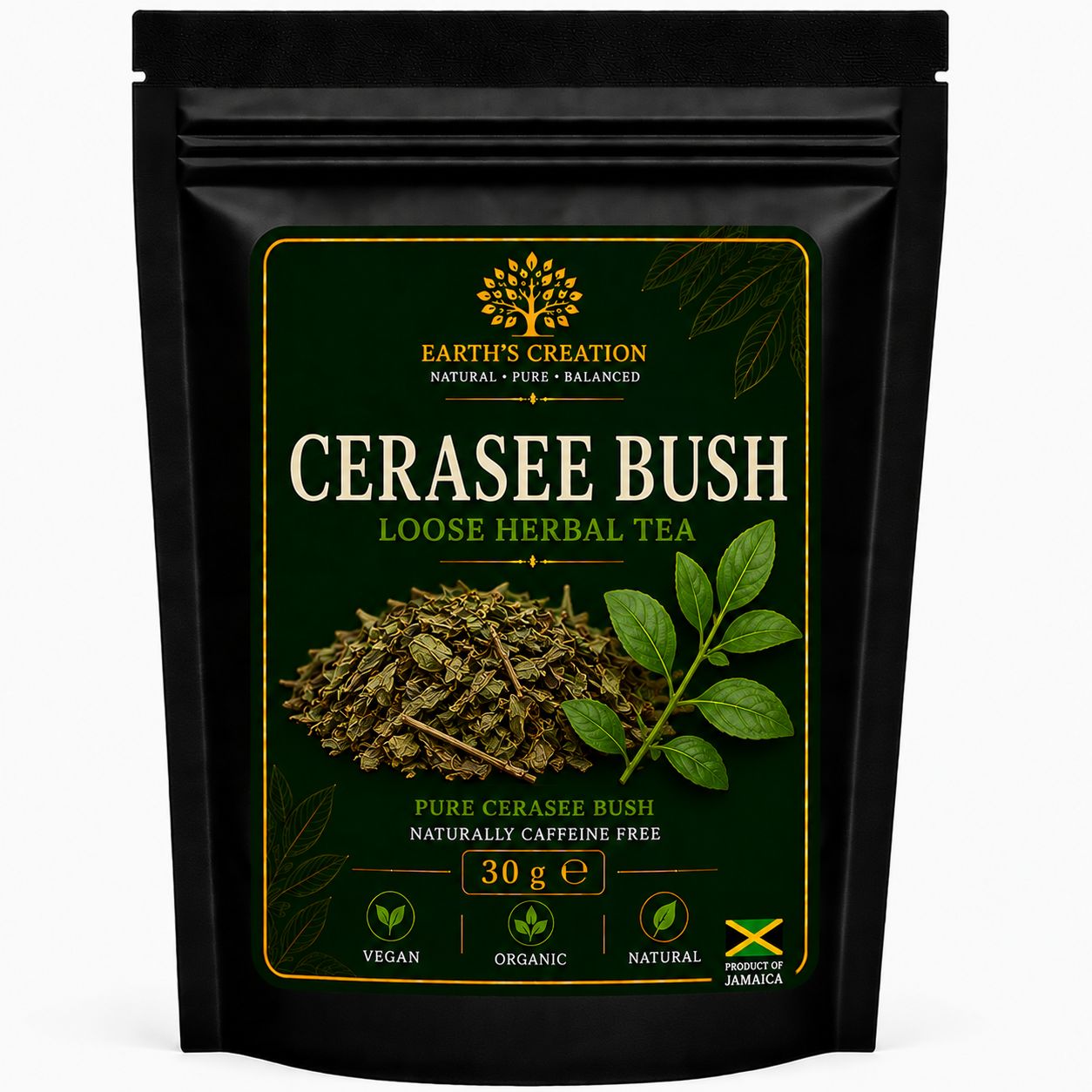
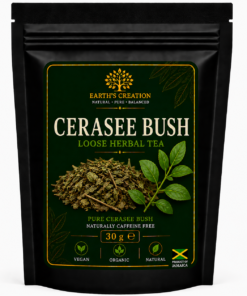
Cerasee Bush – Traditional Caribbean Bitter Herb
Cerasee Bush is a well-known traditional herb with a particularly strong place in Jamaican and wider Caribbean herbal culture. Recognised for its distinctly bitter character, cerasee has traditionally been prepared as an herbal tea and forms part of generations of Caribbean plant knowledge.
The plant commonly associated with cerasee is Momordica charantia, a climbing vine belonging to the gourd family. The same species is also widely known as bitter melon or bitter gourd, although the term cerasee in Caribbean herbal traditions commonly refers to the leafy vine and other aerial parts used to prepare traditional infusions.
Its intensely bitter taste makes cerasee quite different from mild herbal teas such as chamomile or peppermint. For many people familiar with Caribbean herbal traditions, however, that bitterness is precisely what makes the plant distinctive.
What Is Cerasee Bush?
Cerasee Bush comes from Momordica charantia, a tropical and subtropical climbing plant found in many warm regions of the world.
The plant produces characteristic leaves, climbing tendrils, yellow flowers and unusual fruits that develop a rough exterior. Different parts of the plant have been used in traditional food and herbal practices around the world.
Within Jamaica and other Caribbean communities, the leafy vine has become particularly associated with traditional bitter tea preparations.
Cerasee may be sold fresh or dried depending on availability. Dried material provides a convenient way of keeping this traditional botanical in an herbal collection for later preparation.
Traditional Uses of Cerasee Bush
Cerasee has a long history in Caribbean folk-herbal practices, where bitter plant preparations have traditionally occupied an important place.
One of the best-known preparations is cerasee tea, made by steeping or preparing the plant in hot water. Traditional practices vary between households and communities, and knowledge about its preparation has often been passed between generations.
The plant has historically been associated with cleansing traditions and general wellbeing. These traditional associations are an interesting part of Caribbean herbal heritage but should not be interpreted as proof that cerasee can prevent, treat or cure disease.
This distinction is especially important when describing traditional herbs commercially.
Cerasee Tea and Caribbean Tradition
For many people, cerasee is strongly connected with Jamaican home herbal traditions.
Its famously bitter flavour has made drinking cerasee tea something of a memorable experience. People accustomed to sweet or delicately flavoured herbal teas may be surprised by just how bitter it can be.
Traditionally, the herb may be prepared alone or as part of broader household herbal practices.
Today, interest in Caribbean botanicals has introduced cerasee to a much wider audience, including people exploring traditional plants, bitter herbs and botanical ingredients from different cultures.
The Botanical Identity of Cerasee
The botanical name generally associated with cerasee is Momordica charantia.
This is useful information because common plant names can differ significantly between countries and communities.
The species is known internationally by names including bitter melon and bitter gourd, particularly when referring to its fruit. Cerasee is one of the names strongly associated with the plant in Jamaica and parts of the Caribbean.
Including both the common and botanical names helps customers identify precisely which plant they are purchasing.
Naturally Bitter Botanical Character
One of the defining characteristics of Cerasee Bush is bitterness.
Plants naturally contain many different compounds, and bitter flavours occur throughout the botanical world. Historically, bitter herbs have been incorporated into numerous traditional food and herbal systems.
Cerasee’s strong flavour means that a relatively simple herbal preparation can have an unmistakable botanical character.
Customers trying cerasee for the first time should therefore expect something very different from an ordinary commercial tea.
Preparing Cerasee Bush
Traditional preparation methods vary considerably.
Dried cerasee is commonly associated with herbal tea or infusion preparations. Because individual products can vary in concentration, plant parts and processing, customers should follow the preparation directions supplied with the specific product.
Avoid assuming that instructions for capsules, concentrated extracts or bitter melon fruit products apply directly to dried cerasee herb.
Those products can be substantially different.
Cerasee in Modern Herbal Research
Momordica charantia has attracted considerable scientific research because of the variety of naturally occurring compounds found within the plant.
However, research involving concentrated extracts, isolated compounds, laboratory experiments or specific preparations should not automatically be interpreted as evidence for the effects of ordinary dried Cerasee Bush.
This is particularly important with claims concerning blood sugar or diabetes.
Although Momordica charantia is frequently discussed in relation to glucose metabolism, a retail dried-herb product should not be presented as a treatment for diabetes or as a replacement for diabetes medication.
Customers using medicines that affect blood glucose should obtain appropriate professional advice before using concentrated or medicinal preparations of the plant.
A Distinctive Caribbean Botanical
Cerasee makes an interesting addition to a diverse herbal collection because it combines a distinctive bitter character with a rich Caribbean cultural history.
It may particularly appeal to customers interested in:
- Traditional Jamaican herbs
- Caribbean botanical traditions
- Bitter herbal teas
- Dried traditional herbs
- Tropical botanicals
- Traditional tea ingredients
- International herbal practices
- Botanical collections
Its cultural heritage is every bit as interesting as its unusual flavour.
Important Information
Use Cerasee Bush according to the instructions supplied with your particular product.
Pregnant or breastfeeding people and anyone taking medication or managing an existing medical condition should seek appropriate professional advice before using herbal preparations.
Particular caution is sensible for people using medicines that affect blood glucose.
Traditional use does not establish that a botanical can diagnose, prevent, treat or cure a medical condition, and herbal products should not replace prescribed medicines.
Discover Traditional Cerasee Bush
From its unmistakably bitter taste to its deep connection with Jamaican and Caribbean herbal traditions, Cerasee Bush is one of the region’s most distinctive traditional botanicals.
Whether you already know cerasee from Caribbean family traditions or are discovering it for the first time, this dried botanical provides an authentic way to explore the fascinating world of traditional bitter herbs.
Explore our other traditional Caribbean and botanical herbs to expand your herbal collection.
For further botanical information about Momordica charantia, explore the Royal Botanic Gardens, Kew Plants of the World Online database.
Only logged in customers who have purchased this product may leave a review.
Related products

Alkaline Herb Formulas
Heart Support Herbal Capsules | Natural Cardiovascular & Circulation Support


Alkaline Herb Formulas
BRAIN FOOD Herbal Capsules | Natural Memory, Focus & Cognitive Support


Alkaline Herb Formulas
Anti-V Herbal Capsules, Natural Immune & Antioxidant Support, Plant-Based Daily Wellness Formula

Alkaline Herb Formulas
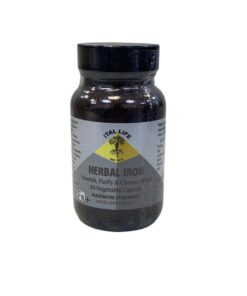
Herbal Iron Compound Capsules, Natural Iron & Blood Support.


Alkaline Herb Formulas


Alkaline Herb Formulas


Alkaline Herb Formulas
Clear Sight Herbal Capsules | Natural Eye Health & Vision Support.
Reviews
There are no reviews yet.