

 ITAL LIFE
 EARTH’S CREATION
 NACHER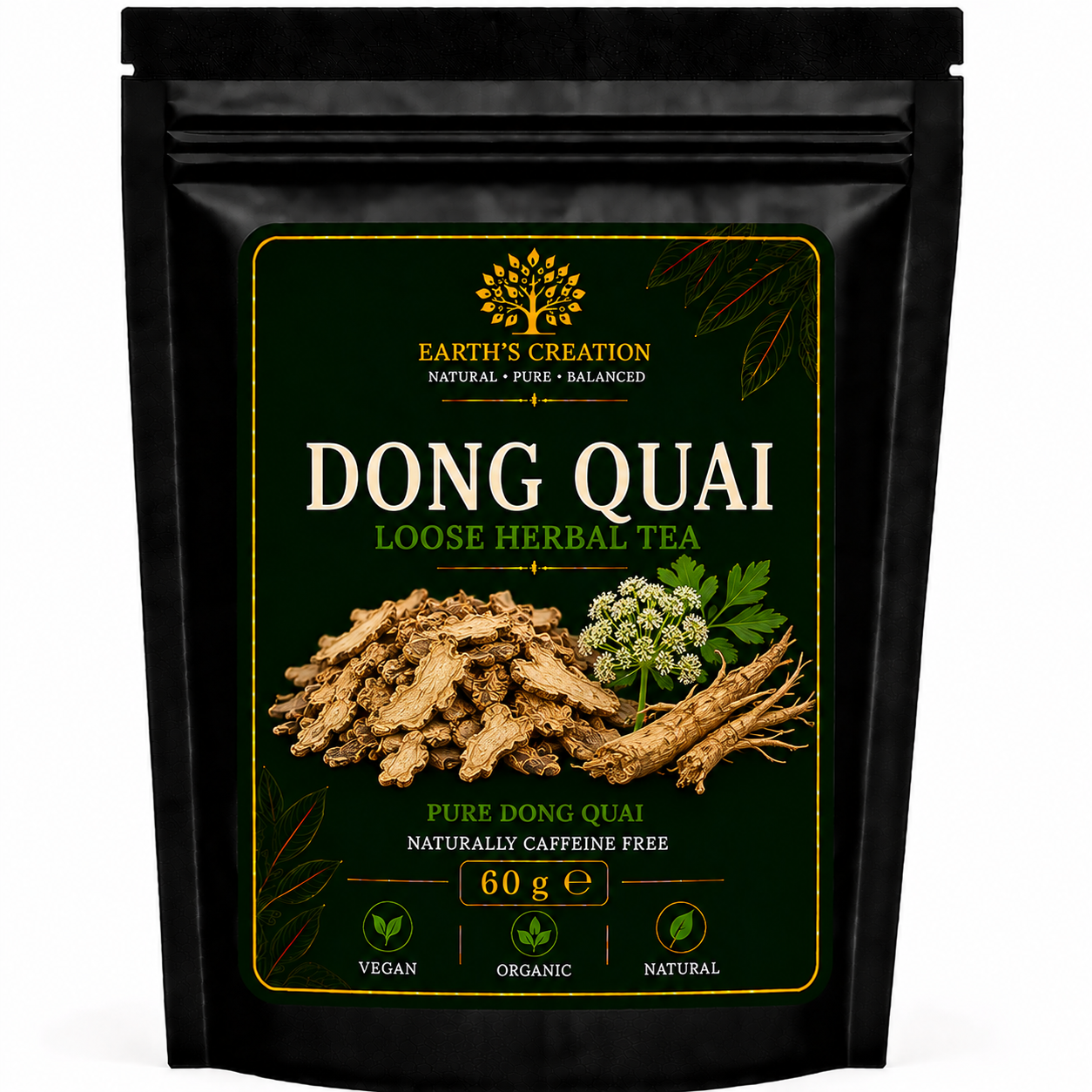
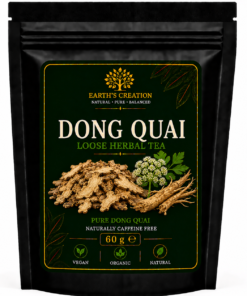
Dong Quai – Powerful Traditional Chinese Botanical
Dong Quai is a traditional botanical strongly associated with Chinese herbal practices. Botanically known as Angelica sinensis, it is a perennial plant belonging to the Apiaceae family, which also contains familiar plants such as celery, parsley, fennel and carrot.
The root is the part most commonly associated with traditional preparations. Once harvested and appropriately dried, it develops a distinctive appearance, aroma and character that make it easily distinguishable from delicate leafy and flowering herbs.
The plant has been used within traditional Chinese herbal systems for generations and remains one of the better-known Chinese botanical roots internationally.
For customers interested in traditional Asian herbs, individual dried roots and the history of Chinese botanical practices, this is a particularly interesting addition to a varied collection.
What Is Dong Quai?
The botanical name for this herb is Angelica sinensis.
It belongs to the Angelica genus, which contains numerous species. This makes the scientific name particularly useful when distinguishing Chinese angelica from other products sold simply as angelica.
For example, Angelica archangelica, commonly associated with European Angelica Root, is a separate species with its own botanical history.
The dried root of Angelica sinensis has a characteristic aromatic quality and has traditionally been incorporated into numerous Chinese herbal preparations.
Using both the common and scientific names on a product listing gives customers a clear botanical reference.
Traditional Uses of Dong Quai
Dong Quai has a particularly strong association with traditional women’s herbal practices in China.
Historically, the root has appeared in preparations associated with menstrual and women’s wellbeing traditions. This long history has contributed to its modern reputation and international popularity.
However, traditional use needs to be distinguished carefully from proven medical treatment.
An ordinary dried root should not be advertised as treating infertility, regulating hormones, curing menstrual disorders or treating symptoms of menopause.
Those are medical claims requiring considerably stronger evidence than historical herbal use alone.
The plant’s genuine traditional history provides plenty of interesting information without needing to promise specific health outcomes.
A Famous Chinese Herbal Root
Traditional Chinese herbalism incorporates a huge range of roots, leaves, flowers, bark, seeds and other botanical materials.
Angelica sinensis has become particularly recognisable because of its longstanding place within this tradition.
Its history also demonstrates why botanical identification matters. Although several Angelica species may look related and share part of their scientific name, they are not interchangeable.
Customers purchasing individual botanicals should therefore check the Latin name rather than relying entirely on common names.
Dong Quai and Angelica Root
An important distinction should be made between Chinese and European angelica.
Dong quai is generally Angelica sinensis, whereas the Angelica Root product commonly encountered in European herbal traditions is usually Angelica archangelica.
Both belong to the same botanical genus but represent separate species.
This distinction is useful for customers who already have Angelica Root in their herbal collection and might otherwise assume the two products are identical.
Clearly displaying Angelica sinensis on the product page prevents that confusion.
Naturally Occurring Botanical Compounds
Like other traditional roots, this botanical naturally contains a complex mixture of plant constituents.
Researchers have investigated compounds occurring within Angelica sinensis, and the plant continues to attract scientific attention because of its long history of traditional use.
However, studies involving isolated compounds, laboratory experiments or concentrated extracts should not automatically be interpreted as evidence that an ordinary dried-root product will produce the same effects.
Different preparations can vary substantially in concentration and composition.
Responsible herbal information should therefore separate traditional knowledge from claims based on modern clinical evidence.
Preparing Traditional Dried Roots
Roots are naturally tougher than delicate herbal leaves and flowers.
Traditional preparation methods may therefore differ from those used for a simple loose-leaf infusion. Depending on the particular botanical and intended preparation, dried roots may historically have been gently simmered rather than merely steeped.
Customers should always follow the directions supplied with their specific product.
Cut dried root, powder, capsules, tinctures and concentrated extracts should not automatically be treated as equivalent preparations.
Why Choose This Traditional Botanical?
This traditional Chinese root may appeal to customers interested in:
- Traditional Chinese botanicals
- Angelica sinensis
- Dried herbal roots
- Chinese herbal traditions
- Individual botanical ingredients
- Traditional Asian herbs
- Historical women’s herbal traditions
- Botanical collections
Its distinctive heritage gives it an important place among traditional Asian botanical ingredients.
Explore Related Traditional Herbs
A diverse botanical collection can contain roots originating from very different cultural herbal traditions.
Chinese angelica provides an interesting comparison with European angelica because the plants belong to the same genus while remaining separate botanical species.
Explore our Angelica Root to discover another traditional member of the Angelica genus with a fascinating herbal history.
This creates a particularly relevant internal product link while also helping customers understand the difference between the two herbs.
Important Information
Use Dong Quai according to the instructions supplied with the particular product.
Pregnant or breastfeeding people should seek professional advice before using Angelica sinensis. Anyone taking prescription medication or managing an existing medical condition should also discuss herbal preparations with an appropriate healthcare professional.
Particular caution is sensible for people taking anticoagulant or blood-thinning medication, or those with bleeding disorders.
Anyone experiencing persistent menstrual problems, abnormal bleeding or other concerning symptoms should seek appropriate medical assessment rather than relying solely on herbal preparations.
Herbal products should not replace prescribed medication or necessary medical care.
Discover Traditional Chinese Angelica
With its distinctive aromatic root and generations of history within Chinese botanical practices, Angelica sinensis remains one of the most recognisable traditional Chinese herbs.
Its relationship to other members of the Angelica genus also makes it botanically fascinating.
Whether you’re exploring Chinese herbal traditions or expanding an established selection of dried roots, this botanical provides an opportunity to discover a plant with a rich cultural and herbal heritage.
Explore our Angelica Root to discover another traditional member of the Angelica genus with a fascinating herbal history.
Learn more about the botanical classification of Angelica sinensis through the Royal Botanic Gardens, Kew Plants of the World Online database.
Only logged in customers who have purchased this product may leave a review.
Related products
Alkaline Herb Formulas
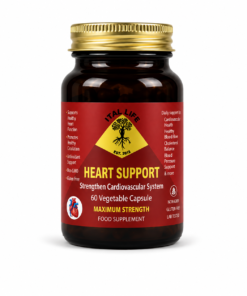
Heart Support Herbal Capsules | Natural Cardiovascular & Circulation Support
Alkaline Herb Formulas
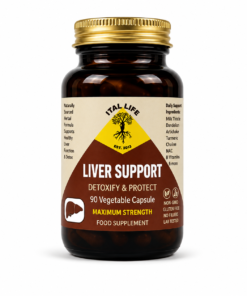
Liver Support Herbal Capsules | Natural Liver, Bile & Digestive Support | Plant-Based Herbal Formula

Alkaline Herb Formulas
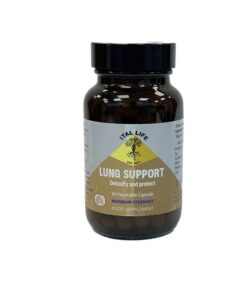
Lung Support Herbal Capsules, Natural Respiratory & Lung Health Support
Alkaline Herb Formulas
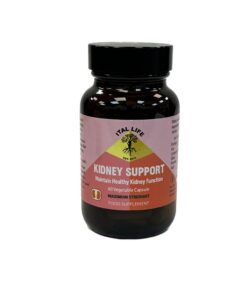
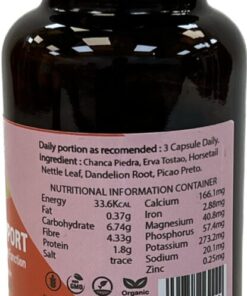
Kidney Support Herbal Capsules | Natural Kidney & Urinary Tract Support.
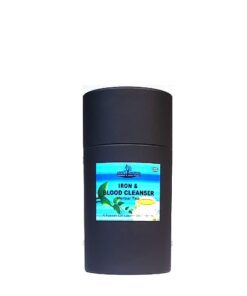
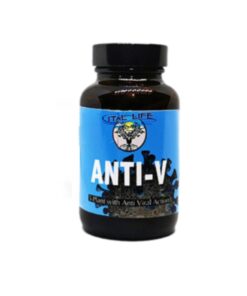

Alkaline Herb Formulas
Anti-V Herbal Capsules, Natural Immune & Antioxidant Support, Plant-Based Daily Wellness Formula
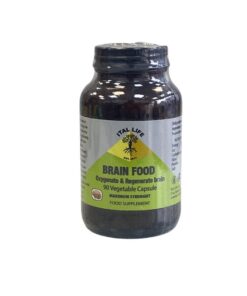

Alkaline Herb Formulas
BRAIN FOOD Herbal Capsules | Natural Memory, Focus & Cognitive Support
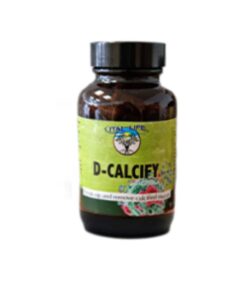

Alkaline Herb Formulas
Reviews
There are no reviews yet.