

 ITAL LIFE
 EARTH’S CREATION
 NACHER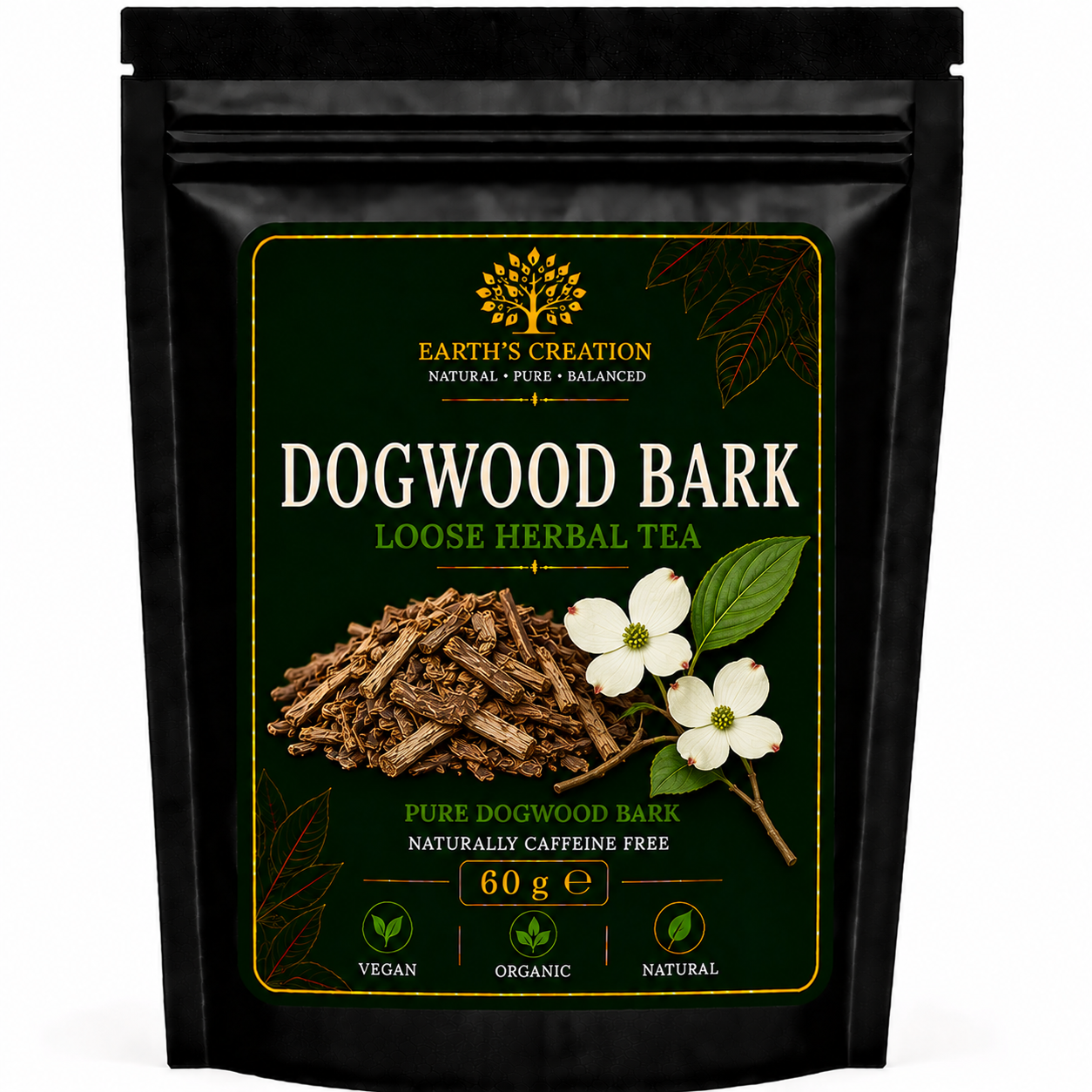
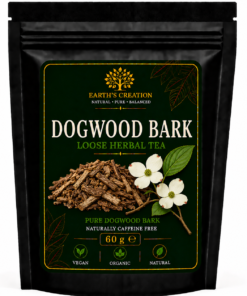
Dogwood Bark – Powerful Traditional Jamaican Botanical
Dogwood Bark is a distinctive traditional botanical obtained from Piscidia piscipula, a tree native to parts of the Caribbean, including Jamaica. Commonly known as Jamaican dogwood, the plant has a long association with Caribbean botanical traditions and is recognised for its woody character and interesting cultural history.
Unlike delicate flowers and leafy herbs, dried bark provides a substantial botanical material with its own appearance, texture and traditional preparation methods. Jamaican dogwood has become particularly well known among people exploring Caribbean plants and historical herbal practices.
For customers building a varied collection of traditional botanicals, this dried bark introduces an authentic Caribbean plant alongside roots, leaves and flowers originating from other herbal traditions.
What Is Dogwood Bark?
Dogwood Bark in this product comes from Piscidia piscipula, commonly known as Jamaican dogwood.
The plant belongs to the Fabaceae family, the large botanical family that also contains peas, beans and numerous trees and shrubs.
Piscidia piscipula grows as a tree and is native to tropical regions of the Americas. Jamaica forms part of its natural range, helping explain the widespread use of the name Jamaican dogwood.
The dried bark has a naturally woody appearance and may show normal variations in colour, thickness and texture. These characteristics are expected with minimally processed botanical ingredients.
Jamaican Dogwood and Caribbean Heritage
The geographical origins of Jamaican dogwood are an important part of its identity.
Many popular herbs sold today are associated primarily with European or Asian traditions. Jamaican botanicals introduce customers to a different botanical heritage shaped by the tropical environment of the Caribbean.
Dogwood Bark provides an especially interesting example because the common name connects the ingredient directly with Jamaica.
Knowledge surrounding Caribbean plants has historically been passed through communities and generations, creating a rich tradition involving locally recognised leaves, roots, bark and other plant materials.
Today, customers throughout the Caribbean diaspora continue to seek many of these traditional botanical ingredients.
Traditional Uses of Jamaican Dogwood
Jamaican dogwood has a history within traditional botanical practices.
Historically, preparations made from the bark became associated with relaxation, discomfort and other traditional herbal applications. These historical uses explain why the plant remains known within herbal communities today.
However, traditional use should not be presented as proof that an ordinary packet of dried bark can treat pain, insomnia, anxiety or another medical condition.
A responsible product description distinguishes the history surrounding the plant from established medical claims.
The botanical’s Jamaican heritage and longstanding traditional reputation provide plenty of useful information without promising customers a particular therapeutic result.
Piscidia piscipula – Botanical Identity
The botanical name of Jamaican dogwood is Piscidia piscipula.
Scientific identification is particularly helpful because the word “dogwood” can refer to completely different plants.
For example, many ornamental dogwoods belong to the genus Cornus. Those plants should not be confused with Jamaican dogwood.
Your Dogwood Bark product is specifically identified as Piscidia piscipula, which allows customers to distinguish it from unrelated dogwood species they may encounter elsewhere.
Displaying the Latin name prominently on the product page therefore improves both transparency and botanical accuracy.
A Distinctive Dried Herbal Bark
Bark is physically different from softer botanical materials such as flowers and leaves.
It forms part of the protective outer structure of woody plants and consequently develops a firmer, more substantial texture.
Once appropriately harvested and dried, Dogwood Bark may naturally vary in shape, thickness and colour.
These variations are characteristic of natural botanical material and contribute to the distinctive appearance of the product.
Customers interested in individual herbs may appreciate comparing dried bark with other plant parts such as roots, vines, leaves and flowers.
Traditional Bark Preparations
Woody botanical ingredients have historically required different preparation methods from delicate herbal teas.
Traditional bark preparations may involve a decoction, in which the plant material is gently simmered in water for a period of time rather than simply steeped briefly.
However, customers should follow the directions provided with the specific product.
Dried bark, powders, tinctures and concentrated extracts can vary substantially and should not automatically be treated as interchangeable preparations.
Appropriate preparation also depends upon the intended use of the botanical.
Dogwood Bark and Traditional Herbal Knowledge
Dogwood Bark provides an interesting opportunity to explore the difference between traditional botanical knowledge and modern evidence.
Plants used historically often developed strong reputations long before modern laboratory and clinical research existed.
Those traditions remain culturally and historically significant, but they should not automatically be converted into medical promises on a modern retail website.
This is particularly important when historical literature describes botanicals in connection with pain, sleep or other medical concerns.
Accurate information allows customers to appreciate the plant’s heritage while avoiding misleading expectations.
Why Choose Jamaican Dogwood?
This distinctive Caribbean botanical may appeal to customers interested in:
- Traditional Jamaican herbs
- Caribbean botanicals
- Piscidia piscipula
- Dried herbal bark
- Jamaican botanical heritage
- Traditional bark ingredients
- Individual dried herbs
- Tropical American botanicals
- Historical herbal traditions
Its combination of woody character and Caribbean heritage makes it noticeably different from many familiar European herbs.
Explore More Caribbean Botanicals
A diverse herbal collection can contain botanicals originating from many regions and traditions.
Jamaican dogwood provides a woody bark ingredient, while other Caribbean plants may provide leaves, vines, roots or flowers.
Explore our Cerasee Bush for another traditional Jamaican botanical with generations of Caribbean herbal heritage.
This gives customers a natural route to another relevant product rather than adding an unrelated internal link purely for SEO.
Responsible Use of Dogwood Bark
Dogwood Bark should always be used according to the directions provided with the specific product.
Botanical products can contain naturally occurring compounds with significant biological activity, so traditional does not automatically mean suitable for unrestricted use.
Anyone who is pregnant or breastfeeding, taking prescription medication, living with an existing medical condition or uncertain about using Jamaican dogwood should seek appropriate professional healthcare advice beforehand.
Customers should not use herbal products as replacements for prescribed medicines or necessary medical treatment.
Persistent pain, sleep difficulties or other ongoing symptoms should receive appropriate medical assessment rather than being treated solely with traditional herbal products.
Discover Traditional Jamaican Dogwood
With its confirmed botanical identity as Piscidia piscipula, Jamaican heritage and distinctive woody character, Dogwood Bark provides an interesting addition to a traditional botanical collection.
Its history demonstrates the remarkable diversity of Caribbean plants and the botanical knowledge that developed around them.
Whether you’re exploring Jamaican herbs specifically or expanding a broader selection of traditional dried botanicals, Jamaican dogwood provides an opportunity to discover a plant with genuine Caribbean origins and a fascinating botanical history.
Explore our Cramp Bark for another traditional dried botanical bark with a fascinating history of herbal use.
Learn more about the botanical classification and native distribution of Piscidia piscipula through the Royal Botanic Gardens, Kew Plants of the World Online database.
Only logged in customers who have purchased this product may leave a review.
Related products

Alkaline Herb Formulas
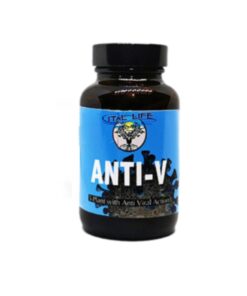
Anti-V Herbal Capsules, Natural Immune & Antioxidant Support, Plant-Based Daily Wellness Formula
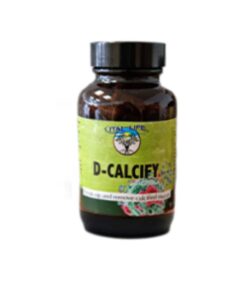

Alkaline Herb Formulas
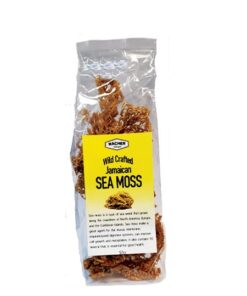


Alkaline Herb Formulas
Colon Cleanser Compound Herbal Capsules | Gut Cleanse & Bowel Wellness Formula


Alkaline Herb Formulas
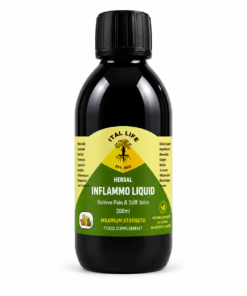
Inflammo Liquid Herbal Tonic | Joint, Inflammation & Mobility Support | Plant-Based Herbal Formula

Alkaline Herb Formulas
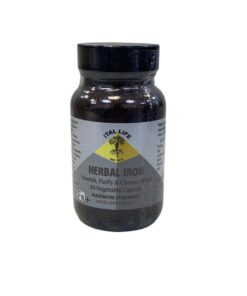
Herbal Iron Compound Capsules, Natural Iron & Blood Support.


Alkaline Herb Formulas
Reviews
There are no reviews yet.