

 ITAL LIFE
 EARTH’S CREATION
 NACHER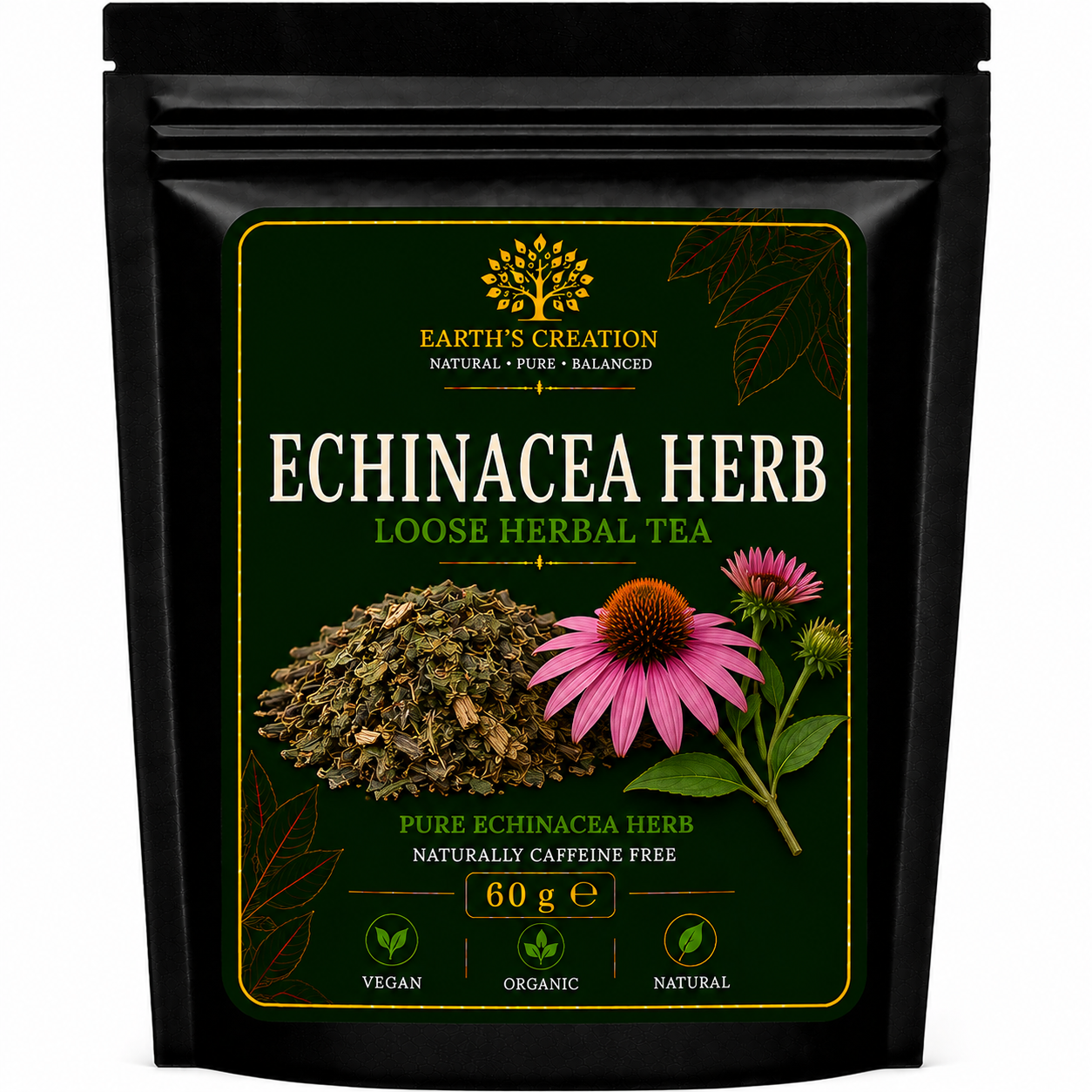
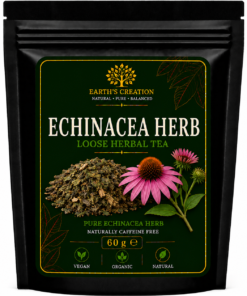
Echinacea Herb – Powerful Traditional Botanical
Echinacea Herb is a well-known North American botanical with a fascinating history of traditional use. Echinacea belongs to the daisy family, Asteraceae, and is recognised for its striking flower heads, prominent central cones and colourful petals.
Native to North America, echinacea has become one of the most familiar botanicals in modern herbal collections. Different parts of the plant have been incorporated into herbal preparations, depending on the species and particular product.
Dried aerial herb generally consists of above-ground portions such as leaves, stems and flowers rather than the root. This distinction is useful because echinacea root and aerial herb can be sold as separate botanical ingredients.
For customers interested in traditional North American plants, dried herbs and botanical tea ingredients, echinacea provides an attractive addition to a varied herbal collection.
What Is Echinacea Herb?
The name echinacea refers to plants belonging to the genus Echinacea.
Several species are associated with herbal preparations, including Echinacea purpurea, Echinacea angustifolia and Echinacea pallida.
If your supplier label identifies the product specifically as Echinacea purpurea, use that botanical name on your product specification. If it lists another species, use the exact species supplied rather than assuming they are interchangeable.
Echinacea Herb generally refers to dried aerial plant material, although commercial terminology can vary between suppliers.
The plant’s distinctive appearance has also made echinacea popular ornamentally, particularly in gardens designed to attract pollinators.
Traditional Uses of Echinacea Herb
Echinacea has a long history associated with North American botanical traditions.
Various Echinacea species were traditionally used by Indigenous peoples of North America, and the plants later became incorporated into broader Western herbal practices.
Today, echinacea is particularly well known because of its association with traditional preparations used during the common cold and respiratory season.
However, an ordinary dried botanical should not be described as guaranteed to prevent colds, cure influenza or “boost the immune system” in a way that promises protection from illness.
The type of preparation matters. Research involving specific extracts or standardised medicinal products should not automatically be applied to every loose dried-herb product.
Echinacea as a Dried Botanical
Dried aerial herbs have a noticeably different texture from woody roots and bark.
Depending on the material supplied, customers may see pieces of dried leaves, stems and flowers within the product.
Natural variations in colour, size and appearance are normal with minimally processed botanical ingredients.
The herb may be incorporated into appropriate botanical preparations and blends according to the directions supplied with the individual product.
Customers should not assume that instructions intended for echinacea capsules, tinctures or concentrated extracts also apply to ordinary loose dried material.
Echinacea Species and Botanical Identity
Botanical identification is particularly important for echinacea because several species are used commercially.
Echinacea purpurea is commonly known as purple coneflower and is probably the species most familiar to many customers.
However, Echinacea angustifolia and Echinacea pallida also have established histories within herbal preparations.
The exact species and plant part can influence the composition of a botanical product.
For this reason, your supplier’s botanical specification should determine which Latin name appears on the final listing.
A Distinctive North American Botanical
Many traditional herbs found in modern botanical collections originate from Europe, Asia, Africa or the Caribbean.
Echinacea provides a particularly recognisable example of a plant native to North America.
Its striking flower heads make it visually distinctive. The name Echinacea derives from a Greek word associated with a hedgehog or sea urchin, referring to the plant’s prominent, spiny-looking central cone.
This memorable characteristic helps distinguish echinacea from many other members of the daisy family.
Echinacea and Modern Herbal Interest
Echinacea remains the subject of considerable scientific and herbal interest.
Researchers have studied different species, plant parts and preparations, particularly in relation to respiratory infections and immune function.
Results can vary according to the particular product being investigated. A standardised extract used in a study may have a very different composition from loose dried aerial herb.
This is why responsible product information should avoid converting research on one particular preparation into sweeping claims about every echinacea product.
Traditional history, botanical identity and accurate product information provide customers with a much stronger foundation.
Why Choose Echinacea Herb?
This traditional botanical may appeal to customers interested in:
- Traditional North American herbs
- Dried aerial botanicals
- Echinacea tea ingredients
- Traditional herbal preparations
- North American botanical heritage
- Individual dried herbs
- Botanical tea blends
- Members of the daisy family
Its combination of traditional history and striking botanical characteristics has helped make echinacea one of the most recognisable herbs internationally.
Explore More Traditional Herbs
A varied herbal collection can contain botanicals from many different regions and traditions.
Echinacea introduces a traditional North American plant alongside European, Caribbean, African and Asian herbs.
Explore our Dandelion Leaf for another traditional member of the daisy family with a fascinating botanical history.
Although the plants belong to the same broad botanical family, they are separate species with their own characteristics and traditional backgrounds.
Responsible Use of Echinacea Herb
Echinacea Herb should be used according to the preparation and serving instructions supplied with the particular product.
People with known allergies to plants belonging to the Asteraceae or daisy family should exercise appropriate caution.
Anyone who is pregnant or breastfeeding, taking medication, managing an existing medical condition or uncertain whether echinacea is suitable should seek appropriate professional healthcare advice.
People with immune-system disorders or those taking immunosuppressive medicines should obtain medical advice before using echinacea preparations.
Herbal products should not replace prescribed medicines, vaccination or necessary medical treatment.
Discover Traditional Echinacea
With its distinctive coneflowers, North American origins and long history within botanical traditions, Echinacea Herbprovides an interesting addition to a varied herbal collection.
Whether you’re exploring traditional North American botanicals or expanding your selection of loose dried herbs, echinacea offers a combination of botanical beauty, cultural history and generations of herbal interest.
Explore our Dandelion Leaf for another traditional member of the daisy family with a fascinating botanical history.
Learn more about the botanical classification of Echinacea through the Royal Botanic Gardens, Kew Plants of the World Online database.
Only logged in customers who have purchased this product may leave a review.
Related products
Alkaline Herb Formulas


Alkaline Herb Formulas
Clear Sight Herbal Capsules | Natural Eye Health & Vision Support.

Alkaline Herb Formulas
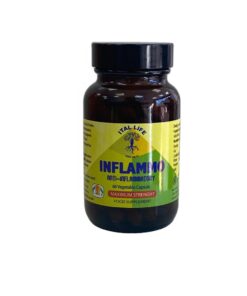
Inflammo Herbal Capsules | Natural Joint & Inflammation Support Wellness Formula
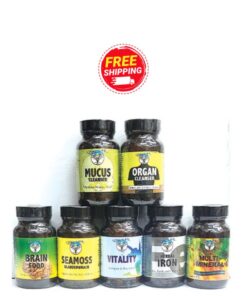
Support Packs

Alkaline Herb Formulas
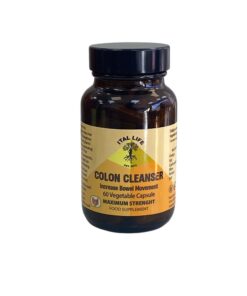
Colon Cleanser Compound Herbal Capsules | Gut Cleanse & Bowel Wellness Formula

Alkaline Herb Formulas
Neuro Tonic Herbal Supplement | Natural Nervous System Support,
Alkaline Herb Formulas
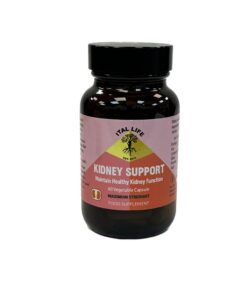
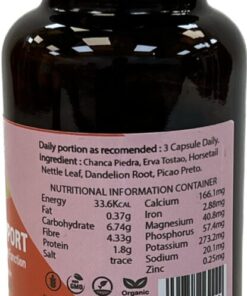
Kidney Support Herbal Capsules | Natural Kidney & Urinary Tract Support.
Reviews
There are no reviews yet.