

 ITAL LIFE
 EARTH’S CREATION
 NACHER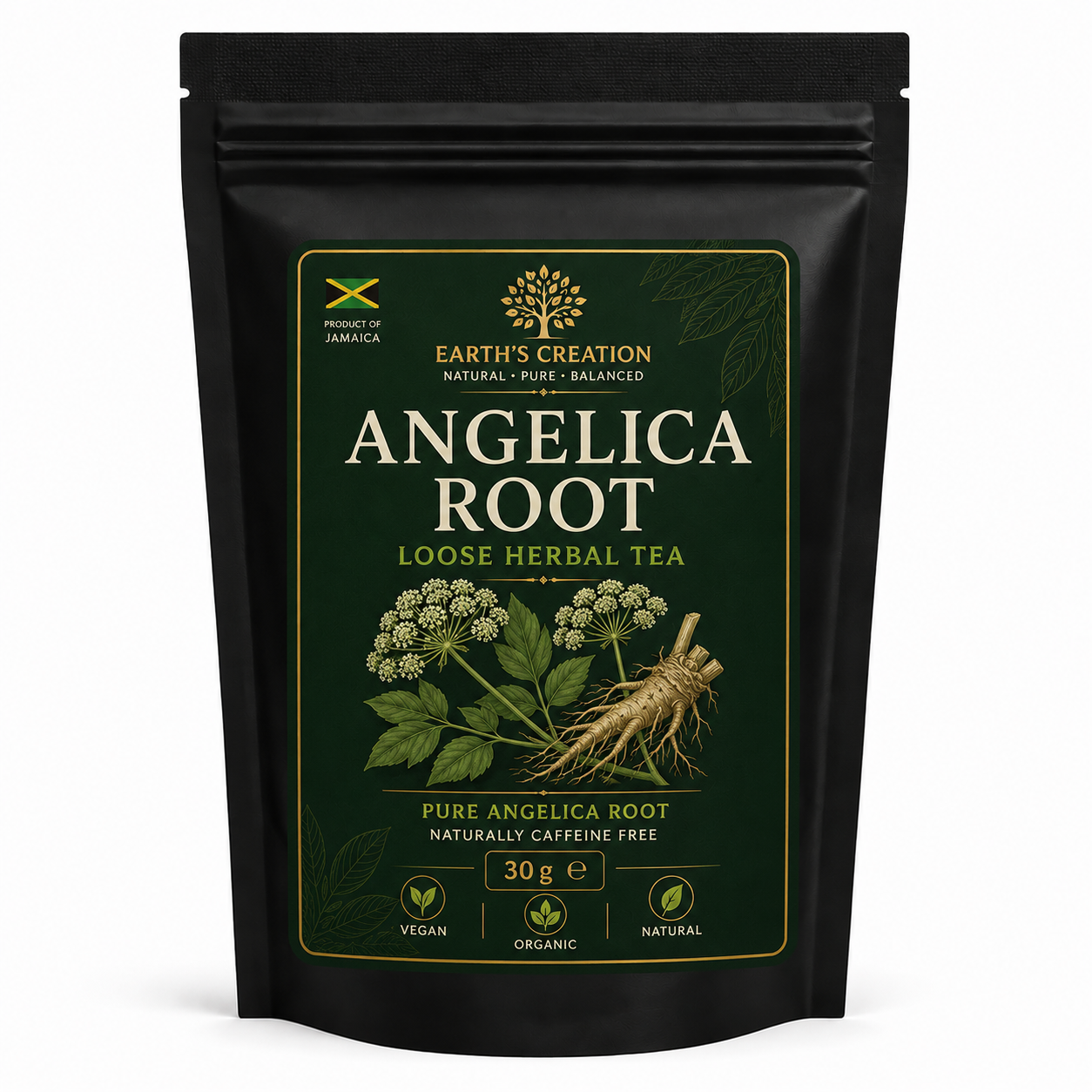
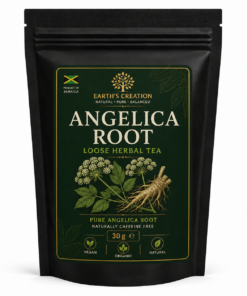
Angelica Root – Traditional Aromatic Herbal Root
Angelica Root is a traditional aromatic botanical with a long history of use in European herbal preparations. Commonly associated with Angelica archangelica, the plant belongs to the Apiaceae family and is recognised for its distinctive fragrance, tall flowering stems and substantial roots.
The root has been valued for generations and appears throughout European herbal traditions. Once harvested and carefully dried, it develops a characteristic aromatic, earthy and slightly bitter profile that distinguishes it from many other dried botanical roots.
For people interested in traditional European herbs, Angelica Root provides a fascinating addition to a varied collection of leaves, flowers, bark and roots.
What Is Angelica Root?
Angelica is a large herbaceous plant whose botanical name is Angelica archangelica. Different parts of the plant have historically been used, including the stems, seeds and roots.
The root is particularly well known within traditional herbal preparations.
Royal Botanic Gardens, Kew recognises Angelica archangelica as an accepted species within the Apiaceae family. Correct botanical identification is useful when buying traditional herbs because the name “angelica” can be associated with several related plants.
For example, Chinese angelica or Dong Quai usually refers to Angelica sinensis, which is a different species. Therefore, checking the botanical identity of an Angelica Root product helps ensure customers understand which herb they are purchasing.
Traditional European Herbal Use
Angelica has been associated with European herbal traditions for centuries.
Its naturally aromatic character made it useful in a variety of preparations, and the plant has also been used historically as a flavouring ingredient.
The European Medicines Agency has assessed Angelica archangelica root within its herbal medicines work. This provides useful independent information concerning the plant and its history of traditional use.
Traditional herbal history should not, however, be confused with proof that an ordinary dried-root product can diagnose, prevent or treat disease.
For a general botanical product, it is more appropriate to describe angelica’s history, characteristics and traditional preparations without making unnecessary medicinal promises.
Angelica Root for Herbal Preparations
One of the attractive characteristics of Angelica Root is its distinctive aroma.
Unlike some dried roots with predominantly earthy flavours, angelica combines earthy, aromatic and slightly bitter qualities. This gives it an individual character when incorporated into appropriate herbal preparations.
Roots are naturally tougher than leaves and flowers. For this reason, traditional root preparations may require a different method from a simple leaf infusion.
Always follow the preparation instructions supplied with the specific product rather than assuming that every dried botanical should be prepared in exactly the same way.
Angelica can also be thoughtfully combined with complementary botanicals where appropriate.
A Distinctive Botanical Heritage
The history of angelica extends beyond conventional herbal preparations.
Different parts of the plant have historically been incorporated into foods and flavouring preparations, helping make Angelica archangelica a particularly interesting European botanical.
The plant itself is impressive, producing tall stems and large flower clusters known as umbels. This flower structure is characteristic of many members of the Apiaceae family.
Its botanical relatives include familiar culinary plants such as parsley, celery, carrot and fennel, although each species has very different characteristics and uses.
Why Choose Angelica Root?
Angelica Root may appeal to people exploring traditional botanical ingredients because of its:
- Long history within European herbal traditions
- Distinctive aromatic character
- Botanical identity as Angelica archangelica
- Traditional dried-root format
- Suitability for appropriate herbal preparations
- Earthy and slightly bitter profile
- Interesting culinary and botanical heritage
- Ability to complement a varied herbal collection
Having individual dried botanicals also gives customers the opportunity to learn about each plant rather than relying exclusively on pre-mixed herbal formulas.
Angelica Root and Botanical Identification
Accurate botanical identification is especially important with angelica.
Angelica archangelica should not automatically be confused with Angelica sinensis, commonly known as Dong Quai or Chinese angelica.
Although both plants belong to the same genus, they are separate species with different traditional histories.
Using the scientific botanical name alongside the common product name helps customers research the correct plant and reduces confusion between related herbs.
This is one reason reputable botanical references such as Royal Botanic Gardens, Kew can be particularly useful when researching traditional plants.
Building a Traditional Herbal Collection
A varied botanical collection may contain leaves, roots, flowers, seeds and bark from many different herbal traditions.
Angelica provides an aromatic European root that can sit alongside other traditional botanical ingredients such as burdock and dandelion.
Explore our other traditional dried herbs and botanical products to expand your herbal collection.
Keeping different herbs individually also allows customers to appreciate differences in aroma, texture, appearance and botanical origin.
Important Information
Angelica Root should always be used according to the directions supplied with the product.
Botanical products are not automatically appropriate for everyone simply because they are natural. Anyone who is pregnant or breastfeeding, taking medication, living with a medical condition or uncertain whether angelica is suitable should obtain appropriate professional healthcare advice before use.
Members of the Angelica genus can contain naturally occurring furanocoumarins, compounds associated with increased sensitivity to ultraviolet light. Appropriate care should therefore be taken with preparations containing these compounds.
Herbal products should not be used as substitutes for prescribed medicines or necessary medical treatment.
Discover Traditional Angelica Root
With its aromatic character, European heritage and distinctive botanical identity, Angelica Root makes an interesting addition to a traditional herbal collection.
Whether you’re exploring dried roots for the first time or expanding an existing selection of botanical ingredients, angelica provides something noticeably different from many common herbal leaves and flowers.
Its history, aroma and connection with centuries of European botanical practice continue to make this traditional root a fascinating ingredient today.
Explore our other traditional dried herbs and botanical products to expand your herbal collection.
For independent botanical information about Angelica Root, see the Royal Botanic Gardens, Kew record for Angelica archangelica.
Only logged in customers who have purchased this product may leave a review.
Related products
All Products

Alkaline Herb Formulas


Reviews
There are no reviews yet.