

 ITAL LIFE
 EARTH’S CREATION
 NACHER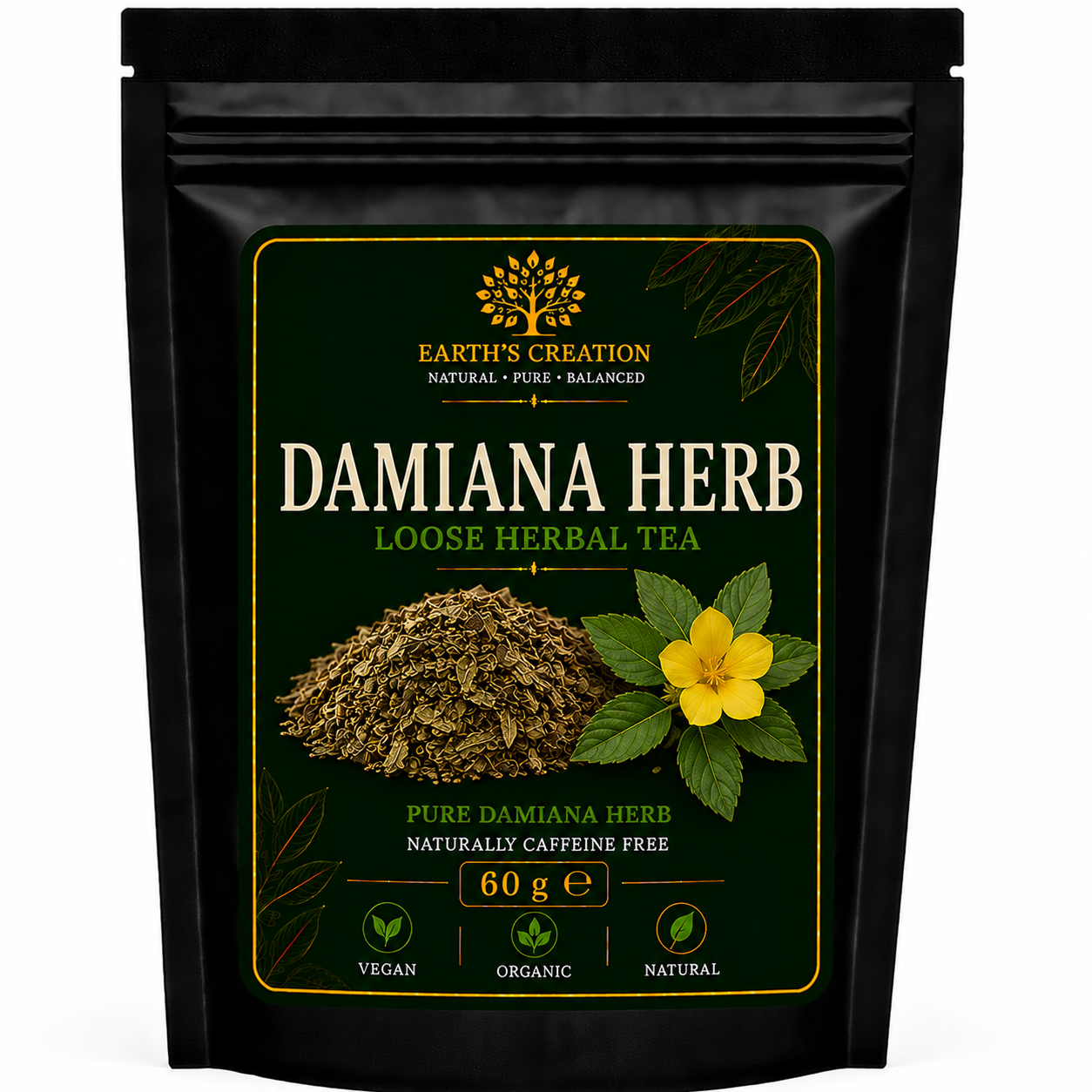
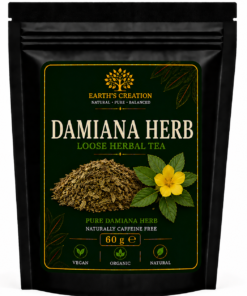
Damiana Herb – Traditional Aromatic Botanical
Damiana Herb is a distinctive aromatic botanical with a long history of traditional use in Mexico, Central America and surrounding regions. Commonly associated with Turnera diffusa, damiana is a small shrub recognised for its fragrant leaves and yellow flowers.
For generations, the leaves have formed part of regional herbal traditions and have been prepared in a variety of ways. Today, dried damiana remains popular among customers interested in traditional botanicals, aromatic herbs and plants with a rich cultural heritage.
Its naturally fragrant character makes the dried leaves noticeably different from earthy roots and woody bark, providing an interesting addition to a varied herbal collection.
What Is Damiana?
Damiana commonly refers to Turnera diffusa, a shrub belonging to the Passifloraceae family. It grows naturally in warm and relatively dry environments across parts of the Americas.
The leaves are the part most frequently associated with traditional herbal preparations. When dried, they retain a characteristic aroma and can be supplied as whole or cut botanical material.
Correct identification is useful because common plant names are not always precise. The scientific name Turnera diffusaprovides customers with a clearer reference when researching the botanical.
Traditional Uses of Damiana Herb
Damiana has a particularly interesting history in traditional Mexican and Central American herbal practices.
The leaves have historically been prepared as herbal infusions and other botanical preparations. Damiana also developed a traditional reputation as an aphrodisiac and became associated with vitality and sexual wellbeing in folk-herbal traditions.
Those historical associations explain much of the plant’s modern popularity. However, they should not be presented as proof that dried damiana can treat erectile dysfunction, infertility or another medical condition.
Traditional heritage and established medical evidence are not the same thing.
For a modern retail product, it is better to explain these historical associations accurately without promising particular health outcomes.
Damiana as an Herbal Tea
Dried damiana leaves have traditionally been used to prepare botanical infusions.
Unlike tough roots and bark, dried leafy herbs generally require less intensive preparation. The botanical material may be steeped according to the directions supplied with the particular product.
Its aromatic and slightly distinctive character can also make it an interesting ingredient in suitable herbal blends.
Customers should always follow the preparation directions provided with their product rather than using instructions intended for concentrated extracts, capsules or tinctures.
Turnera diffusa – Botanical Identity
The botanical name generally associated with damiana is Turnera diffusa.
Using this scientific name alongside the common product name helps customers identify the correct botanical and distinguish it from other plants that may occasionally be sold under similar regional names.
Damiana grows as a relatively small shrub and produces attractive yellow flowers. The leaves contain naturally occurring aromatic constituents responsible for much of the plant’s distinctive character.
Its geographical origins also distinguish it from many familiar European tea herbs.
A Traditional Botanical From the Americas
Many popular herbal products originate from European or Asian traditions. Damiana introduces a botanical strongly associated with Mexico, Central America and other parts of the Americas.
This regional heritage forms an important part of the plant’s identity.
Customers interested in traditional herbs may appreciate exploring botanicals from different cultures rather than limiting their collection to familiar ingredients such as chamomile and peppermint.
The history of damiana provides an excellent example of how local plants became incorporated into traditional herbal practices over generations.
Naturally Occurring Plant Compounds
Like other herbs, damiana contains a variety of naturally occurring botanical compounds.
Researchers have investigated different constituents of Turnera diffusa, and the plant continues to attract scientific interest because of its history of traditional use.
However, research involving laboratory experiments, isolated compounds or concentrated extracts should not automatically be interpreted as evidence that ordinary dried leaves provide the same effects.
This distinction allows customers to appreciate traditional botanical knowledge without turning preliminary scientific research into exaggerated health claims.
Why Choose Damiana?
This aromatic botanical may appeal to customers interested in:
- Traditional Mexican botanicals
- Central American herbal traditions
- Aromatic dried herbs
- Traditional herbal infusions
- Turnera diffusa
- Loose dried botanicals
- Historical herbal practices
- Individual herbal ingredients
Its aroma, geographical heritage and traditional history give it a distinctive character within a broad herbal range.
Building Your Herbal Collection
A varied botanical collection can contain aromatic leaves, delicate flowers, substantial roots and woody bark from many different herbal traditions.
Damiana provides an aromatic leafy ingredient with a particularly interesting history in the Americas.
Explore our Catnip Herb for another traditional aromatic botanical suitable for herbal preparations and blends.
Using individual botanicals also allows customers to learn about the origins, appearance and traditional history of each ingredient separately.
Responsible Herbal Use
Damiana Herb should be used according to the preparation and serving directions supplied with the product.
Anyone who is pregnant or breastfeeding, taking prescription medicines, managing an existing health condition or uncertain whether damiana is suitable should seek appropriate professional advice before use.
Particular caution is appropriate for people using medicines that affect blood glucose.
Herbal products should not replace prescribed medication or necessary medical care. Damiana should also not be marketed as a treatment for sexual dysfunction or another medical condition.
Discover Traditional Damiana
With its aromatic leaves, distinctive yellow flowers and longstanding association with traditional Mexican and Central American herbal practices, damiana offers something different from many familiar European botanicals.
Whether you’re exploring traditional herbs from the Americas or simply expanding a collection of dried botanical ingredients, this fascinating plant provides a combination of cultural heritage, botanical character and generations of traditional use.
Explore our Catnip Herb for another traditional aromatic botanical suitable for herbal preparations and blends.
Learn more about the botanical classification of Turnera diffusa through the Royal Botanic Gardens, Kew Plants of the World Online database.
Only logged in customers who have purchased this product may leave a review.
Related products


Alkaline Herb Formulas
Organ Cleanser Herbal Capsules | Natural Liver, Kidney & Digestive Support.



Alkaline Herb Formulas
BRAIN FOOD Herbal Capsules | Natural Memory, Focus & Cognitive Support

Alkaline Herb Formulas
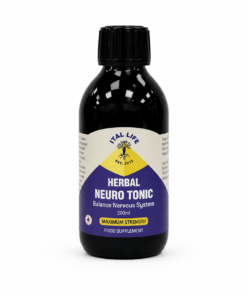

Alkaline Herb Formulas
Neuro Tonic Herbal Supplement | Natural Nervous System Support,


Alkaline Herb Formulas
Colon Cleanser Compound Herbal Capsules | Gut Cleanse & Bowel Wellness Formula

Alkaline Herb Formulas
Herbal Iron Compound Capsules, Natural Iron & Blood Support.
Reviews
There are no reviews yet.