

 ITAL LIFE
 EARTH’S CREATION
 NACHER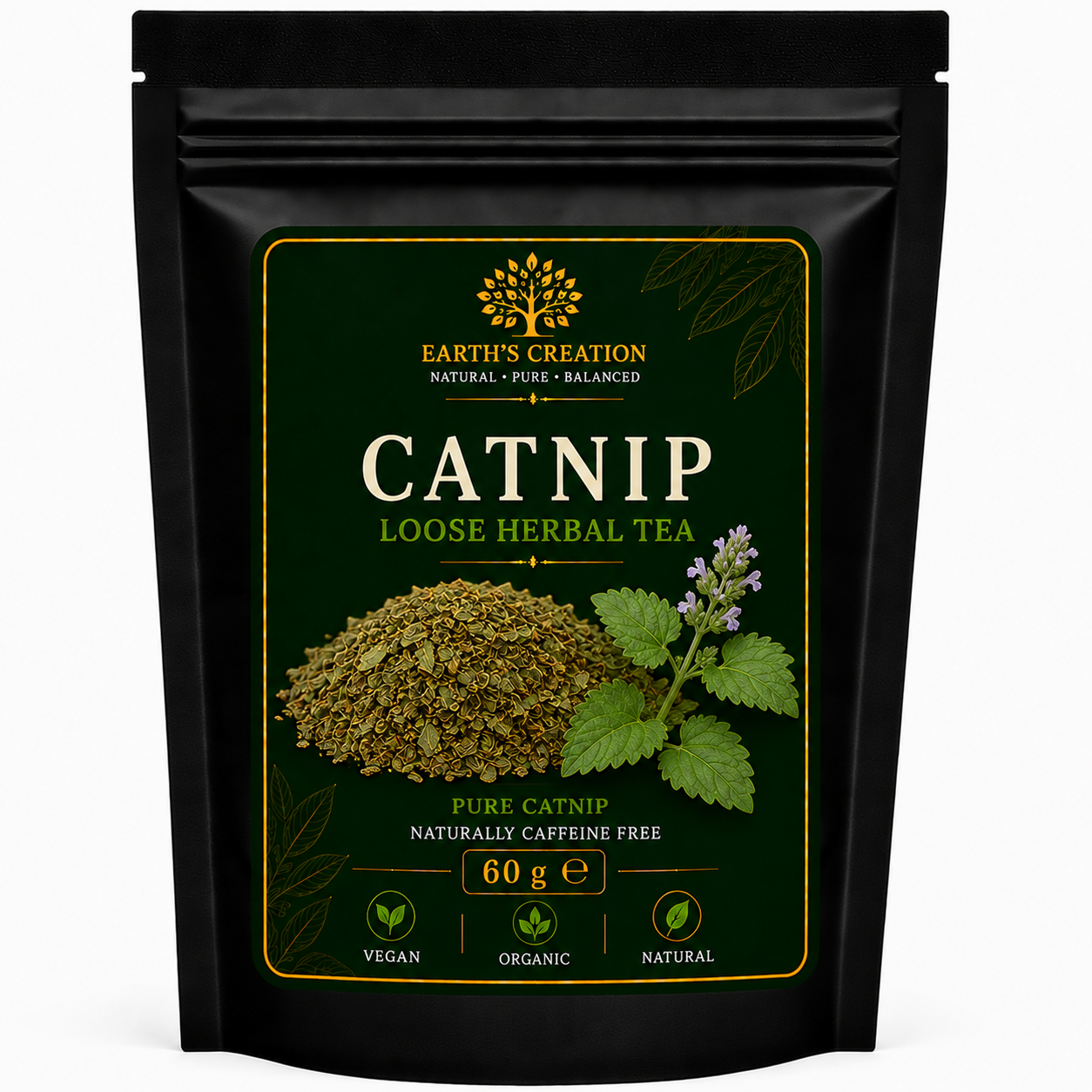
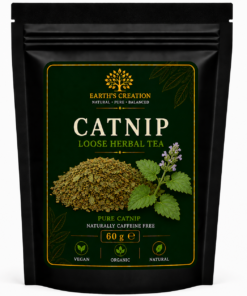
Catnip Herb – Traditional Aromatic Herbal Tea
Catnip Herb is an aromatic botanical with a long history of traditional herbal use. Best known by the botanical name Nepeta cataria, catnip belongs to the mint family and is recognised for its distinctive fragrance, soft leaves and traditional use in herbal tea preparations.
Although catnip is famously associated with cats, the herb also has a much older place in traditional human herbal practices. Dried catnip has historically been prepared as an infusion and combined with other aromatic herbs to create gentle herbal tea blends.
Its characteristic aroma and versatile nature make Catnip Herb an interesting addition to a home herbal collection.
What Is Catnip Herb?
Catnip Herb comes from Nepeta cataria, a perennial plant belonging to the Lamiaceae, or mint, family.
The plant produces grey-green leaves and small flowers and contains naturally occurring aromatic compounds responsible for its distinctive scent.
One of the best-known compounds associated with catnip is nepetalactone. This compound is particularly famous because of the behavioural response it can produce in many cats.
However, catnip has also been traditionally valued as a botanical ingredient for people, particularly in herbal infusions.
The dried aerial parts of the plant can be prepared alone or incorporated into suitable herbal blends.
Traditional Uses of Catnip Herb
Catnip has been part of European and North American folk-herbal traditions for generations.
Historically, Catnip Herb has been prepared as a warm herbal infusion and associated with relaxation and evening herbal routines.
Traditional herbalists have also used catnip in preparations associated with digestive comfort.
These historical uses help explain why catnip remains popular among people interested in traditional herbs. However, traditional use should not be interpreted as evidence that the herb can diagnose, prevent, treat or cure medical conditions.
For a retail herbal product, it is better to describe catnip’s traditional heritage without making unsupported medicinal promises.
Catnip Herb Tea
One of the simplest traditional ways of using dried catnip is as an herbal tea.
Its aromatic character makes it suitable for drinking on its own or combining with complementary herbs in carefully selected tea blends.
Customers interested in caffeine-free botanical infusions may appreciate catnip as an alternative to conventional black or green tea.
Preparation methods can vary depending on the particular product, so customers should always follow the directions supplied with their herb.
Catnip and the Mint Family
Catnip belongs to the same botanical family as many familiar aromatic herbs, including mint, lemon balm, rosemary, basil and lavender.
Members of this botanical family are well known for producing aromatic compounds that contribute to their characteristic fragrances.
Catnip’s fragrance is distinctive and immediately recognisable to many people.
Understanding its relationship to other members of the mint family also helps explain why dried catnip works naturally alongside other aromatic herbs in traditional botanical preparations.
Why Do Cats Like Catnip?
Catnip has an unusual relationship with domestic cats.
The plant contains nepetalactone, an aromatic compound that can trigger characteristic behaviour in genetically responsive cats. Some cats may roll, rub against the herb or become temporarily playful when exposed to its aroma.
Not every cat responds to catnip, and sensitivity is influenced by genetics and age.
This famous feline response sometimes overshadows the fact that Nepeta cataria has also been used historically by people as a traditional herbal ingredient.
If your product is specifically sold as a human food or herbal tea ingredient, keep your product directions consistent with that intended use.
A Versatile Traditional Botanical
Dried Catnip Herb can be a useful addition to a varied collection of traditional herbs.
It may particularly appeal to customers interested in:
- Traditional herbal teas
- Aromatic dried herbs
- Caffeine-free herbal infusions
- European herbal traditions
- Botanical tea ingredients
- Mint-family herbs
- Traditional botanical preparations
- Herbal tea blends
Its combination of botanical history and distinctive aromatic character makes catnip considerably more interesting than its reputation as simply “the herb cats like.”
Botanical Identity
The botanical name for catnip is Nepeta cataria.
Displaying the botanical name alongside the common name is useful because common plant names can sometimes vary between regions.
For customers researching herbs or comparing botanical ingredients, the Latin name provides much greater precision.
If the botanical name on your supplier documentation is Nepeta cataria, consider displaying it clearly within your product specifications.
Responsible Herbal Use
Herbal products should always be used according to the instructions provided with the individual product.
Pregnant or breastfeeding people, anyone taking medication, or people with existing medical conditions should seek appropriate professional advice before using herbal preparations when there is uncertainty about suitability.
Herbal ingredients should not be presented as substitutes for prescribed medicines or necessary medical treatment.
Discover Catnip Herb
With its unmistakable aroma, membership of the mint family and long history in traditional herbal preparations, Catnip Herb offers much more than its famous association with cats.
Whether you’re creating an herbal collection, exploring traditional tea ingredients or discovering aromatic botanicals, dried catnip provides a distinctive and versatile herb with generations of traditional use behind it.
Explore our other traditional aromatic herbs, including Boldo Leaf, to expand your herbal tea collection.
For further botanical information about Nepeta cataria, explore the Royal Botanic Gardens, Kew Plants of the World Online database.
Only logged in customers who have purchased this product may leave a review.
Related products

Alkaline Herb Formulas
Heart Support Herbal Capsules | Natural Cardiovascular & Circulation Support


Alkaline Herb Formulas
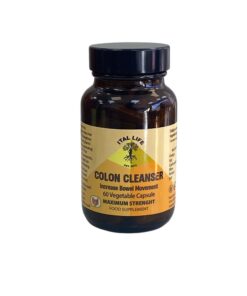
Colon Cleanser Compound Herbal Capsules | Gut Cleanse & Bowel Wellness Formula


Alkaline Herb Formulas
BRAIN FOOD Herbal Capsules | Natural Memory, Focus & Cognitive Support

Alkaline Herb Formulas
Herbal Iron Compound Capsules, Natural Iron & Blood Support.


Reviews
There are no reviews yet.