

 ITAL LIFE
 EARTH’S CREATION
 NACHER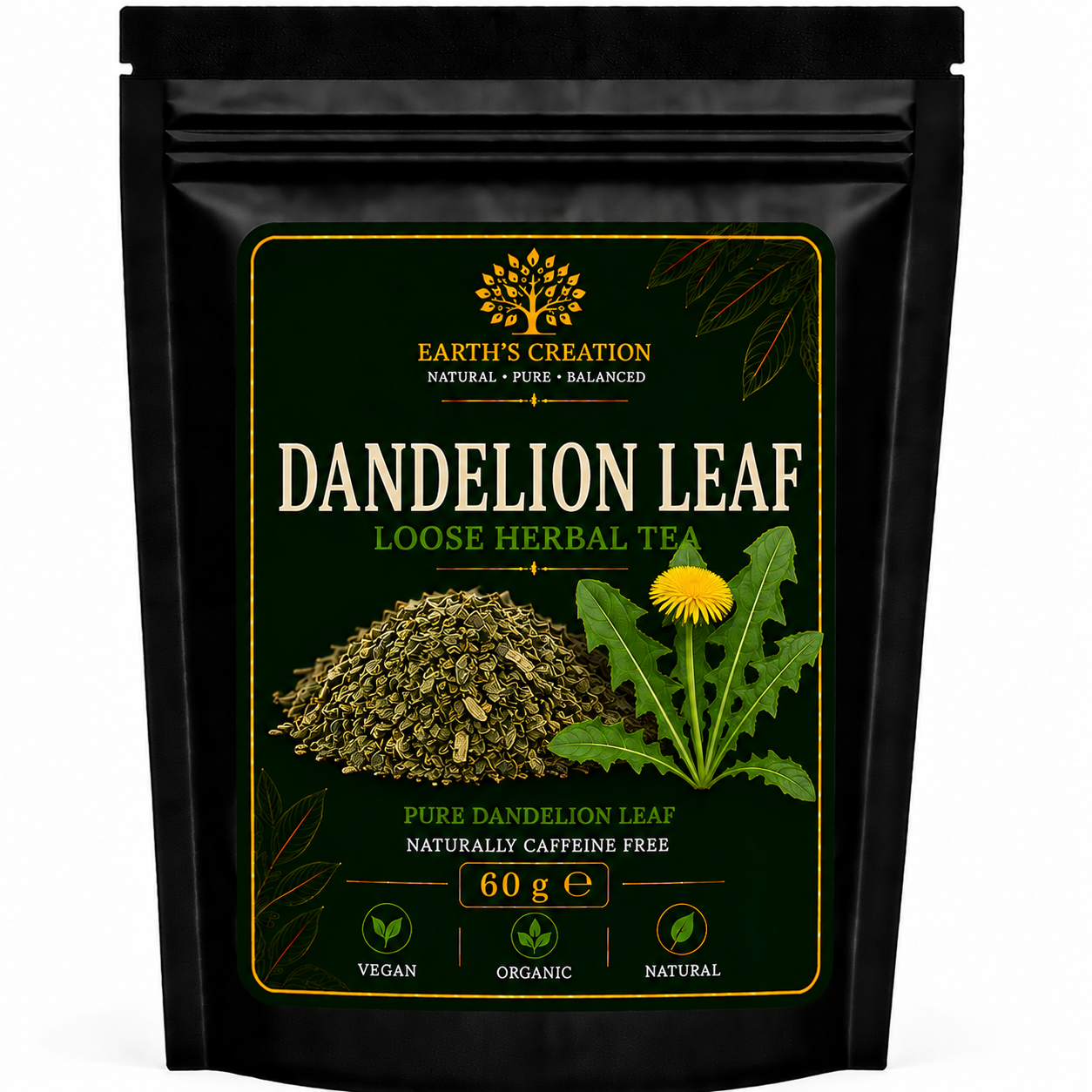
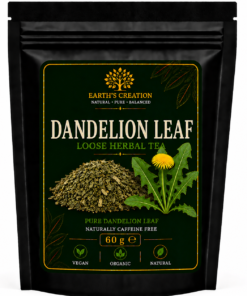
Dandelion Leaf – Traditional Green Botanical
Dandelion Leaf is a familiar traditional botanical obtained from Taraxacum officinale, one of the most recognisable flowering plants found across gardens, meadows and grasslands. Known for its bright yellow flowers and distinctive toothed leaves, dandelion has a remarkably long history in European herbal traditions.
Although many people think of dandelion simply as a common garden plant, different parts of the plant have been valued for generations. The leaves, roots and flowers have all appeared in traditional food and botanical practices.
Once harvested and carefully dried, the leaves provide a convenient ingredient for herbal infusions and appropriate botanical blends. Their characteristic green appearance and slightly bitter nature make them noticeably different from sweeter or strongly aromatic tea herbs.
What Is Dandelion?
The common dandelion is generally identified as Taraxacum officinale, a perennial plant belonging to the Asteraceae or daisy family.
It produces a rosette of deeply toothed leaves close to the ground. Bright yellow flower heads appear on hollow stems and eventually develop into the familiar spherical seed heads that disperse in the wind.
Dandelion is remarkably adaptable and has become established throughout many temperate regions.
Its familiarity can sometimes disguise just how interesting the plant is botanically. What appears to be one yellow flower is actually a flower head composed of numerous individual florets.
Traditional Uses of Dandelion Leaf
Dandelion Leaf has a long history within European folk-herbal traditions and has also been used as a food plant.
Young leaves have traditionally been incorporated into salads and other dishes, while dried leaves have been used in botanical preparations and herbal infusions.
The leaves have also historically been associated with digestive and urinary herbal traditions.
These historical uses are part of dandelion’s botanical heritage. They should not be interpreted as proof that an ordinary dried-leaf product can diagnose, prevent, treat or cure a medical condition.
For a modern retail listing, the plant’s extensive history and versatility provide plenty of useful information without relying on exaggerated health claims.
Dandelion Leaf Herbal Tea
Dried dandelion leaves can be used in appropriate herbal infusions.
Their flavour is characteristically green and somewhat bitter, providing something quite different from floral botanicals such as chamomile.
Because leaves are softer than woody bark and substantial roots, their preparation may also differ from products such as dandelion root.
Customers should follow the preparation instructions supplied with the particular product rather than assuming that the leaf and root are interchangeable.
The dried leaves may also be combined thoughtfully with complementary botanicals in suitable herbal blends.
Dandelion Leaf and Dandelion Root
It is useful to distinguish between dandelion leaf and dandelion root.
Although both come from the same plant, they are different botanical ingredients.
The leaf consists of the green aerial foliage, while the root develops beneath the soil and has a substantially different appearance, texture and traditional preparation.
Dandelion root is also sometimes roasted and used to make a dark beverage, whereas dried leaves are more commonly associated with green herbal infusions.
Keeping these products clearly identified helps customers choose the plant part they actually want.
Taraxacum officinale – Botanical Identity
The botanical name commonly associated with dandelion is Taraxacum officinale.
Providing the scientific name alongside the common product name gives customers a useful reference when researching the herb.
Dandelion belongs to the same broad botanical family as familiar plants such as chamomile, calendula and burdock.
Despite being frequently regarded as a weed, it has a surprisingly extensive cultural, culinary and botanical history.
A Familiar but Fascinating Botanical
Few plants are as immediately recognisable as dandelion.
Its yellow flowers transform into delicate spherical seed heads, with individual seeds carried away by their parachute-like structures.
For generations, children have blown these seed heads into the wind, helping make dandelion part of everyday culture as well as botanical tradition.
Its widespread presence also demonstrates that interesting traditional herbs do not always need to be exotic or difficult to find.
Sometimes the most familiar plants have the longest stories.
Why Choose Dried Dandelion Leaf?
This traditional botanical may appeal to customers interested in:
- Traditional European herbs
- Green leafy botanicals
- Herbal tea ingredients
- Naturally caffeine-free infusions
- Taraxacum officinale
- Slightly bitter herbal teas
- Loose dried herbs
- Traditional botanical preparations
The leafy format also provides an interesting contrast to dried roots, bark and flowers within a varied herbal collection.
Building Your Herbal Collection
A diverse collection of traditional botanicals can contain ingredients from many different plant families and regions.
Dandelion provides a familiar European leafy herb that can sit alongside aromatic flowers, roots and other traditional botanicals.
Explore our Burdock Root for another traditional member of the daisy family with a long history of botanical use.
Keeping herbs individually also allows customers to appreciate differences between plant parts, flavours and traditional preparations.
Responsible Herbal Use
Dandelion Leaf should be used according to the directions supplied with the particular product.
People with allergies to members of the Asteraceae family should exercise appropriate caution.
Anyone who is pregnant or breastfeeding, taking prescription medication, managing an existing medical condition or uncertain whether dandelion is suitable should seek professional healthcare advice before use.
Particular care may be appropriate for people taking diuretic medicines or other medication where changes in fluid balance could be relevant.
Herbal products should not replace prescribed medicines or necessary medical treatment.
Discover Traditional Dandelion
From its unmistakable yellow flowers to its delicate windblown seeds, dandelion is one of the world’s most familiar plants.
Yet behind that familiarity lies a fascinating history of culinary and traditional botanical use.
Whether you’re exploring traditional herbal teas or expanding an established botanical collection, dried dandelion leaves provide a simple and versatile way to discover another side of this remarkable everyday plant.
Explore our Burdock Root for another traditional member of the daisy family with a long history of botanical use.
Learn more about the botanical classification of Taraxacum officinale through the Royal Botanic Gardens, Kew Plants of the World Online database.
Only logged in customers who have purchased this product may leave a review.
Related products


Alkaline Herb Formulas

Alkaline Herb Formulas
BRAIN FOOD Herbal Capsules | Natural Memory, Focus & Cognitive Support
Alkaline Herb Formulas

Alkaline Herb Formulas
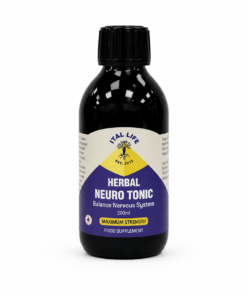
Neuro Tonic Herbal Supplement | Natural Nervous System Support,

Alkaline Herb Formulas
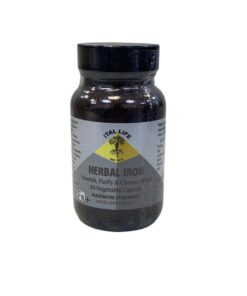
Herbal Iron Compound Capsules, Natural Iron & Blood Support.
Reviews
There are no reviews yet.