

 ITAL LIFE
 EARTH’S CREATION
 NACHER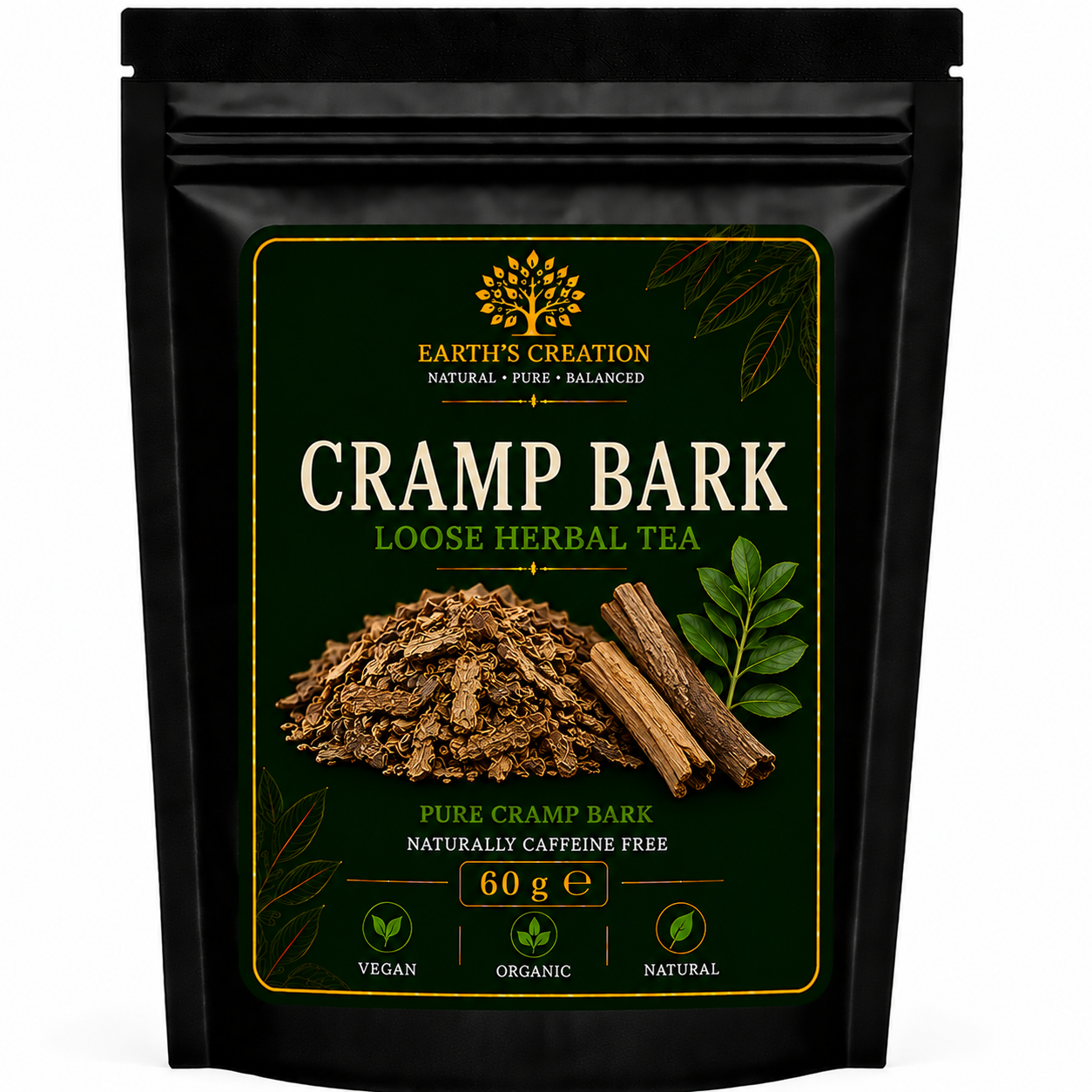
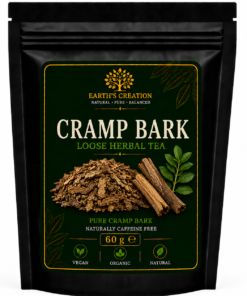
Cramp Bark is a traditional botanical obtained from Viburnum opulus, a deciduous shrub with a long history in European herbal traditions. Also commonly known as guelder rose, the plant is recognised for its clusters of white flowers, bright red berries and distinctive bark.
The bark has historically been collected and prepared as a botanical ingredient. Once appropriately harvested and dried, it has a woody appearance and characteristic natural aroma that distinguish it from dried leaves, flowers and roots.
For customers interested in traditional European botanicals, dried cramp bark provides an opportunity to explore a plant with an interesting history and distinctive botanical identity.
What Is Cramp Bark?
Cramp Bark is commonly associated with Viburnum opulus, a species belonging to the Adoxaceae family.
The plant grows as a shrub or small tree and is found across a wide geographical range. It is also cultivated ornamentally because of its attractive flowers and colourful berries.
Its common name, cramp bark, reflects historical herbal traditions surrounding the plant. However, a traditional common name should not be interpreted as proof that an ordinary dried-bark product will treat cramps or another medical condition.
Using the scientific name Viburnum opulus alongside the product name gives customers a more precise way of identifying the botanical they are purchasing.
Traditional Uses of Cramp Bark
The bark has a long-established place within folk-herbal practices.
Historically, preparations made from Viburnum bark became associated with muscular comfort and women’s traditional herbal practices. This historical background is responsible for much of the botanical’s modern reputation.
Traditional use, however, is different from established clinical evidence.
A dried botanical should therefore be described carefully rather than advertised as a medicine for menstrual cramps, muscle spasms or another health condition.
Customers experiencing severe, unexplained or persistent pain should obtain appropriate medical advice rather than relying solely on traditional herbal preparations.
Viburnum opulus – Botanical Identity
The botanical name commonly associated with European cramp bark is Viburnum opulus.
It is also widely known as guelder rose.
Botanical identification matters because other members of the Viburnum genus have also appeared in traditional herbal literature. In particular, Viburnum prunifolium, commonly called black haw, is a separate species and should not automatically be confused with cramp bark.
If your supplier documentation identifies your product as Viburnum opulus, displaying this scientific name prominently gives customers useful additional information.
A Distinctive European Botanical
One of the interesting features of cramp bark is the plant from which it originates.
Guelder rose produces attractive clusters of flowers followed by striking red fruits. Its ornamental appearance means many people may recognise the plant without realising that its bark also has a history within traditional herbal practice.
The dried bark itself looks very different from the living shrub. Its woody texture and natural colour make it a distinctive addition to a collection containing softer leaves and flowers.
Preparing Dried Botanical Bark
Bark is naturally tougher than most dried leaves and flowers.
Traditional bark preparations have therefore often involved different preparation methods from ordinary herbal infusions. Woody botanicals may historically have been prepared as decoctions, where the material is gently simmered rather than simply steeped briefly.
However, customers should follow the preparation directions supplied with the specific product.
Instructions intended for concentrated extracts, tinctures or capsules should not automatically be applied to ordinary dried bark.
Understanding Traditional Herbal Claims
The name Cramp Bark itself can easily encourage medicinal assumptions.
It is therefore important to distinguish between the plant’s historical reputation and claims that can responsibly be made for a modern retail product.
Traditional herbal knowledge provides fascinating information about how plants have been used by different cultures, but historical use alone does not demonstrate that a botanical can diagnose, prevent, treat or cure disease.
This product is best presented through its botanical identity, traditional heritage and characteristics rather than exaggerated medical promises.
Why Choose Cramp Bark?
This traditional botanical may interest customers exploring:
- Traditional European herbs
- Dried botanical bark
- Viburnum opulus
- Guelder rose
- Historical herbal traditions
- Women’s traditional botanicals
- Individual dried herbal ingredients
- Traditional botanical preparations
Its unusual bark form provides something different from the roots, flowers and leafy herbs found in many botanical collections.
Building Your Herbal Collection
A diverse botanical collection can include different plant parts from a variety of herbal traditions.
Cramp bark introduces a woody European botanical alongside more familiar dried leaves, roots and flowers.
Explore our other traditional botanicals, including Burdock Root, to discover more distinctive dried herbal ingredients.
Individual botanicals also make it easier for customers to identify exactly what they are purchasing and research the history of each plant independently.
Important Information
Cramp Bark should always be used according to the directions supplied with the particular product.
Pregnant or breastfeeding people should seek professional healthcare advice before using herbal preparations. Anyone taking medication, managing an existing medical condition or uncertain whether this botanical is suitable should also consult an appropriately qualified healthcare professional.
Customers experiencing persistent or severe menstrual pain, abdominal pain or muscular cramps should seek medical advice because these symptoms can have causes requiring appropriate diagnosis and treatment.
Traditional herbal products should never replace prescribed medication or necessary medical care.
Discover Traditional Cramp Bark
With its distinctive woody character, European botanical heritage and long association with traditional herbal practices, Cramp Bark makes an interesting addition to a varied botanical collection.
Whether you already know the plant as guelder rose or are discovering Viburnum opulus for the first time, this dried bark offers an opportunity to explore a botanical with generations of traditional history.
Explore our Burdock Root for another traditional dried botanical with a long history of herbal use.
Learn more about the botanical classification of Viburnum opulus through the Royal Botanic Gardens, Kew Plants of the World Online database.
Only logged in customers who have purchased this product may leave a review.
Related products

Alkaline Herb Formulas
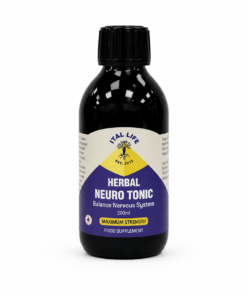
Neuro Tonic Herbal Supplement | Natural Nervous System Support,
Alkaline Herb Formulas
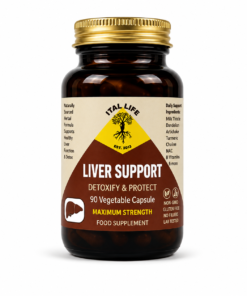
Liver Support Herbal Capsules | Natural Liver, Bile & Digestive Support | Plant-Based Herbal Formula

Alkaline Herb Formulas
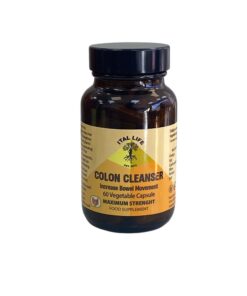
Colon Cleanser Compound Herbal Capsules | Gut Cleanse & Bowel Wellness Formula


Alkaline Herb Formulas
VEGE-INSULIN Herbal Capsules | Natural Blood Sugar & Pancreas Support.

Alkaline Herb Formulas
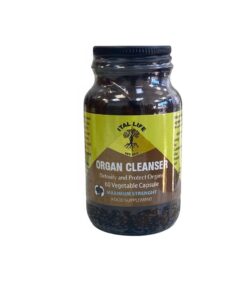
Organ Cleanser Herbal Capsules | Natural Liver, Kidney & Digestive Support.
Reviews
There are no reviews yet.