

 ITAL LIFE
 EARTH’S CREATION
 NACHER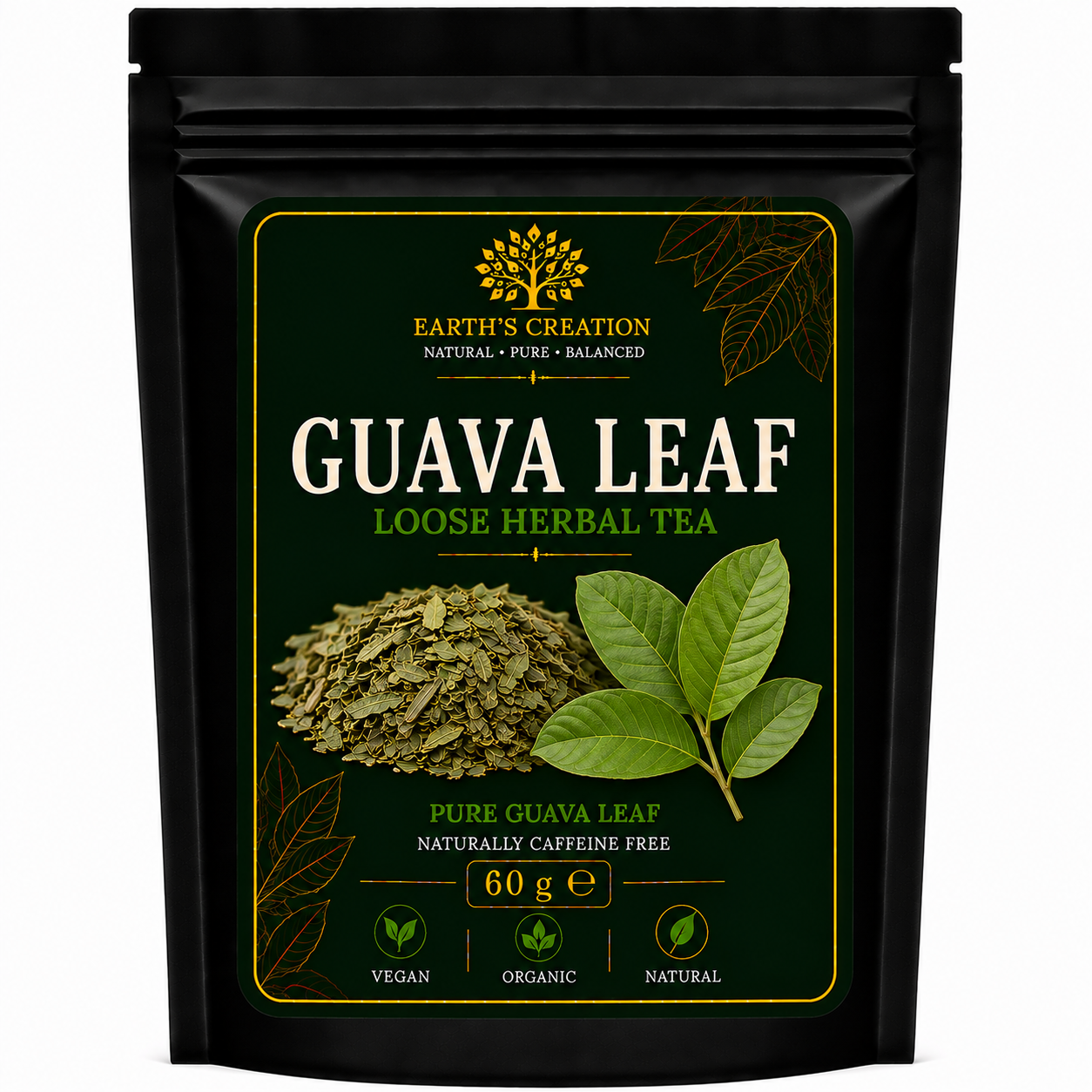
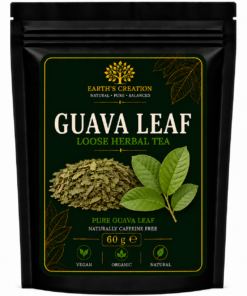
Guava Leaf – Powerful Traditional Tropical Herb
Guava Leaf comes from Psidium guajava, the tropical evergreen plant best known for producing the fragrant guava fruit. Native to tropical America, guava has spread throughout warm regions of the Caribbean, Africa, Asia and beyond, becoming an important fruit tree as well as a plant with a long history in traditional botanical practices.
Although the fruit receives most of the attention, the leaves have also been valued for generations. Once appropriately harvested and dried, they provide a distinctive green botanical material suitable for traditional preparations and herbal infusions.
For customers interested in Caribbean herbs, tropical botanicals and individual dried leaves, guava provides a familiar plant with a surprisingly extensive botanical heritage.
What Is Guava Leaf?
Guava Leaf is obtained from Psidium guajava, a member of the Myrtaceae family.
This botanical family also contains several other aromatic tropical and subtropical plants.
The guava tree or shrub produces oval green leaves, attractive flowers and the familiar edible fruit. Depending on the variety, guava fruits can differ considerably in size, shape, skin colour and flesh colour.
The leaves are a completely separate botanical ingredient from the fruit and develop their own characteristic aroma and flavour when dried.
Using the scientific name Psidium guajava on your product page gives customers a precise way to identify the plant.
Traditional Uses of Guava Leaf
The leaves of the guava plant have a long history within traditional practices across tropical regions.
They have been incorporated into botanical preparations in the Caribbean, Latin America, Asia and other parts of the world where guava grows.
Traditional accounts frequently associate the leaves with digestive and general wellness preparations.
However, traditional history should not be converted into promises that an ordinary dried botanical can treat diarrhoea, diabetes, infections, high blood pressure or another medical condition.
Research continues into different guava preparations, but findings involving extracts, isolated compounds or laboratory studies cannot automatically be applied to an ordinary packet of dried leaves.
Guava Leaf Herbal Tea
Dried leaves have traditionally been prepared as herbal infusions in various cultures.
Compared with tough bark or substantial roots, leafy botanical material generally has a softer structure and can be prepared according to the directions supplied with the particular product.
The resulting herbal infusion has its own characteristic botanical flavour, making guava an interesting alternative to more familiar European tea herbs.
Customers may enjoy exploring it individually or as part of suitable botanical blends.
Preparation instructions should always be followed carefully, particularly because loose dried leaves, powders, capsules and concentrated extracts are different products.
Psidium guajava – Botanical Identity
The botanical name of common guava is Psidium guajava.
Accurate botanical identification is useful because common names can sometimes vary between countries and communities.
Guava is widely cultivated throughout tropical and subtropical regions, which means customers from different cultural backgrounds may already recognise the plant.
The leaves have prominent veins and a characteristic oval shape when fresh, while dried material naturally changes in colour and texture during processing.
Natural variations in the appearance of dried botanical material are normal.
A Botanical With Tropical Heritage
One of the most interesting aspects of guava is how widely the plant has travelled.
Although originating in tropical America, it has become established throughout many warm parts of the world.
Guava is particularly familiar across the Caribbean, where both the fruit and plant have become incorporated into regional food and botanical culture.
It is also widely grown throughout tropical Asia, Africa and the Pacific.
This extensive distribution means traditional knowledge surrounding the plant can differ considerably between regions.
Rather than belonging to only one modern herbal tradition, guava has developed a genuinely international botanical history.
Naturally Occurring Plant Compounds
Like other green botanicals, guava leaves naturally contain a complex mixture of plant compounds.
Researchers have investigated constituents including flavonoids, tannins and other naturally occurring phytochemicals.
These studies contribute to scientific understanding of Psidium guajava, but laboratory findings should not automatically become health claims for ordinary dried material.
The composition of a botanical product can vary depending on growing conditions, harvest, processing and preparation.
A concentrated extract can also differ substantially from a simple dried leaf.
This distinction is important when customers encounter strong health claims about guava products online.
Guava Leaf and Guava Fruit
Although they originate from the same plant, the leaf and fruit are very different products.
Guava fruit is widely eaten as food and is appreciated for its characteristic flavour and aroma.
The leaves are botanical material with their own history of traditional preparation.
Customers should therefore not assume that nutritional information for fresh guava fruit applies directly to dried leaves.
Separating these two plant materials provides a clearer and more accurate understanding of what the herbal product actually contains.
Why Choose Guava Leaf?
This traditional tropical botanical may appeal to customers interested in:
- Caribbean herbal traditions
- Tropical dried botanicals
- Psidium guajava
- Traditional herbal teas
- Dried botanical leaves
- Tropical American plants
- Individual dried herbs
- Caribbean botanical collections
- Traditional plant preparations
Its tropical origins make it an interesting contrast to many familiar European herbal teas.
Explore More Caribbean Botanicals
A diverse botanical collection can contain plants associated with many regions and cultural traditions.
Guava provides a familiar tropical ingredient with strong connections to Caribbean plant culture.
Explore our Cerasee Bush for another traditional Caribbean botanical with generations of Jamaican herbal heritage.
This gives customers a relevant route to another product within your Caribbean herbal collection.
Responsible Use of Guava Leaf
Guava Leaf should be used according to the preparation and serving instructions supplied with the particular product.
Anyone who is pregnant or breastfeeding, taking prescription medication, managing an existing medical condition or uncertain whether guava preparations are suitable should seek appropriate professional healthcare advice.
People taking medication for blood glucose management should be particularly cautious about combining herbal preparations with their treatment without professional advice.
Customers experiencing persistent digestive problems or other concerning symptoms should obtain appropriate medical assessment.
Herbal products should not replace prescribed medicines or necessary medical care.
Discover Traditional Guava
With its tropical origins, worldwide cultivation and generations of botanical history, Guava Leaf offers customers another way to discover the remarkable Psidium guajava plant beyond its familiar fruit.
Its connection with Caribbean and tropical botanical traditions makes the dried leaves particularly interesting for customers exploring plants from warmer regions of the world.
Whether you’re building a Caribbean herbal collection or simply discovering traditional tropical botanicals, guava provides a distinctive combination of cultural history and botanical character.
Explore our Cerasee Bush for another traditional Caribbean botanical with generations of Jamaican herbal heritage.
Learn more about the botanical classification of Psidium guajava through the Royal Botanic Gardens, Kew Plants of the World Online database.
Only logged in customers who have purchased this product may leave a review.
Related products

Support Packs
Alkaline Herb Formulas
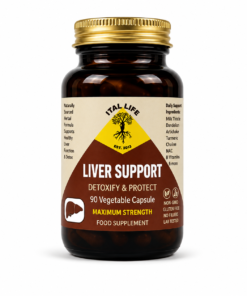
Liver Support Herbal Capsules | Natural Liver, Bile & Digestive Support | Plant-Based Herbal Formula

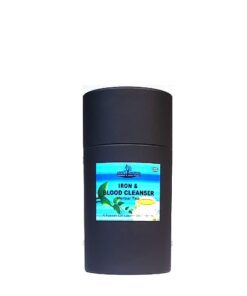
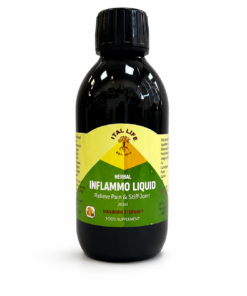
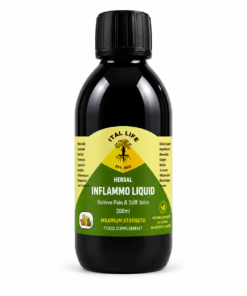
Alkaline Herb Formulas
Inflammo Liquid Herbal Tonic | Joint, Inflammation & Mobility Support | Plant-Based Herbal Formula
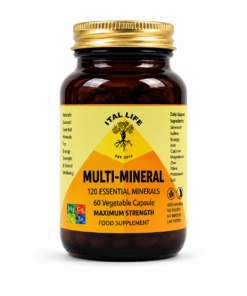
Alkaline Herb Formulas
Multi-Mineral Herbal Capsules | Natural Mineral & Trace Element Support, and Wellness Formula


Alkaline Herb Formulas
Clear Sight Herbal Capsules | Natural Eye Health & Vision Support.
Reviews
There are no reviews yet.