

 ITAL LIFE
 EARTH’S CREATION
 NACHER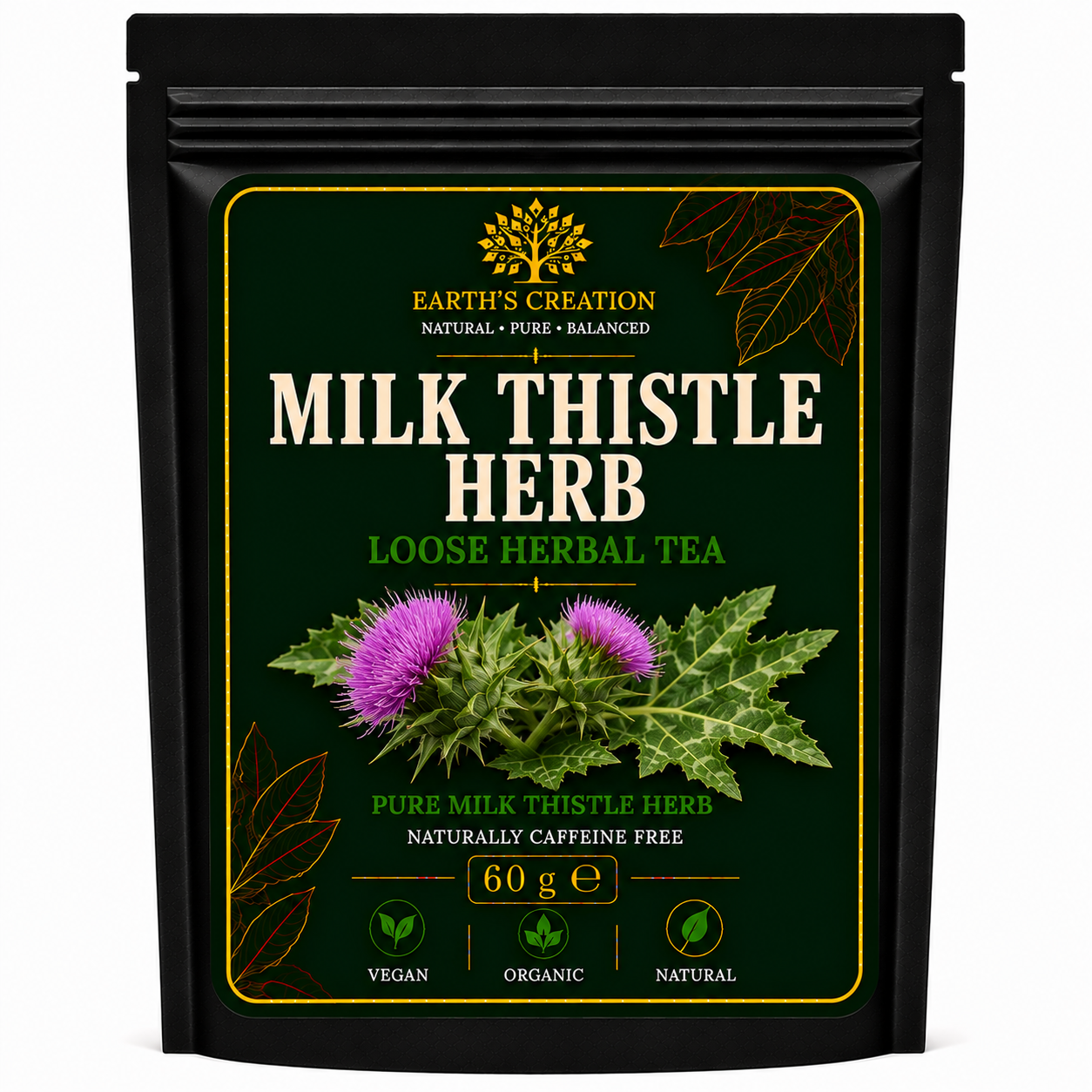
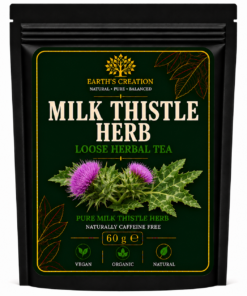
Milk Thistle Herb – Powerful Traditional Botanical
Milk Thistle Herb comes from Silybum marianum, a striking flowering plant recognised by its spiny leaves, distinctive white marbling and bright purple flower heads. The plant has a long history within European and Mediterranean botanical traditions and remains one of the most recognisable members of the thistle family.
Milk thistle belongs to the Asteraceae family, which also includes familiar botanicals such as dandelion, chamomile, calendula and echinacea. The plant’s unusual foliage makes it particularly easy to recognise when growing, while its historical reputation has helped it become internationally known.
Different parts of milk thistle can be sold commercially, so it is important to distinguish dried aerial herb from the fruits commonly marketed as milk thistle seeds.
For customers interested in traditional European botanicals, unusual dried herbs and plants with centuries of cultural history, milk thistle makes a fascinating addition to a botanical collection.
What Is Milk Thistle Herb?
Milk Thistle Herb is obtained from Silybum marianum.
The plant develops large green leaves marked with distinctive pale or white veins. According to traditional stories surrounding the plant, these milky-looking markings contributed to its familiar English name.
As the plant matures, it produces striking purple flower heads surrounded by sharp, spiny structures.
Milk thistle is associated particularly with Mediterranean and European regions but has been introduced to numerous other parts of the world.
Its ability to grow in disturbed ground has also allowed it to become naturalised well beyond its original geographical range.
Milk Thistle Herb and Milk Thistle Seed
This distinction is important for your product page.
Milk Thistle Herb and milk thistle seed are not exactly the same botanical material.
Commercial supplements and many scientific studies concerning milk thistle focus on the plant’s fruits, commonly called seeds.
These fruits contain a mixture of naturally occurring compounds collectively known as silymarin.
If your 60g product contains the dried aerial portions rather than seeds, we should not describe it as though it were a concentrated silymarin supplement.
That distinction makes the listing more accurate and prevents research concerning standardised seed extracts from being incorrectly applied to loose dried herb.
Traditional Uses of Milk Thistle
Milk thistle has been known within European herbal traditions for generations.
Historically, the plant became particularly associated with preparations concerning the liver and digestion.
That reputation continues today, and milk thistle products are frequently promoted online using strong phrases such as “liver detox” or “liver cleanse.”
Those claims need to be handled carefully.
An ordinary dried botanical should not be advertised as detoxifying the liver, reversing liver damage or treating conditions such as hepatitis, fatty liver disease or cirrhosis.
People concerned about liver health should obtain appropriate medical assessment rather than relying on an herbal product.
Silybum marianum – Botanical Identity
The accepted botanical name associated with milk thistle is Silybum marianum.
Using this scientific name alongside Milk Thistle Herb gives customers a precise botanical reference.
The plant belongs to the Asteraceae family and is closely related botanically to many familiar flowering herbs.
Scientific identification is especially useful with plants called “thistles” because the common word is applied to numerous spiny plants belonging to different genera.
Using Silybum marianum removes that ambiguity.
What Is Silymarin?
One of the terms customers are most likely to encounter when researching milk thistle is silymarin.
Silymarin describes a mixture of naturally occurring flavonolignans associated primarily with the plant’s fruits.
Standardised commercial milk thistle extracts may be manufactured to contain particular amounts of these constituents.
This is very different from simply selling dried aerial plant material.
A research study involving a concentrated, standardised preparation should therefore not automatically be interpreted as evidence that Milk Thistle Herb provides an equivalent amount or effect.
Making this distinction gives customers more accurate information than simply repeating claims commonly found on supplement websites.
A Distinctive Mediterranean Botanical
Milk thistle’s appearance makes it one of the more visually memorable traditional herbs.
Its broad leaves contain striking white markings, while the flowering plant develops colourful purple heads surrounded by sharp structures.
The contrast between the green, white and purple portions gives the living plant considerable ornamental character.
Once harvested and dried, the material naturally changes in colour and texture.
Variations in the appearance of dried botanical ingredients are normal and can depend on growing conditions, harvesting and processing.
Traditional Herbal Preparations
Different portions of milk thistle have historically been incorporated into botanical preparations.
Because plant parts differ, preparation instructions should correspond to the actual material being sold.
Dried aerial herb, whole fruits or seeds, powders, tinctures and concentrated extracts should not automatically be treated as interchangeable.
Customers should therefore follow the directions provided specifically with the product they have purchased.
Only material confirmed by the supplier as food grade and suitable for consumption should be promoted for herbal tea or culinary preparation.
Milk Thistle and Modern Research
Milk thistle has attracted considerable scientific interest, particularly because of the compounds found within its fruits.
Researchers continue to investigate different preparations and their potential biological properties.
However, scientific interest does not establish that every milk thistle product can prevent or treat liver disease.
The composition, dosage and manufacturing process of a studied extract may differ considerably from loose botanical material.
Responsible herbal retailing means accurately describing the product customers actually receive rather than borrowing claims from unrelated formulations.
Why Choose Milk Thistle Herb?
This traditional botanical may appeal to customers interested in:
- Traditional European herbs
- Mediterranean botanicals
- Silybum marianum
- Dried aerial herbs
- Historical herbal traditions
- Individual botanical ingredients
- Members of the daisy family
- Traditional botanical collections
- Unusual flowering plants
Its distinctive appearance and extensive herbal history make milk thistle particularly interesting.
Explore More Traditional Botanicals
A varied herbal collection can contain plants from the same botanical family while offering dramatically different appearances and histories.
Milk thistle belongs to the Asteraceae family alongside several other familiar traditional herbs.
Explore our Dandelion Root for another traditional member of the daisy family with generations of European herbal heritage.
This gives customers a relevant internal product connection without forcing an unrelated link into the description.
Responsible Use of Milk Thistle Herb
Milk Thistle Herb should be used according to the preparation and serving directions supplied with the particular product.
People with allergies to members of the Asteraceae family should exercise appropriate caution.
Anyone who is pregnant or breastfeeding, taking prescription medication, managing liver disease or another existing medical condition should seek appropriate professional healthcare advice before using herbal preparations.
Customers already receiving treatment for a liver condition should not stop or alter prescribed medication in favour of milk thistle without speaking with an appropriate healthcare professional.
Herbal products should not replace prescribed medicines or necessary medical care.
Discover Traditional Milk Thistle
With its beautifully marbled foliage, striking purple flowers and centuries of European and Mediterranean botanical history, Milk Thistle Herb is a distinctive addition to a traditional herbal collection.
Its botanical identity as Silybum marianum also helps customers distinguish the plant itself from the concentrated seed extracts commonly encountered in modern supplements.
Whether you’re exploring Mediterranean botanicals or expanding a collection of traditional dried herbs, milk thistle offers an interesting combination of botanical character, cultural history and generations of herbal interest.
Explore our Dandelion Root for another traditional member of the daisy family with generations of European herbal heritage.
Learn more about the botanical classification of Silybum marianum through the Royal Botanic Gardens, Kew Plants of the World Online database.
Only logged in customers who have purchased this product may leave a review.
Related products
Alkaline Herb Formulas
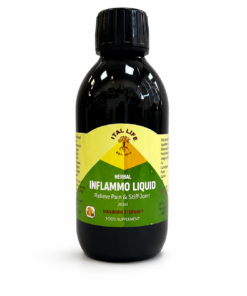
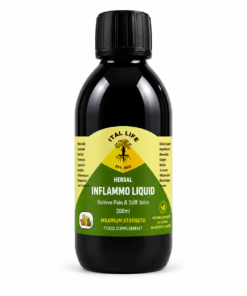
Inflammo Liquid Herbal Tonic | Joint, Inflammation & Mobility Support | Plant-Based Herbal Formula

Alkaline Herb Formulas
Alkaline Herb Formulas

Alkaline Herb Formulas
Organ Cleanser Herbal Capsules | Natural Liver, Kidney & Digestive Support.
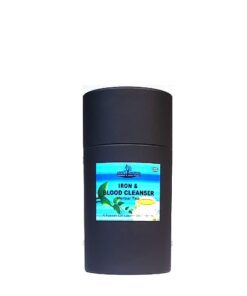
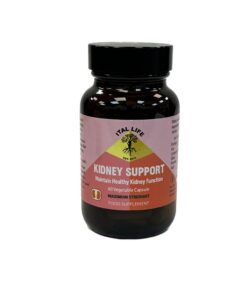
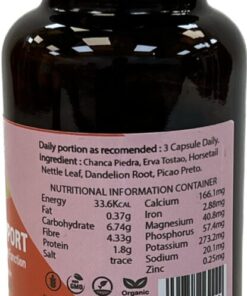
Alkaline Herb Formulas
Kidney Support Herbal Capsules | Natural Kidney & Urinary Tract Support.
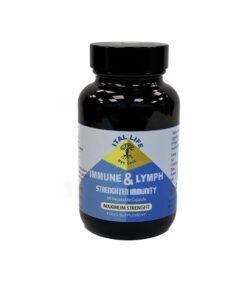
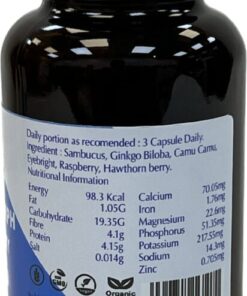
Alkaline Herb Formulas
Immune & Lymph Herbal Capsules | Natural Lymphatic & Immune Support & Wellness Formula
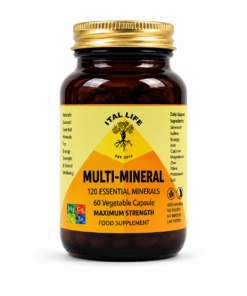
Alkaline Herb Formulas
Multi-Mineral Herbal Capsules | Natural Mineral & Trace Element Support, and Wellness Formula
Reviews
There are no reviews yet.