

 ITAL LIFE
 EARTH’S CREATION
 NACHER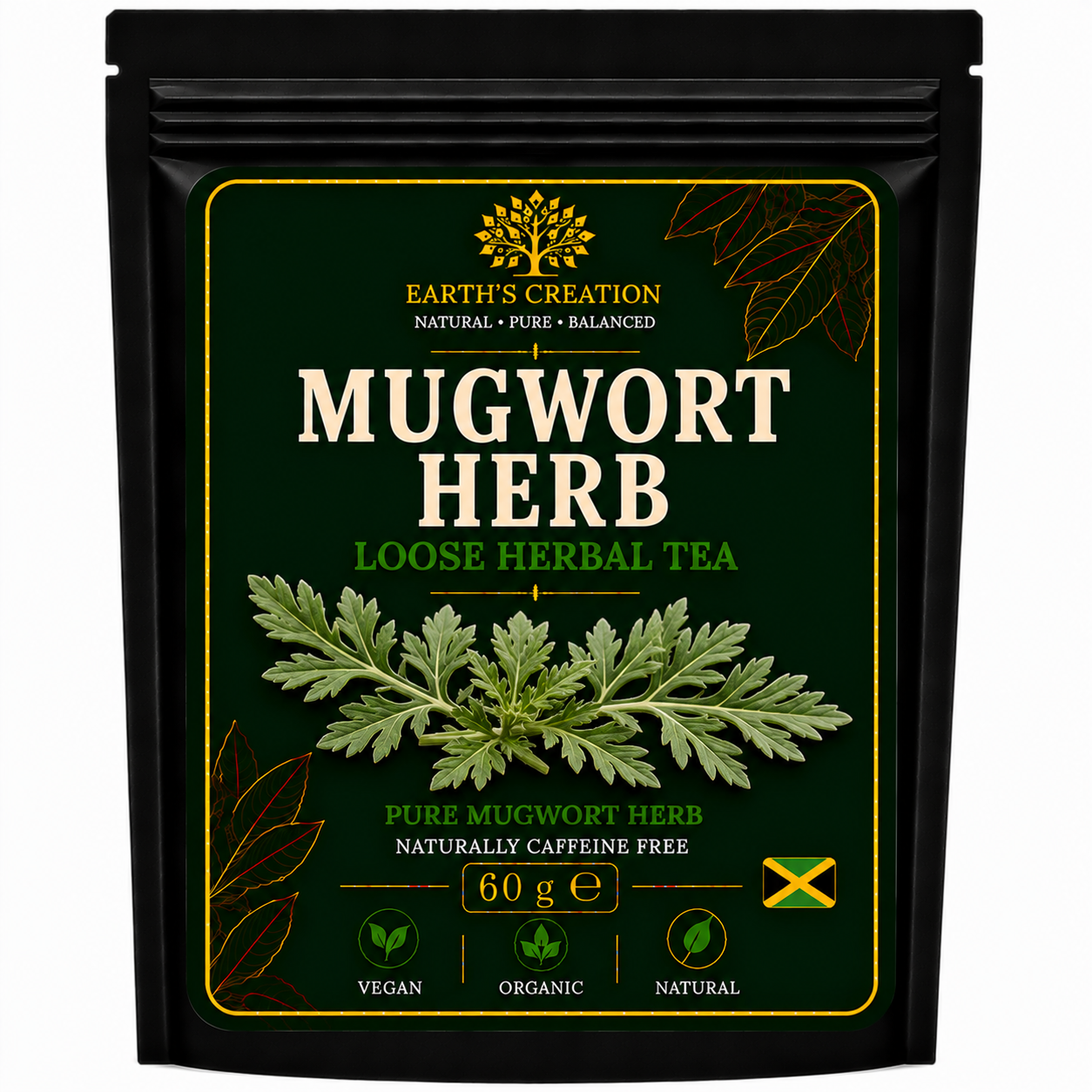
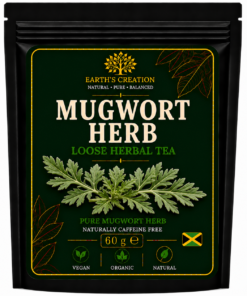
Mugwort Herb – Powerful Traditional Botanical
Mugwort Herb is an aromatic traditional botanical commonly associated with Artemisia vulgaris. This distinctive perennial plant belongs to the Asteraceae, or daisy, family and has a long history within European, Asian and folk-herbal traditions.
The plant develops tall stems with deeply divided leaves that are generally green on the upper surface and noticeably paler or silvery underneath. When handled, the foliage releases a characteristic herbal aroma.
Once appropriately harvested and dried, the aerial portions provide a fragrant botanical material with a distinctive character. Mugwort has been incorporated into traditional preparations for generations and has also accumulated an extensive collection of folklore and cultural associations.
For customers interested in traditional European herbs, aromatic botanicals and plants with fascinating historical backgrounds, mugwort provides a distinctive addition to a varied herbal collection.
What Is Mugwort Herb?
Mugwort Herb commonly refers to the dried aerial portions of Artemisia vulgaris.
The plant belongs to the Artemisia genus, which contains numerous aromatic species. Other members of this genus include wormwood and several plants known regionally as sagebrush.
Because multiple Artemisia species may sometimes be called mugwort in different regions, botanical identification matters.
If your supplier documentation confirms Artemisia vulgaris, include this scientific name prominently in your WooCommerce specifications.
This gives customers a much more reliable botanical reference than the common name alone.
Traditional Uses of Mugwort Herb
Mugwort has a remarkably long history within traditional herbal practices.
Historical European preparations have associated the plant with digestion, menstruation and general botanical use. It has also developed strong cultural associations with dreams, sleep rituals and traditional spiritual practices.
These traditions are interesting aspects of the plant’s history, but they should not be converted into guaranteed health claims.
An ordinary dried botanical should not be advertised as treating menstrual disorders, curing digestive disease or producing particular psychological or sleep effects.
Traditional use provides historical context rather than proof of medical effectiveness.
Artemisia vulgaris – Botanical Identity
The botanical name Artemisia vulgaris helps distinguish common mugwort from related species.
The genus Artemisia is particularly interesting because it contains numerous historically important aromatic plants.
Despite belonging to the same genus, these plants can have very different chemical profiles, traditional uses and safety considerations.
This means Mugwort Herb should not automatically be treated as interchangeable with wormwood or another Artemisiaspecies.
Accurate scientific identification is therefore particularly valuable when selling dried botanical ingredients.
A Distinctive Aromatic Plant
One of mugwort’s defining characteristics is its aroma.
The leaves contain naturally occurring volatile botanical compounds that contribute to the characteristic scent released when the plant is handled or crushed.
Dried material retains an herbaceous aroma, although its intensity can naturally vary according to harvest, drying and storage.
The leaves also have a distinctive appearance when fresh because their undersides can look pale or silvery compared with their darker upper surfaces.
These characteristics make the living plant relatively recognisable.
Mugwort in European Folklore
Few traditional herbs have accumulated quite as much folklore as mugwort.
Throughout history, the plant has appeared in cultural traditions, household practices and stories concerning travel, protection and dreams.
Its reputation extended well beyond ordinary herbal preparations.
These historical associations continue to contribute to modern interest in the plant.
However, folklore should be presented as cultural history, not scientific evidence.
Claims that mugwort will guarantee vivid dreams, provide supernatural protection or produce specific psychological effects should not be presented as established facts.
Mugwort and Traditional Women’s Herbal Practices
Mugwort Herb has also historically been associated with women’s botanical traditions, particularly those involving menstruation.
This traditional background creates an important safety consideration.
A historical association with menstrual preparations does not mean the herb is automatically appropriate during pregnancy.
In fact, mugwort is generally a botanical for which pregnancy requires particular caution.
This is one of the most important pieces of responsible information to include when describing the product.
Mugwort and Herbal Tea
Food-grade dried mugwort has traditionally been incorporated into herbal preparations, including infusions.
Its flavour can be noticeably aromatic and bitter compared with milder botanicals.
Customers should follow the preparation and serving directions supplied with the particular product.
Only describe your Mugwort Herb as suitable for tea if your supplier confirms the material is food grade and intended for consumption.
Loose herb, powders, tinctures, extracts and essential oils can differ substantially and should not automatically be treated as interchangeable.
Mugwort and the Artemisia Genus
The Artemisia genus contains a fascinating collection of aromatic plants.
One particularly well-known relative is wormwood, Artemisia absinthium.
Although wormwood and common mugwort are related, they are separate species.
Customers researching herbal products online may encounter information concerning different Artemisia plants, so the scientific name is particularly useful for distinguishing them.
Information about one species should never automatically be applied to another simply because both belong to the same genus.
Why Choose Mugwort Herb?
This traditional botanical may appeal to customers interested in:
- Artemisia vulgaris
- Traditional European herbs
- Aromatic dried botanicals
- Historical folk-herbal traditions
- European plant folklore
- Dried aerial herbs
- Traditional botanical collections
- Naturally bitter herbs
- Unusual historical botanicals
Its combination of aroma, folklore and botanical history makes mugwort particularly distinctive.
Explore More Traditional Botanicals
A varied herbal collection can include aromatic plants with very different histories and cultural associations.
Mugwort provides a fascinating European botanical with generations of folk-herbal tradition.
Explore our Motherwort Herb for another traditional European botanical with a fascinating history in folk herbalism.
This gives customers a natural internal route to another relevant herb already within your collection.
Responsible Use of Mugwort Herb
Mugwort Herb should always be used according to the preparation and serving directions supplied with the specific product.
Pregnant people should avoid using mugwort unless specifically advised otherwise by an appropriately qualified healthcare professional.
People who are breastfeeding, taking medication or managing an existing medical condition should also seek appropriate professional advice before use.
Because mugwort belongs to the Asteraceae family, people with known allergies to ragweed, chrysanthemums or related plants should exercise particular caution.
Customers should also distinguish ordinary dried herb from concentrated Artemisia essential oils, which require separate safety considerations.
Herbal products should not replace prescribed medicines or necessary medical treatment.
Discover Traditional Mugwort
With its distinctive silvery foliage, characteristic aroma and generations of European and Asian cultural history, Mugwort Herb is one of the more intriguing traditional botanicals.
Its botanical identity as Artemisia vulgaris connects it with an extensive genus of historically important aromatic plants, while its folklore gives it a cultural story extending far beyond ordinary herbal use.
Whether you’re exploring traditional European botanicals, historical plant folklore or unusual aromatic herbs, mugwort offers a fascinating combination of botanical character and centuries of cultural heritage.
Explore our Motherwort Herb for another traditional European botanical with a fascinating history in folk herbalism.
Learn more about the botanical classification of Artemisia vulgaris through the Royal Botanic Gardens, Kew Plants of the World Online database.
Only logged in customers who have purchased this product may leave a review.
Related products


Alkaline Herb Formulas
Kidney Support Herbal Capsules | Natural Kidney & Urinary Tract Support.

Alkaline Herb Formulas
Neuro Tonic Herbal Supplement | Natural Nervous System Support,


Support Packs


Reviews
There are no reviews yet.