

 ITAL LIFE
 EARTH’S CREATION
 NACHER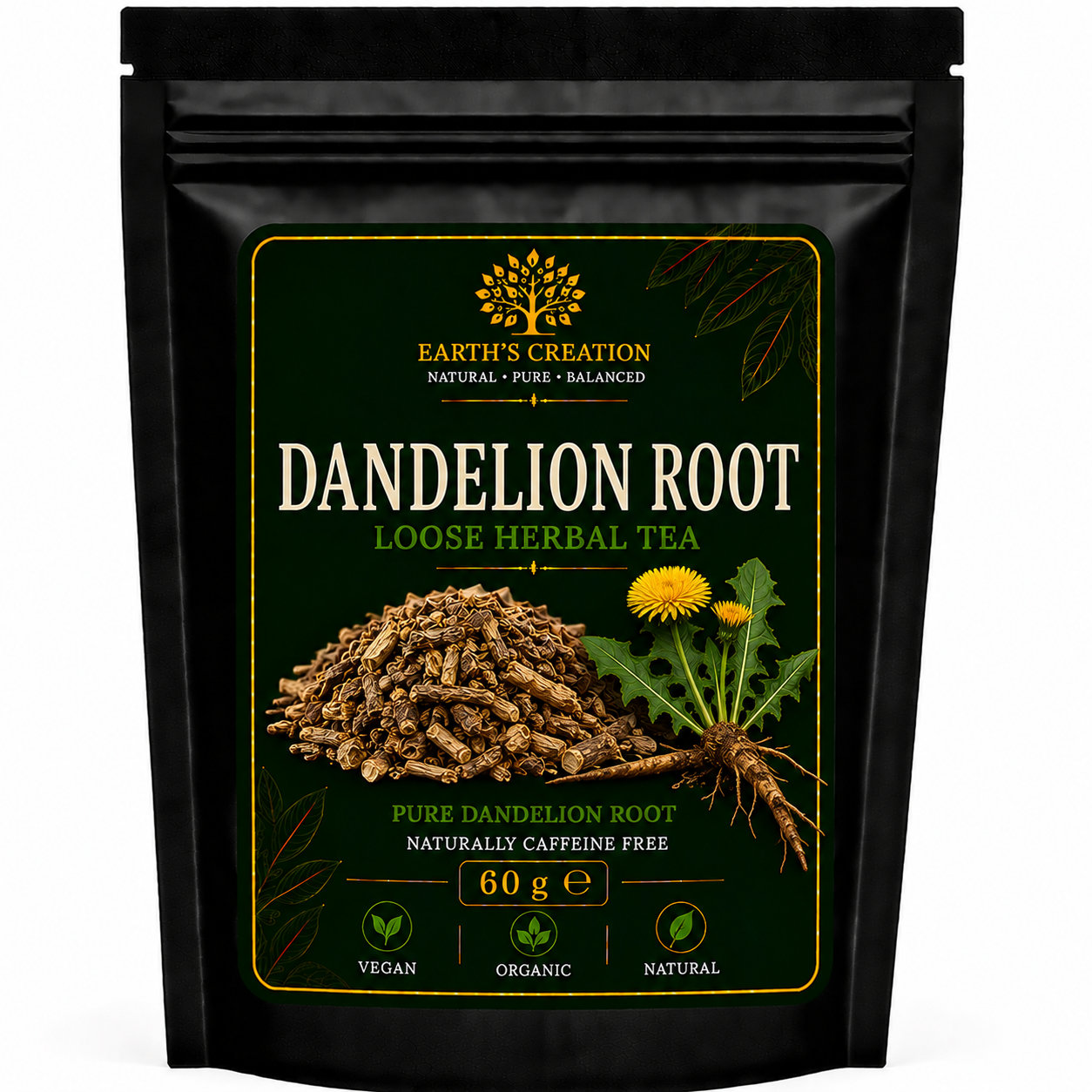
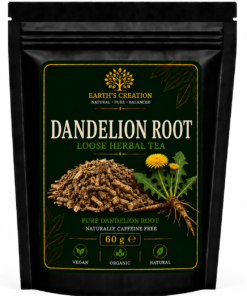
Dandelion Root – Powerful Traditional Botanical
Dandelion Root is obtained from Taraxacum officinale, the familiar perennial plant recognised by its bright yellow flowers, deeply toothed leaves and distinctive spherical seed heads. Although dandelion is often regarded simply as a common garden plant, its roots, leaves and flowers have been used in food and traditional botanical practices for generations.
The root grows beneath the familiar green rosette and acts as the plant’s substantial taproot. Once harvested, cleaned and carefully dried, it becomes an earthy botanical ingredient with a character quite different from the green leaves of the same plant.
Dried root can be incorporated into appropriate herbal preparations, while roasted versions have also developed a reputation as ingredients in dark, naturally caffeine-free beverages.
What Is Dandelion Root?
The common dandelion is generally identified botanically as Taraxacum officinale and belongs to the Asteraceae, or daisy, family.
Its long taproot helps the plant survive and regrow, contributing to dandelion’s famous ability to return even after its visible leaves have been removed.
While the leaves are green, lightweight and relatively delicate, the dried root has a much firmer structure and earthy appearance.
This distinction matters because different parts of the same plant are not necessarily prepared or used in identical ways.
For customers building a collection of individual botanicals, the root provides an interesting contrast to dried leaves and flowers.
Traditional Uses of Dandelion Root
Dandelion Root has a long history within European herbal traditions.
Historically, preparations made from the root have been associated with digestion and general botanical wellbeing. Dandelion has also become closely connected with traditional bitter-herb preparations.
These traditional associations explain why the plant remains popular today, but they should not be confused with claims that an ordinary dried root can diagnose, prevent, treat or cure disease.
Terms such as “detox” and “liver cleanse” are frequently attached to dandelion products online. These phrases can exaggerate what a dried botanical has been demonstrated to do.
The body’s liver and kidneys already perform complex functions involved in processing and eliminating substances. It is therefore better to present dandelion through its genuine traditional history rather than promising a dramatic cleansing effect.
Dandelion Root Herbal Preparations
Roots have a tougher physical structure than most dried leaves and flowers.
Traditional preparations may therefore involve gently simmering root material in water rather than simply steeping it briefly. This type of preparation is commonly referred to as a decoction.
Customers should always follow the preparation directions supplied with their particular product.
Cut root, powdered material, roasted root and concentrated extracts are different products and should not automatically be prepared in exactly the same way.
Dandelion Root and Dandelion Leaf
Although they originate from the same plant, the root and leaf are distinct botanical ingredients.
Dandelion leaf consists of the green aerial foliage and is commonly associated with herbal infusions. The root is denser, earthier and traditionally suited to preparations appropriate for tougher botanical material.
This distinction makes the two products useful companions within a broad herbal range without making them duplicates.
Customers interested in exploring the plant more fully may therefore choose to compare both forms.
Roasted Dandelion Root
One particularly interesting use of the root is roasting.
Roasting changes its colour, aroma and flavour, producing a darker ingredient that can be used to create a rich botanical beverage.
Roasted preparations are sometimes enjoyed as alternatives to conventional caffeinated drinks.
However, plain dried root and roasted root are not identical products. If yours is supplied unroasted, don’t describe it as roasted on the product page.
The distinction should remain clear so customers know exactly what they are purchasing.
Botanical Identity
The botanical name commonly associated with dandelion is Taraxacum officinale.
Dandelion belongs to the Asteraceae family, alongside plants such as chamomile, calendula and burdock.
Using the botanical name on your product listing gives customers an additional reference when researching the herb and helps distinguish accurately identified material from products relying only on common names.
A Familiar Plant With a Remarkable History
Few traditional botanicals are as instantly recognisable as dandelion.
Its flowers can transform from brilliant yellow heads into delicate spheres of seeds, each capable of being carried away by the wind.
Yet the familiar flowers represent only the visible part of the plant. Beneath the soil sits the substantial taproot responsible for helping dandelion survive and return season after season.
This combination of familiarity and botanical resilience has helped make dandelion an enduring part of traditional plant culture.
Why Choose Dried Dandelion Root?
This botanical may appeal to customers interested in:
- Traditional European botanicals
- Dried herbal roots
- Naturally bitter plant ingredients
- Traditional decoctions
- Taraxacum officinale
- Individual botanical ingredients
- Caffeine-free botanical preparations
- Traditional herbal collections
Its earthy character also provides a noticeable contrast to delicate floral and leafy herbs.
Explore More Traditional Botanicals
A varied herbal collection can include different portions of the same plant as well as ingredients from completely different botanical families.
Explore our Dandelion Leaf to discover another traditional botanical obtained from Taraxacum officinale.
Keeping the leaf and root as separate products allows customers to select the specific plant material required for their preferred preparation.
Responsible Herbal Use
Use dried dandelion according to the preparation and serving instructions supplied with the product.
People with known allergies to plants in the Asteraceae family should exercise appropriate caution.
Anyone who is pregnant or breastfeeding, taking medication, managing an existing medical condition or uncertain whether a botanical is suitable should seek appropriate professional healthcare advice.
Herbal products should not replace prescribed medication or necessary medical treatment.
Discover Traditional Dandelion
Dandelion demonstrates perfectly how an extremely familiar plant can possess a surprisingly extensive botanical history.
From its bright flowers above ground to its substantial taproot beneath the soil, Taraxacum officinale has been incorporated into food and herbal traditions for generations.
Whether you’re exploring dried roots, traditional bitter botanicals or simply discovering another side of this familiar plant, Dandelion Root makes a distinctive addition to a varied herbal collection.
Explore our Dandelion Leaf to discover another traditional botanical obtained from Taraxacum officinale.
Learn more about the botanical classification of Taraxacum officinale through the Royal Botanic Gardens, Kew Plants of the World Online database.
Only logged in customers who have purchased this product may leave a review.
Related products
Alkaline Herb Formulas
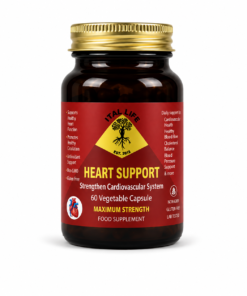
Heart Support Herbal Capsules | Natural Cardiovascular & Circulation Support

Alkaline Herb Formulas
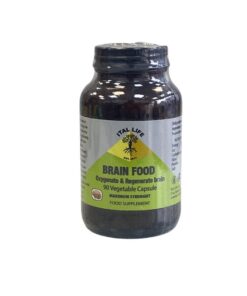
BRAIN FOOD Herbal Capsules | Natural Memory, Focus & Cognitive Support

Alkaline Herb Formulas
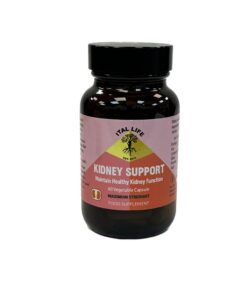
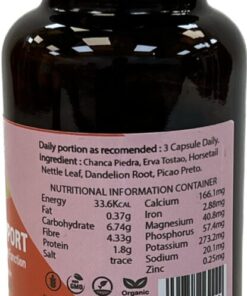
Kidney Support Herbal Capsules | Natural Kidney & Urinary Tract Support.
Alkaline Herb Formulas



Alkaline Herb Formulas
VEGE-INSULIN Herbal Capsules | Natural Blood Sugar & Pancreas Support.
Reviews
There are no reviews yet.