

 ITAL LIFE
 EARTH’S CREATION
 NACHER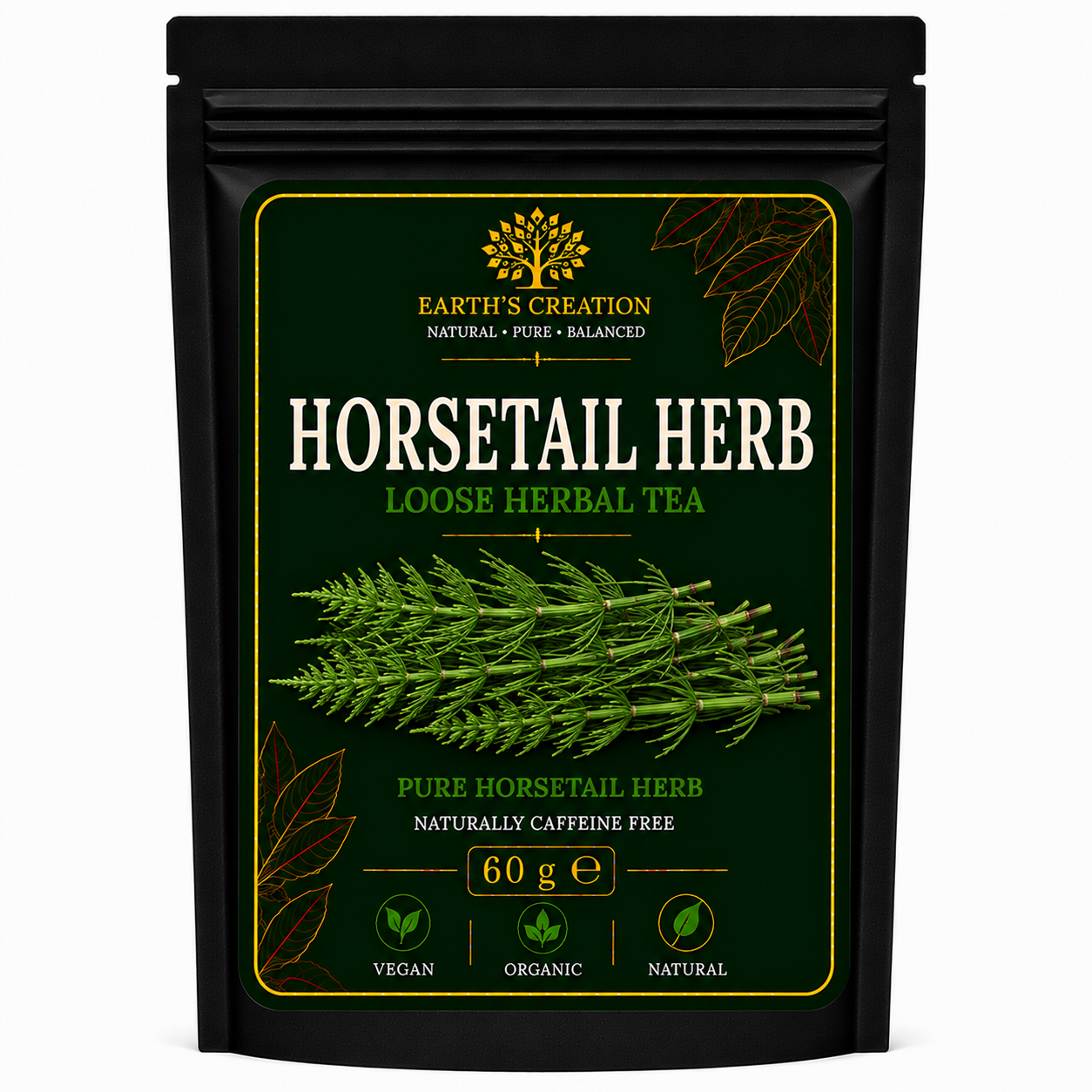
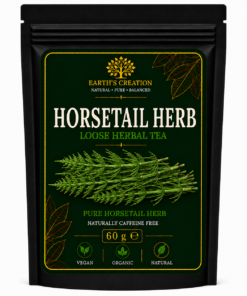
Horsetail Herb – Powerful Traditional Botanical
Horsetail Herb is a distinctive botanical commonly obtained from Equisetum arvense, a remarkable plant with an evolutionary history stretching back millions of years. Often known as field horsetail, this unusual herb is recognised for its jointed stems, fine branching structure and longstanding place within European botanical traditions.
Unlike flowering herbs such as chamomile or calendula, horsetail belongs to an ancient group of non-flowering vascular plants. It reproduces by spores rather than producing conventional flowers and seeds.
Once appropriately harvested and dried, the aerial portions become a distinctive botanical material for traditional herbal preparations. Its unusual structure and ancient botanical lineage make it an interesting addition to a collection of dried leaves, roots, flowers, bark and seeds.
What Is Horsetail Herb?
Horsetail Herb is generally associated with Equisetum arvense, commonly known as field horsetail.
The plant belongs to the Equisetaceae family and develops two noticeably different types of shoots during its growing cycle.
Early fertile shoots produce spore-bearing structures, while later green sterile shoots develop the characteristic branching appearance most people associate with horsetail.
The plant’s segmented stems can resemble the tail of a horse, helping explain its familiar English common name.
Botanical identification is important because other Equisetum species exist and should not automatically be treated as interchangeable.
An Ancient Botanical Lineage
One of the most fascinating characteristics of horsetail is its ancestry.
Modern Equisetum plants represent an ancient lineage of vascular plants. Their distant relatives existed hundreds of millions of years ago, when considerably larger horsetail-like plants formed part of prehistoric landscapes.
Today’s field horsetail is much smaller, but its unusual appearance still hints at that ancient heritage.
This makes Horsetail Herb particularly interesting for customers who enjoy the botanical history behind traditional plant ingredients.
It is not simply another leafy herb; it represents a very different branch of plant evolution.
Traditional Uses of Horsetail Herb
Horsetail has a long history within European folk-herbal practices.
Traditional preparations have been associated with several uses, including urinary and general botanical applications.
The plant has also developed a modern reputation surrounding hair, skin, nails and bones, largely because horsetail contains naturally occurring mineral compounds, including silica.
These associations should be described carefully.
An ordinary dried botanical should not be advertised as regrowing hair, curing osteoporosis, repairing broken bones or treating kidney and urinary diseases.
Traditional history provides useful context, but it should not be converted into guaranteed medical outcomes.
Equisetum arvense – Botanical Identity
The botanical name commonly associated with field horsetail is Equisetum arvense.
The genus name Equisetum has roots in Latin terminology associated with a horse’s mane or bristles, reflecting the plant’s characteristic appearance.
Using the Latin name alongside the common name gives customers a precise botanical reference.
This is particularly important because not every plant called horsetail is necessarily the same species.
If your supplier label confirms Equisetum arvense, include that scientific name prominently within your WooCommerce product specifications.
Naturally Occurring Silica
One reason Horsetail Herb attracts considerable modern interest is its mineral composition.
The plant is particularly well known for containing naturally occurring silica compounds.
Silicon is an element found naturally throughout the environment and is present in various plants.
However, the presence of silica does not mean dried horsetail can automatically be described as strengthening hair, rebuilding nails or treating bone disease.
The amount and availability of plant constituents can depend on the botanical material and how it is prepared.
Responsible product information should therefore distinguish interesting botanical composition from guaranteed health effects.
A Distinctive Dried Herb
Dried horsetail has an appearance unlike many conventional herbal ingredients.
Its thin, segmented stems and branching structure provide a firmer texture than delicate flowers or soft leaves.
Colour and particle size can vary naturally according to growing conditions, harvest and processing.
These variations are normal with minimally processed botanical material.
Customers building a broad herbal collection may particularly appreciate the contrast between horsetail and more familiar ingredients such as chamomile flowers, fennel seeds or dandelion roots.
Horsetail and Traditional Preparations
The aerial portions of field horsetail have historically been incorporated into different botanical preparations.
Preparation methods can vary depending on the form of the product and intended traditional use.
Customers should follow the directions supplied with the specific dried herb rather than assuming instructions for capsules, tinctures, extracts or powders apply to loose botanical material.
Concentrated preparations may differ considerably from ordinary dried aerial herb.
Botanical Identification Matters
Accurate identification is especially important with Equisetum species.
Field horsetail, Equisetum arvense, is the species commonly associated with herbal use, while other related species can have different characteristics and safety considerations.
For this reason, customers should obtain botanical products from appropriately identified commercial sources rather than gathering wild horsetail based only on appearance.
The Latin botanical name provides an additional layer of clarity and transparency.
Why Choose Horsetail Herb?
This distinctive traditional botanical may appeal to customers interested in:
- Equisetum arvense
- Traditional European herbs
- Ancient botanical species
- Naturally silica-containing plants
- Dried aerial herbs
- European botanical traditions
- Individual dried botanicals
- Historical herbal ingredients
- Unusual non-flowering plants
Its ancient lineage makes horsetail noticeably different from many familiar flowering herbs.
Explore More Traditional Botanicals
A varied herbal collection can contain plants with dramatically different botanical histories.
Horsetail provides an ancient non-flowering botanical alongside familiar flowering plants and traditional roots.
Explore our Nettle Leaf for another traditional green botanical with a long history in European herbal practices.
If you don’t stock Nettle Leaf, Dandelion Leaf is another good internal link for this page.
Responsible Use of Horsetail Herb
Horsetail Herb should be used according to the preparation and serving directions supplied with the particular product.
Anyone who is pregnant or breastfeeding, taking prescription medication or managing an existing health condition should seek appropriate professional advice before using herbal preparations.
Particular caution is sensible for people with kidney or heart conditions, or those taking diuretic medicines or medications that can affect fluid and electrolyte balance.
Long-term or excessive use should not be assumed to be appropriate simply because the product is botanical.
Herbal products should not replace prescribed medicines or necessary medical treatment.
Discover Traditional Horsetail
With its unusual jointed stems, ancient evolutionary lineage and generations of traditional botanical history, Horsetail Herb is one of the more distinctive plants found in an herbal collection.
Its botanical identity as Equisetum arvense connects a modern dried herb with a group of plants whose ancestry stretches far back into Earth’s natural history.
Whether you’re exploring traditional European herbs or expanding a collection of unusual botanicals, horsetail offers a fascinating combination of botanical heritage, distinctive appearance and traditional use.
Explore our Dandelion Leaf for another traditional European botanical with generations of herbal heritage.
Learn more about the botanical classification of Equisetum arvense through the Royal Botanic Gardens, Kew Plants of the World Online database.
Only logged in customers who have purchased this product may leave a review.
Related products

Alkaline Herb Formulas
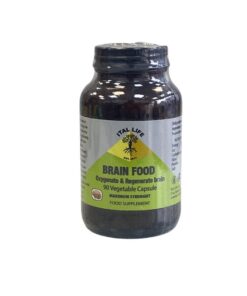
BRAIN FOOD Herbal Capsules | Natural Memory, Focus & Cognitive Support

Alkaline Herb Formulas
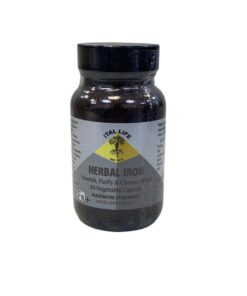
Herbal Iron Compound Capsules, Natural Iron & Blood Support.
Alkaline Herb Formulas
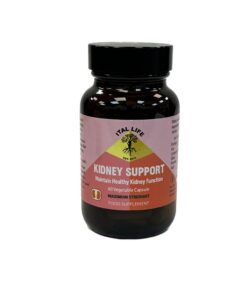
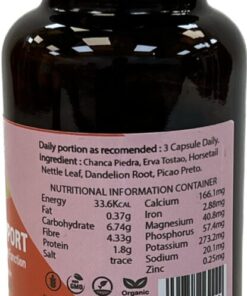
Kidney Support Herbal Capsules | Natural Kidney & Urinary Tract Support.
Alkaline Herb Formulas
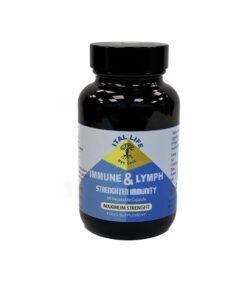
Immune & Lymph Herbal Capsules | Natural Lymphatic & Immune Support & Wellness Formula


Alkaline Herb Formulas
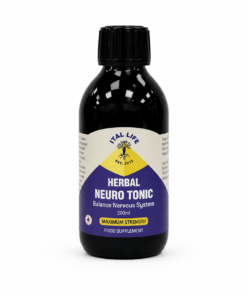
Neuro Tonic Herbal Supplement | Natural Nervous System Support,
Reviews
There are no reviews yet.