

 ITAL LIFE
 EARTH’S CREATION
 NACHER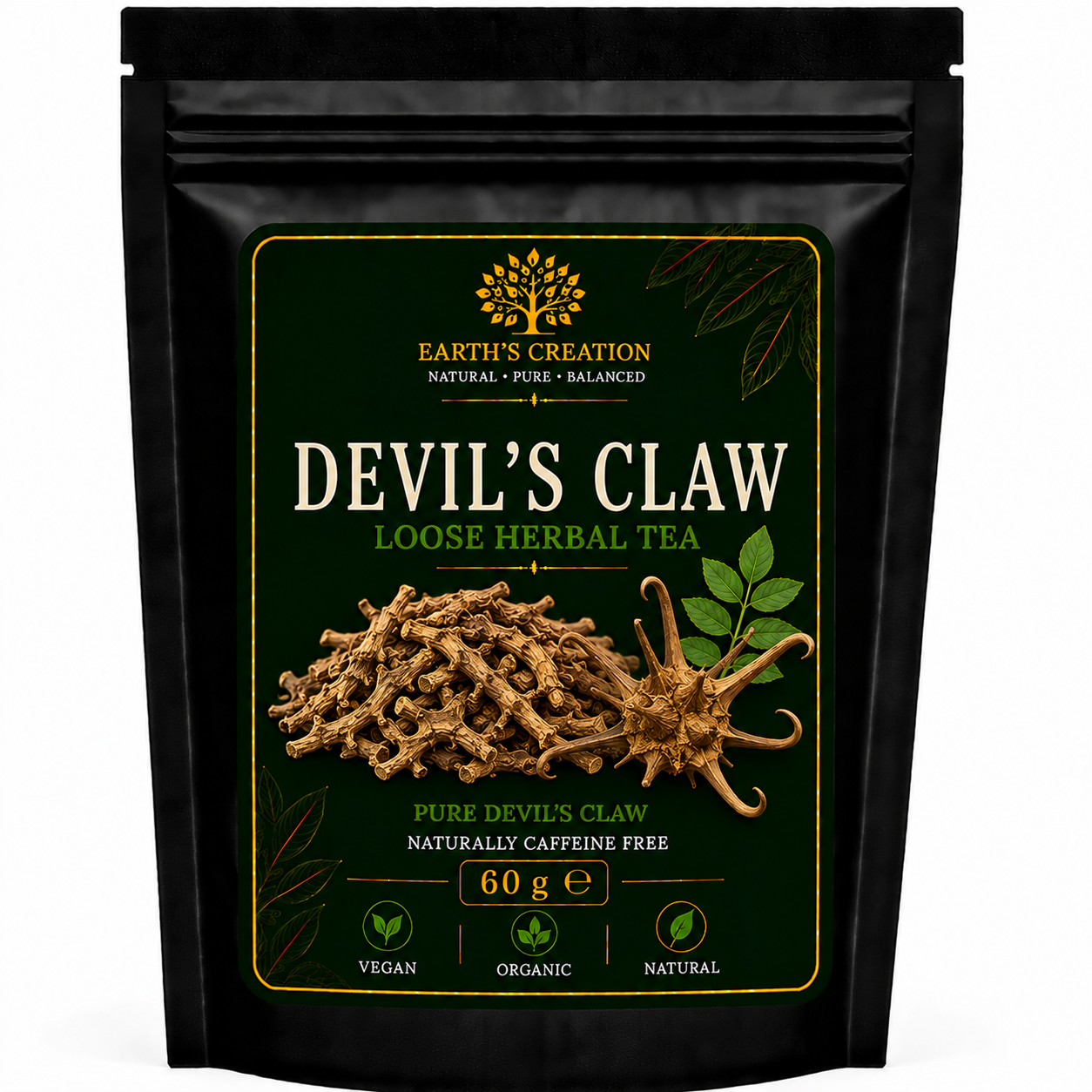
Devil’s Claw – Powerful Traditional African Botanical
Devil’s Claw is a distinctive traditional botanical native to southern Africa. Most commonly associated with Harpagophytum procumbens, the plant is famous for its unusual hooked fruits, which give this remarkable herb its dramatic common name.
Despite the name, the botanical material commonly used in herbal preparations comes primarily from the plant’s underground secondary storage tubers rather than the claw-shaped fruit itself.
The plant has a long history within southern African traditional practices and has subsequently become known internationally. Today, preparations containing devil’s claw can be found in various forms, including dried botanical material, capsules, extracts and formulated herbal products.
For customers interested in African botanicals and unusual traditional roots, this herb provides a fascinating addition to a varied collection.
What Is Devil’s Claw?
Devil’s claw belongs to the genus Harpagophytum. Two species commonly associated with herbal preparations are Harpagophytum procumbens and Harpagophytum zeyheri.
These plants originate in southern Africa and are adapted to dry environments.
Their unusual fruits develop numerous curved hooks. These structures can become caught on animals, helping the plant’s seeds disperse through its natural habitat.
This striking appearance inspired the common name Devil’s Claw.
When identifying a commercial herbal product, always check the botanical species supplied by your wholesaler rather than assuming which Harpagophytum species is present.
Traditional Uses of Devil’s Claw
The plant has been incorporated into traditional southern African botanical practices for generations.
Its history eventually attracted wider international attention, and preparations derived from Harpagophytum became increasingly familiar within European herbal medicine.
Today, devil’s claw is particularly associated with traditional preparations for joint comfort and digestive complaints.
This distinction is important: traditional medicinal use does not mean every packet of dried botanical material should be advertised as curing arthritis, eliminating pain or replacing prescribed treatment.
The strength, composition and regulatory status of a licensed herbal medicine may be substantially different from those of ordinary dried botanical material.
A Fascinating Southern African Plant
The geographical heritage of this plant makes it particularly interesting.
Many familiar dried herbs originate from European or Asian botanical traditions. Harpagophytum introduces customers to a plant strongly connected with southern Africa and its traditional botanical knowledge.
Its unusual appearance is another distinguishing feature.
The claw-like structures are actually associated with the fruit, while the underground portions have been central to herbal preparations.
Understanding this difference gives customers a much clearer picture of the plant behind the commercial product.
Botanical Identity Matters
Accurate botanical identification is important when selling traditional herbs.
Harpagophytum procumbens is probably the species most customers associate with the name devil’s claw, but Harpagophytum zeyheri is also recognised in herbal preparations.
If your supplier specifies the exact botanical name, include it in your product information.
This improves transparency and allows customers to research precisely which botanical material they are purchasing.
Naturally Occurring Plant Constituents
The plant contains a range of naturally occurring botanical compounds.
Among the best known are compounds known as iridoid glycosides, including harpagoside. These constituents have attracted considerable scientific and herbal interest.
However, research involving standardised extracts or specific medicinal preparations should not automatically be applied to ordinary dried herbal material.
The concentration and composition of different products can vary significantly.
This is why responsible herbal information should distinguish between the traditional botanical itself and standardised medicinal preparations investigated in clinical research.
Devil’s Claw in European Herbal Medicine
The European Medicines Agency has assessed preparations derived from Harpagophytum procumbens and Harpagophytum zeyheri.
Its herbal monograph recognises traditional medicinal use of certain preparations for the relief of minor articular painand for mild digestive disorders, such as bloating, flatulence and temporary loss of appetite.
That does not mean an ordinary retail packet should be marketed as a guaranteed painkiller or arthritis treatment.
The EMA assessment applies to particular herbal preparations used under specified conditions.
Why Choose This Traditional Botanical?
This unusual southern African herb may appeal to customers interested in:
- Traditional African botanicals
- Dried herbal roots and tubers
- Harpagophytum species
- Historical herbal practices
- Unusual botanical ingredients
- Southern African plant traditions
- Individual dried botanicals
- Traditional herbal collections
Its unusual appearance and geographical heritage make it particularly distinctive.
Building Your Herbal Collection
A varied botanical collection can contain plants originating from very different climates and cultural traditions.
This southern African ingredient provides an interesting contrast to European botanicals such as dandelion and burdock or South American herbs such as cat’s claw.
Explore our Burdock Root for another traditional dried botanical with a fascinating history of herbal use.
Individual ingredients also allow customers to learn more about the botanical identity and traditional background of each plant.
Important Information
Devil’s Claw should be used according to the instructions supplied with the particular product.
Anyone who is pregnant or breastfeeding, taking medication, living with a medical condition or uncertain whether the herb is appropriate should seek professional healthcare advice before use.
Particular care is appropriate for people with gastrointestinal conditions, including ulcers, and people taking medicines where herbal interactions may be relevant.
Persistent or worsening joint pain should be medically assessed rather than treated solely with herbal products.
Traditional herbal products should not replace prescribed medication or necessary medical treatment.
Discover Traditional Devil’s Claw
With its remarkable hooked fruits, southern African origins and generations of traditional botanical history, this plant is one of the more visually and culturally distinctive herbs found in modern herbal collections.
Whether you’re exploring African botanical traditions or expanding a collection of dried roots and herbs, Harpagophytumprovides an interesting example of how traditional plant knowledge has travelled far beyond its geographical origins.
Explore our Burdock Root for another traditional dried botanical with a fascinating history of herbal use.
For independent information about the traditional medicinal use of devil’s claw, see the European Medicines Agency’s assessment of Harpagophytum root.
Only logged in customers who have purchased this product may leave a review.
Related products




Alkaline Herb Formulas
Anti-V Herbal Capsules, Natural Immune & Antioxidant Support, Plant-Based Daily Wellness Formula

Alkaline Herb Formulas
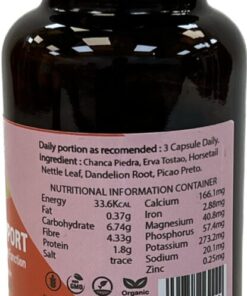
Kidney Support Herbal Capsules | Natural Kidney & Urinary Tract Support.
Alkaline Herb Formulas
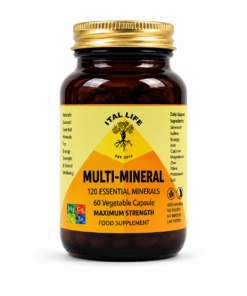
Multi-Mineral Herbal Capsules | Natural Mineral & Trace Element Support, and Wellness Formula

Support Packs

Reviews
There are no reviews yet.