

 ITAL LIFE
 EARTH’S CREATION
 NACHER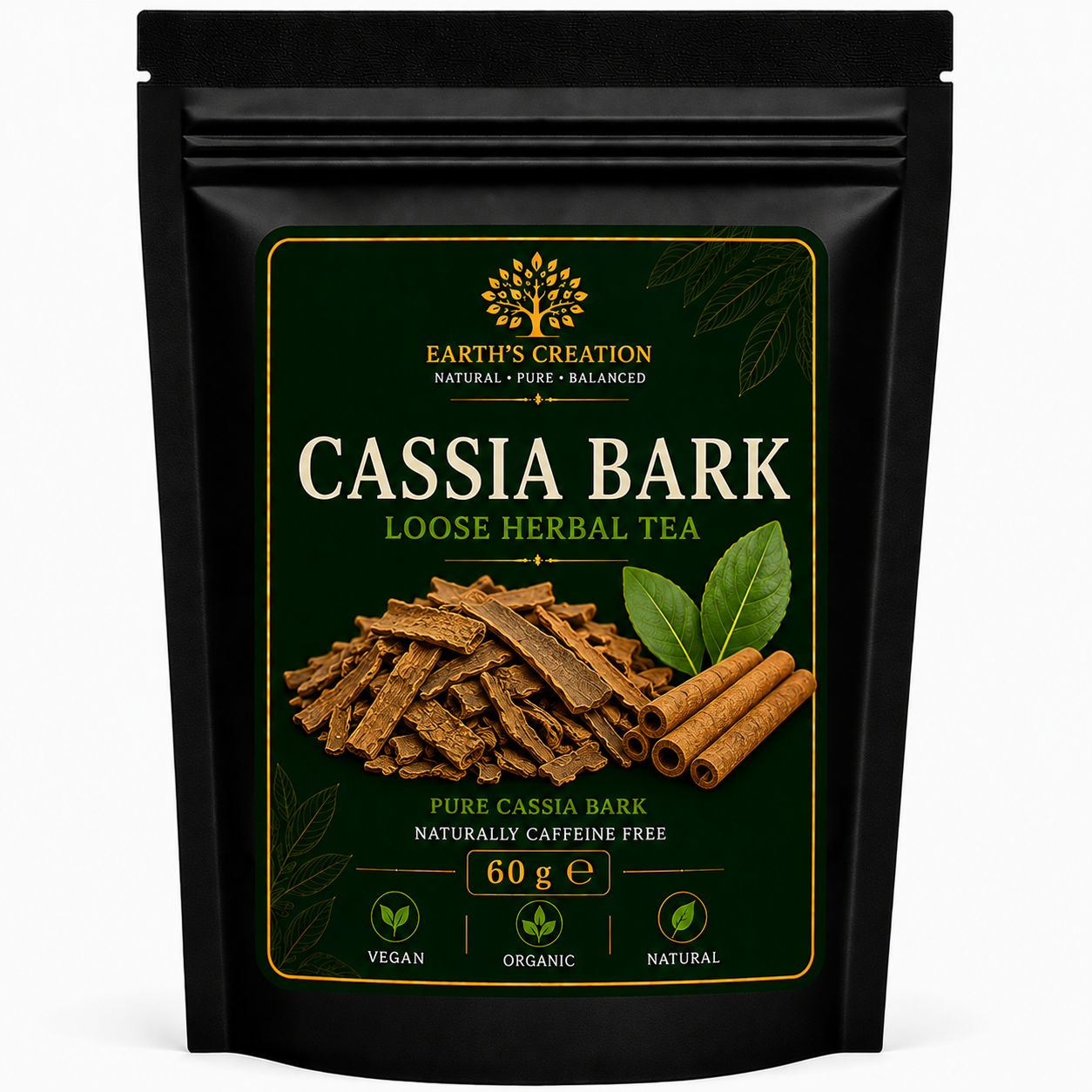
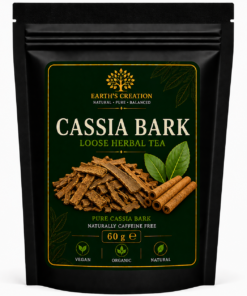
Cassia Bark – Traditional Aromatic Cinnamon Spice
Cassia Bark is an aromatic botanical spice prized for its warm fragrance, rich flavour and long history of culinary use. Commonly associated with Cinnamomum cassia, cassia is one of several plants whose dried inner bark is sold and used as cinnamon.
Recognisable by its warm brown colour and characteristically intense cinnamon aroma, cassia has been traded and enjoyed for generations. Its robust flavour makes it particularly suitable for herbal infusions, spiced drinks, cooking and a wide range of traditional preparations.
Compared with delicate dried leaves or flowers, bark provides a more substantial botanical ingredient. Cassia can be used on its own or thoughtfully combined with complementary spices and herbs.
For customers building a varied collection of traditional botanical ingredients, this distinctive cinnamon bark offers both culinary versatility and fascinating botanical heritage.
What Is Cassia Bark?
Cassia Bark comes from trees belonging to the Cinnamomum genus, part of the Lauraceae botanical family.
The term cassia is commonly associated with Cinnamomum cassia, although botanical naming can vary between references and commercial products. It is related to Cinnamomum verum, the plant commonly associated with Ceylon or “true” cinnamon.
Both provide cinnamon bark, but they are not identical.
Cassia generally has a stronger, more robust and slightly sweeter-spicy flavour, while Ceylon cinnamon is often described as lighter and more delicate.
These differences make cassia particularly useful when a pronounced cinnamon flavour and aroma are desired.
A Spice With a Long History
Cinnamon has an exceptionally long history as a valuable spice.
For generations, aromatic bark from Cinnamomum species has been traded internationally and incorporated into foods, beverages and traditional botanical preparations.
The warm fragrance of cassia makes it instantly recognisable, while its versatility has helped it remain a staple ingredient across many different culinary traditions.
Rather than being restricted to sweet recipes, cassia can complement both sweet and savoury preparations.
Its characteristic warmth works particularly well with other aromatic spices, including ginger, cloves, cardamom and star anise.
Cassia Bark for Herbal Infusions
One simple way to use Cassia Bark is as an ingredient in an aromatic infusion.
Because bark is considerably tougher than leaves or flowers, preparation methods may differ from those used for conventional herbal tea. It may be infused or gently simmered according to the recipe or preparation being followed.
Cassia can also be combined with complementary botanicals to create warming spice blends.
For example, its naturally sweet and aromatic character can complement ginger and other traditional spices particularly well.
Always follow the directions provided with the product and use quantities appropriate for the preparation being made.
Cassia Bark in Cooking
Cassia is particularly versatile because it sits comfortably between the worlds of traditional botanical ingredients and everyday culinary spices.
Whole or broken pieces of bark can be incorporated into suitable dishes to provide a rich cinnamon character. Depending on the recipe, the bark may be removed before serving in much the same way as other whole spices.
It can be used in warming beverages, spiced fruit preparations, sauces and numerous traditional recipes.
Its distinctive aroma also makes it an attractive ingredient for people interested in creating their own spice combinations.
Cassia and Ceylon Cinnamon
Although the names are sometimes used interchangeably in everyday conversation, cassia and Ceylon cinnamon are different botanical products.
Ceylon cinnamon is primarily obtained from Cinnamomum verum. Cassia cinnamon is associated with other Cinnamomum species and generally produces thicker, harder pieces of bark.
Cassia tends to have a stronger and more intense flavour, making it particularly popular where a bold cinnamon character is desired.
Another important difference involves coumarin, a naturally occurring plant compound.
Cassia cinnamon generally contains considerably more coumarin than Ceylon cinnamon. This is important when considering frequent consumption or large quantities.
Naturally Occurring Botanical Compounds
Like other spices, cassia contains numerous naturally occurring aromatic plant compounds responsible for its characteristic fragrance and flavour.
One of the best-known aromatic constituents associated with cinnamon is cinnamaldehyde.
However, the presence of naturally occurring compounds should not be used to turn an ordinary culinary product into a supposed medical treatment.
Cinnamon is sometimes promoted online with claims concerning blood sugar, weight loss and numerous other conditions. Research into cinnamon does not mean an ordinary Cassia Bark product should be advertised as treating diabetes or another medical condition.
Its culinary versatility, botanical heritage and traditional use provide plenty of reasons to enjoy the spice without exaggerated medical promises.
Why Choose Cassia Bark?
This traditional botanical spice offers several attractive characteristics:
- Rich, warming cinnamon aroma
- Strong and distinctive flavour
- Traditional dried bark ingredient
- Suitable for appropriate herbal infusions
- Excellent addition to spice blends
- Useful in sweet and savoury recipes
- Long history of culinary use
- Complements ginger, cloves and other aromatic spices
- Versatile addition to a botanical collection
Building Your Botanical Collection
A varied collection can contain more than conventional herbs. Roots, flowers, seeds, spices and bark all provide different flavours, aromas and traditional uses.
Cassia offers an especially aromatic bark that complements numerous other botanical ingredients.
Explore our other traditional dried herbs and botanical products to expand your herbal collection.
Keeping individual botanicals available also gives customers greater flexibility when preparing their own suitable blends and recipes.
Important Information
Cassia Bark should be used in appropriate culinary quantities.
Cassia naturally contains coumarin, and prolonged consumption of large amounts is not recommended. People with liver conditions, people taking medicines that may affect the liver, pregnant or breastfeeding individuals, or anyone planning to consume unusually large quantities should seek appropriate professional advice.
People taking medication for diabetes should also speak with their healthcare professional before using concentrated cinnamon supplements rather than attempting to replace prescribed treatment.
This product should not be considered a treatment for diabetes or any other medical condition.
Discover Traditional Cassia Bark
With its unmistakable aroma, warming flavour and extensive culinary heritage, Cassia Bark remains one of the world’s most recognisable traditional spices.
Whether used in an aromatic infusion, incorporated into a favourite recipe or combined with complementary spices, cassia provides a versatile botanical ingredient with generations of history behind it.
Explore our other traditional dried herbs and botanical products to expand your herbal collection.
For further information about cinnamon and coumarin, see the European Food Safety Authority’s information on coumarin in food.
Only logged in customers who have purchased this product may leave a review.
Related products

Alkaline Herb Formulas
Anti-V Herbal Capsules, Natural Immune & Antioxidant Support, Plant-Based Daily Wellness Formula

Alkaline Herb Formulas
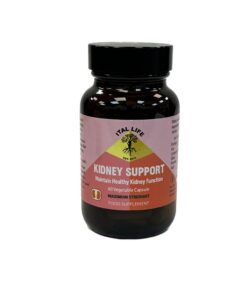
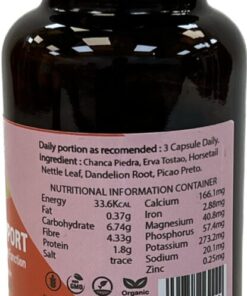
Kidney Support Herbal Capsules | Natural Kidney & Urinary Tract Support.
Alkaline Herb Formulas
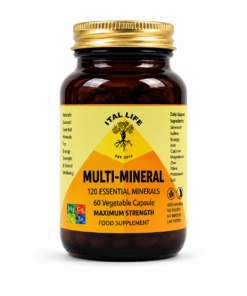
Multi-Mineral Herbal Capsules | Natural Mineral & Trace Element Support, and Wellness Formula

Alkaline Herb Formulas
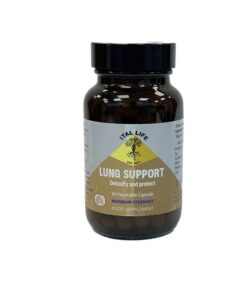
Lung Support Herbal Capsules, Natural Respiratory & Lung Health Support
Alkaline Herb Formulas
Inflammo Liquid Herbal Tonic | Joint, Inflammation & Mobility Support | Plant-Based Herbal Formula

Alkaline Herb Formulas
Neuro Tonic Herbal Supplement | Natural Nervous System Support,

Reviews
There are no reviews yet.