

 ITAL LIFE
 EARTH’S CREATION
 NACHER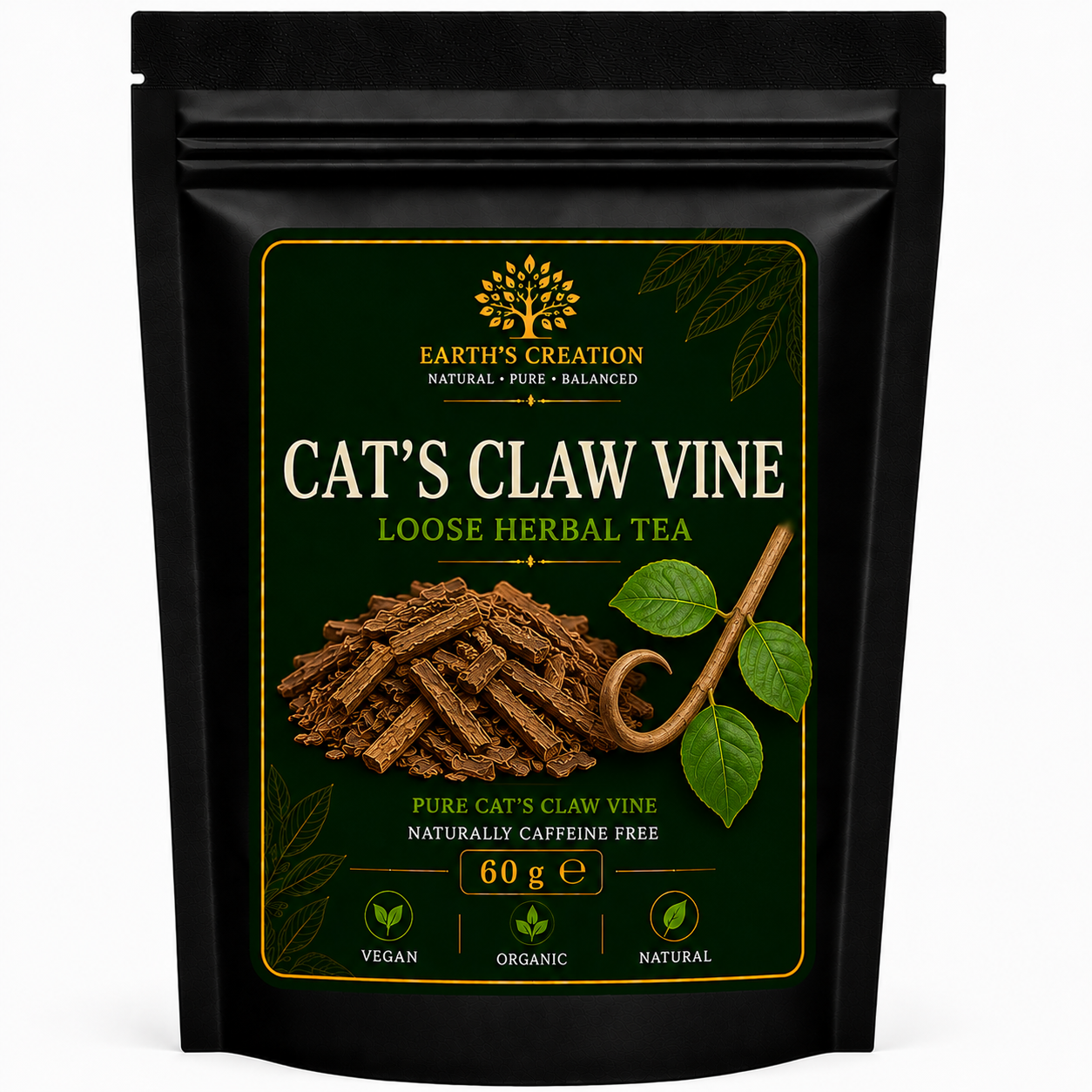
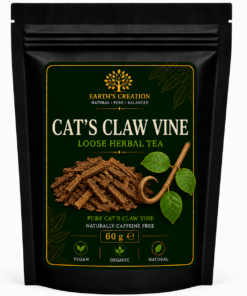
Cat’s Claw Vine – Traditional Amazonian Botanical
Cat’s Claw Vine is a traditional botanical associated with the tropical forests of Central and South America. Commonly identified as Uncaria tomentosa, this climbing plant has a long history within traditional Amazonian herbal practices and remains a well-known botanical today.
The unusual common name comes from the plant’s curved, claw-like thorns, which help the woody vine climb through surrounding vegetation. In Spanish-speaking regions it is often known as uña de gato, meaning “cat’s claw.”
The vine and bark have historically been incorporated into various traditional preparations. Today, dried cat’s claw is particularly popular among people interested in South American botanicals and traditional plant ingredients.
For anyone expanding a collection beyond familiar European herbs, this distinctive Amazonian vine offers an interesting botanical with a rich cultural heritage.
What Is Cat’s Claw Vine?
Cat’s Claw Vine usually refers to Uncaria tomentosa, a woody climbing plant belonging to the Rubiaceae botanical family.
It grows naturally in tropical areas of Central and South America and is particularly associated with the Amazon rainforest.
The plant’s hook-shaped thorns make it easy to understand where the name cat’s claw originated. These curved structures allow the vine to attach itself to neighbouring vegetation as it grows.
Correct botanical identification is important because more than one plant may be referred to by similar common names. Providing Uncaria tomentosa alongside the product name gives customers a much clearer botanical reference.
Traditional Use of Cat’s Claw
Cat’s claw has been used within traditional South American botanical practices for generations.
Different preparations involving the plant have historically been incorporated into local herbal traditions. This long history eventually helped introduce the botanical to international herbal markets.
Today, customers can encounter cat’s claw as dried botanical material, powders, capsules and concentrated extracts.
However, these products should not automatically be considered interchangeable. A concentrated extract can have a very different composition from an ordinary dried botanical preparation.
Traditional use should also be distinguished from established medical effectiveness. The fact that a plant has been used historically does not demonstrate that every preparation can prevent, treat or cure disease.
Cat’s Claw and Modern Interest
Modern scientific interest in Uncaria tomentosa has resulted in research into various naturally occurring constituents of the plant.
Cat’s claw contains several groups of botanical compounds that have attracted scientific attention, including alkaloids and polyphenols.
Research into these constituents does not mean an ordinary Cat’s Claw Vine product should be advertised as treating serious medical conditions.
In particular, claims sometimes found online suggesting cat’s claw can cure cancer or replace conventional medical treatment should not be presented as established facts.
People receiving treatment for any significant health condition should discuss complementary herbal products with their healthcare professional.
A Distinctive Amazonian Botanical
One of the most interesting characteristics of cat’s claw is its geographical and cultural heritage.
Many commonly sold dried herbs originate from European or Asian botanical traditions. Cat’s claw provides an opportunity to explore a plant particularly associated with the tropical forests of South America.
Its climbing growth habit also makes it botanically distinctive from familiar roots, leaves and flowers.
For customers interested in learning about plants from different traditional cultures, Cat’s Claw Vine can therefore provide a fascinating addition to a broader botanical collection.
Preparing Dried Cat’s Claw
Woody plant materials generally require different preparation methods from delicate leaves and flowers.
Traditional preparations of cat’s claw may involve simmering the botanical material in water rather than simply steeping it briefly like an ordinary tea bag.
However, preparation methods can depend on the exact form of the product supplied.
Always follow the directions provided with your specific product rather than relying on instructions intended for a different cat’s claw preparation or concentrated extract.
Why Choose Cat’s Claw Vine?
This traditional botanical may appeal to customers because of its:
- Botanical identity as Uncaria tomentosa
- Traditional Amazonian heritage
- Distinctive woody vine form
- Long history within South American herbal practices
- Alternative Spanish name uña de gato
- Interesting climbing growth habit
- Suitability for an established botanical collection
- Extensive history as a traditional plant ingredient
These characteristics make it noticeably different from many familiar dried European herbs.
Building a Traditional Herbal Collection
A varied botanical collection can include roots, bark, leaves, flowers, seeds and vines from many different parts of the world.
Cat’s claw introduces a traditional Amazonian botanical alongside more familiar European and Asian ingredients.
Explore our other traditional dried herbs and botanical products to expand your herbal collection.
Individual ingredients also make it easier for customers to understand exactly which botanicals they are purchasing rather than relying entirely on premixed formulas.
Important Information About Cat’s Claw
Cat’s Claw Vine should be used responsibly.
Anyone who is pregnant or breastfeeding should seek professional advice before using cat’s claw. People taking prescription medication or living with a medical condition should also speak with an appropriate healthcare professional before use.
Particular caution is sensible for people taking medicines that affect the immune system, blood pressure or blood clotting, as well as those preparing for surgery.
Herbal products should never be used as substitutes for prescribed medicines or necessary medical treatment.
Discover Traditional Cat’s Claw
With its distinctive claw-like thorns, Amazonian origins and long association with South American herbal traditions, Cat’s Claw Vine provides a fascinating addition to a varied collection of dried botanicals.
Whether you already know the plant as cat’s claw or uña de gato, Uncaria tomentosa offers an opportunity to explore a traditional botanical whose heritage is very different from many familiar European herbs.
Explore our other traditional dried herbs and botanical products to expand your herbal collection.
For independent information about Cat’s Claw and current scientific evidence, see the National Center for Complementary and Integrative Health’s information on cat’s claw.
Only logged in customers who have purchased this product may leave a review.
Related products
Alkaline Herb Formulas
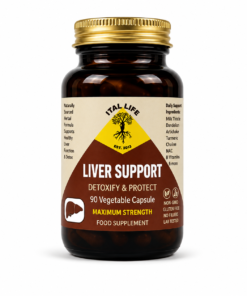
Liver Support Herbal Capsules | Natural Liver, Bile & Digestive Support | Plant-Based Herbal Formula


Alkaline Herb Formulas
VEGE-INSULIN Herbal Capsules | Natural Blood Sugar & Pancreas Support.



Alkaline Herb Formulas
Inflammo Herbal Capsules | Natural Joint & Inflammation Support Wellness Formula

Support Packs


Alkaline Herb Formulas
Organ Cleanser Herbal Capsules | Natural Liver, Kidney & Digestive Support.

Alkaline Herb Formulas
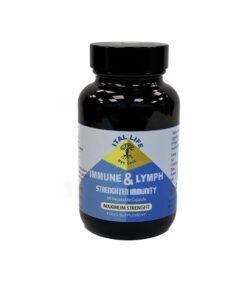
Immune & Lymph Herbal Capsules | Natural Lymphatic & Immune Support & Wellness Formula
Reviews
There are no reviews yet.