

 ITAL LIFE
 EARTH’S CREATION
 NACHER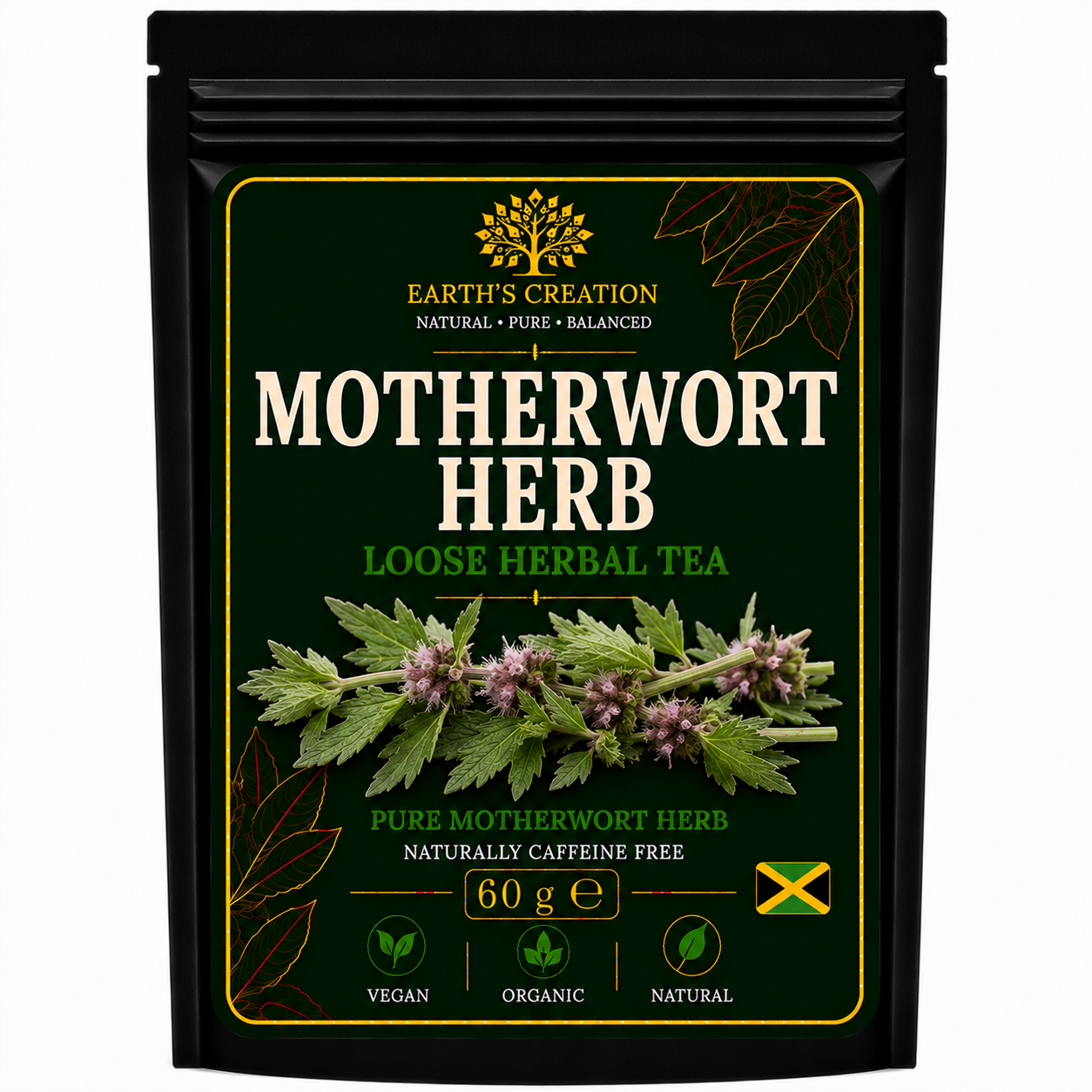
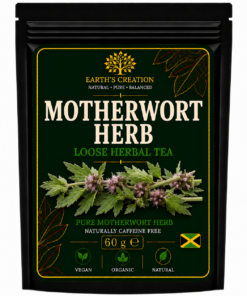
Motherwort Herb – Powerful Traditional Botanical
Motherwort Herb is a traditional botanical commonly identified as Leonurus cardiaca. This distinctive perennial plant belongs to the mint family, Lamiaceae, and has a long history within European folk-herbal traditions.
Despite belonging to the mint family, motherwort does not have the familiar sweet or cooling character associated with peppermint. Instead, the dried aerial portions have a distinctly herbaceous and naturally bitter character.
The plant develops upright stems with deeply divided leaves and small pinkish-purple flowers arranged around the stem. Once appropriately harvested and dried, the aerial parts provide an interesting botanical material for customers exploring traditional European herbs and historical plant preparations.
Its unusual common name, botanical identity and generations of herbal history make motherwort a fascinating addition to a varied botanical collection.
What Is Motherwort Herb?
Motherwort Herb generally refers to the dried aerial portions of Leonurus cardiaca.
The plant belongs to the Lamiaceae family, placing it botanically alongside familiar aromatic plants such as mint, lavender, rosemary, sage and thyme.
Motherwort can grow into a tall, branching perennial and produces characteristic clusters of small flowers around its stems.
The plant has become naturalised in numerous regions beyond its historical Eurasian range and may be encountered in disturbed ground, hedgerows and other suitable environments.
Using the botanical name Leonurus cardiaca on the product page gives customers a precise reference for the herb they are purchasing.
The Meaning Behind the Motherwort Name
The name motherwort provides an interesting glimpse into the plant’s traditional history.
“Wort” is an old term frequently found in English plant names and essentially refers to a herb or plant traditionally associated with particular uses.
The “mother” portion reflects the plant’s longstanding connection with traditional women’s herbal practices.
The botanical name is equally interesting.
The genus name Leonurus is traditionally interpreted in connection with a lion’s tail, reflecting aspects of the plant’s appearance.
Meanwhile, the species name cardiaca reflects its historical association with the heart.
These names preserve centuries of botanical and herbal history.
Traditional Uses of Motherwort Herb
Motherwort Herb has generations of use within European and other traditional herbal practices.
Historically, the plant became particularly associated with women’s botanical preparations and with traditional uses involving the heart, nervousness and general relaxation.
Its species name cardiaca provides a clear reminder of this historical reputation.
However, these traditional associations should not be converted into promises that dried motherwort can treat heart disease, correct an irregular heartbeat, cure anxiety or manage a reproductive health condition.
These are medical concerns that may require appropriate diagnosis and treatment.
A responsible listing can explain motherwort’s fascinating traditional heritage without presenting historical use as guaranteed medical effectiveness.
Leonurus cardiaca – Botanical Identity
The botanical name Leonurus cardiaca provides an important point of identification.
Numerous plants have regional common names, and those names can occasionally overlap.
Scientific identification reduces this ambiguity and allows customers to research the actual botanical species rather than relying solely on the word “motherwort.”
If your supplier documentation confirms Leonurus cardiaca, include that name prominently within the WooCommerce product specifications.
It improves both botanical accuracy and customer transparency.
A Naturally Bitter Botanical
One characteristic customers may notice about Motherwort Herb is its naturally bitter flavour.
Bitterness occurs in numerous traditional botanicals and can be a significant part of their characteristic taste.
Motherwort therefore provides a noticeably different experience from naturally sweet or strongly aromatic herbs such as fennel, lavender or lemongrass.
Natural variations in colour, aroma and texture can also occur between batches of dried botanical material depending on growing conditions, harvest and processing.
These differences are normal characteristics of minimally processed plants.
Motherwort and Women’s Herbal Traditions
Motherwort’s historical association with women is sufficiently important that it is reflected directly in its common name.
Traditional herbal literature has associated the plant with menstruation and other aspects of women’s wellbeing.
However, particular caution is required here.
Historical use involving menstruation does not mean the herb should automatically be considered appropriate during pregnancy.
In fact, motherwort is generally considered a botanical for which pregnancy requires particular caution, and pregnant customers should avoid self-prescribing it.
This distinction is important when presenting traditional herbal information responsibly.
Motherwort and Heart Traditions
The species name cardiaca also reveals another major part of motherwort’s traditional reputation.
European herbal traditions historically associated the plant with preparations concerning the heart and sensations such as a racing or pounding heartbeat.
Modern customers may consequently encounter strong claims about motherwort when researching it online.
Those claims should not be copied directly into a retail product description.
Palpitations, chest pain, fainting, shortness of breath or an abnormal heartbeat can have medically significant causes and require appropriate assessment.
An herbal product should not be presented as a substitute for that assessment.
Dried Motherwort as a Botanical
Dried aerial herb may contain pieces of leaves, stems and flowering portions depending on the harvesting and processing method.
The texture is naturally different from roots, bark and whole seeds.
Customers should follow the preparation and serving instructions supplied with the specific product.
Loose dried herb, powders, capsules, tinctures and concentrated extracts can vary considerably and should not automatically be treated as interchangeable.
Only describe the product as suitable for herbal tea if your supplier confirms that the material is food grade and intended for consumption.
Why Choose Motherwort Herb?
This traditional botanical may appeal to customers interested in:
- Leonurus cardiaca
- Traditional European herbs
- Naturally bitter botanicals
- Historical women’s herbal traditions
- Members of the mint family
- Dried aerial herbs
- European botanical heritage
- Individual dried botanicals
- Traditional herbal collections
Its unusual name and long folk-herbal history make motherwort particularly interesting.
Explore More Traditional Herbs
A varied botanical collection can contain plants from different traditions with very different flavours and characteristics.
Motherwort provides a bitter European botanical with a particularly fascinating history.
Explore our Hawthorn Berry for another traditional European botanical with generations of herbal heritage.
This creates a natural internal product connection while giving customers another traditional botanical to explore.
Responsible Use of Motherwort Herb
Motherwort Herb should be used only according to the directions supplied with the specific product.
Pregnant customers should not use motherwort without explicit advice from an appropriately qualified healthcare professional. This is particularly important given the plant’s traditional association with uterine and menstrual activity.
Anyone who is breastfeeding, taking prescription medication or managing an existing medical condition should also seek appropriate professional advice before use.
Particular caution is sensible for people taking blood-thinning medication or medicines for cardiovascular conditions.
Anyone experiencing chest pain, fainting, significant shortness of breath or persistent heart palpitations should obtain appropriate medical assessment.
Herbal products should not replace prescribed medication or necessary medical care.
Discover Traditional Motherwort
With its distinctive bitter character, unusual name and generations of European folk-herbal history, Motherwort Herbprovides a fascinating addition to a traditional botanical collection.
Its botanical identity as Leonurus cardiaca preserves clues to its historical reputation while its membership in the mint family connects it with an extensive group of familiar aromatic plants.
Whether you’re exploring traditional European botanicals or expanding a collection of dried herbs, motherwort offers an interesting combination of botanical identity, cultural heritage and historical herbal tradition.
Explore our Hawthorn Berry for another traditional European botanical with generations of herbal heritage.
Learn more about the botanical classification of Leonurus cardiaca through the Royal Botanic Gardens, Kew Plants of the World Online database.
Only logged in customers who have purchased this product may leave a review.
Related products
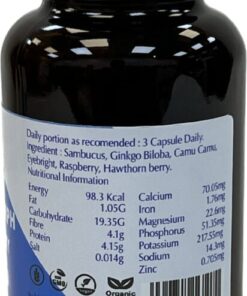
Alkaline Herb Formulas
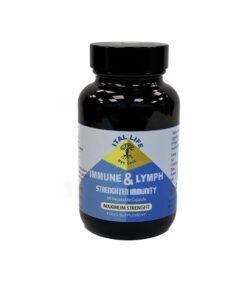
Immune & Lymph Herbal Capsules | Natural Lymphatic & Immune Support & Wellness Formula

Alkaline Herb Formulas
Herbal Iron Compound Capsules, Natural Iron & Blood Support.


Alkaline Herb Formulas
Inflammo Herbal Capsules | Natural Joint & Inflammation Support Wellness Formula

Alkaline Herb Formulas
Anti-V Herbal Capsules, Natural Immune & Antioxidant Support, Plant-Based Daily Wellness Formula
Alkaline Herb Formulas
Multi-Mineral Herbal Capsules | Natural Mineral & Trace Element Support, and Wellness Formula



Alkaline Herb Formulas
VEGE-INSULIN Herbal Capsules | Natural Blood Sugar & Pancreas Support.

Alkaline Herb Formulas
Clear Sight Herbal Capsules | Natural Eye Health & Vision Support.
Reviews
There are no reviews yet.