

 ITAL LIFE
 EARTH’S CREATION
 NACHER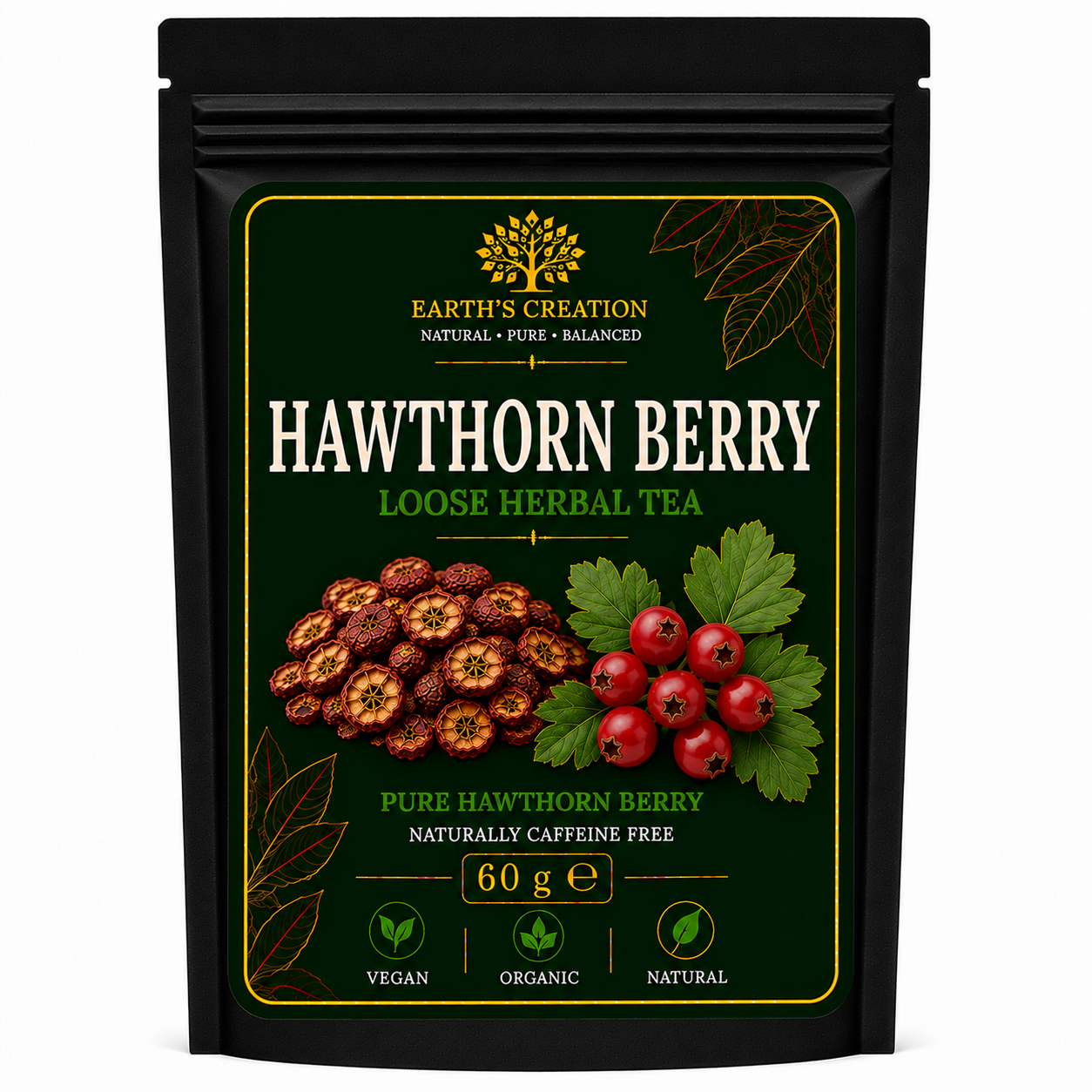
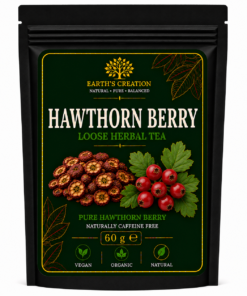
Hawthorn Berry – Powerful Traditional Botanical
Hawthorn Berry is a traditional botanical obtained from shrubs and small trees belonging to the Crataegus genus. Hawthorn is widely recognised for its clusters of white or pinkish flowers, thorny branches and colourful fruits that mature later in the growing season.
The plant has a particularly rich history throughout Europe, where hawthorn has been woven into folklore, countryside traditions and herbal practices for generations. Its attractive blossoms make it distinctive in spring, while its red fruits provide an equally recognisable feature later in the year.
Once appropriately harvested and dried, the berries become a convenient botanical ingredient for traditional preparations and herbal blends. Their natural appearance and long cultural history make them an interesting addition to a varied collection of dried herbs, roots, bark, flowers and fruits.
What Is Hawthorn Berry?
Hawthorn Berry refers to the small fruit produced by plants in the genus Crataegus, which belongs to the Rosaceae, or rose, family.
Several hawthorn species are associated with traditional European herbal preparations. These include Crataegus monogyna and Crataegus laevigata.
Because more than one species may be commercially supplied, check the botanical name shown on your supplier packaging before listing a specific species on the final product page.
Although commonly called berries, hawthorn fruits are botanically more accurately described as small pomes. They are related botanically to fruits such as apples, although considerably smaller.
A Traditional European Botanical
Hawthorn has a particularly strong connection with European landscapes.
The plant is commonly found in hedgerows, woodland margins and countryside environments. Its dense, thorny growth has also made it useful historically as a natural boundary and hedging plant.
During spring, hawthorn can produce masses of attractive blossoms. These are followed later by the familiar red fruits.
This seasonal transformation has helped the plant become deeply embedded in European folklore and rural traditions.
For customers interested in plants with both botanical and cultural significance, hawthorn offers considerably more history than its dried appearance might initially suggest.
Traditional Uses of Hawthorn Berry
Hawthorn Berry has a longstanding place within European herbal traditions.
Different portions of hawthorn, including the leaves, flowers and fruits, have historically appeared in botanical preparations.
In modern herbal culture, hawthorn is especially well known for its traditional association with heart and circulatory wellbeing.
However, this traditional reputation needs to be handled responsibly.
An ordinary dried botanical should not be advertised as treating heart disease, lowering blood pressure, correcting an irregular heartbeat or replacing cardiovascular medication.
Research involving specific hawthorn extracts or formulated medicinal products should also not automatically be applied to ordinary dried fruit.
Crataegus – Botanical Identity
The botanical genus for hawthorn is Crataegus.
This genus contains many species, which means simply knowing that a product is hawthorn does not necessarily tell us the exact species.
In European herbal traditions, Crataegus monogyna and Crataegus laevigata are particularly familiar.
Using the exact Latin name provided by your supplier gives customers a much more precise botanical reference.
Until the species is confirmed, describing the product at the Crataegus genus level is more accurate than guessing.
Hawthorn Fruit, Leaf and Flower
Customers may encounter different hawthorn products when researching the plant.
Some products contain the fruit, while others use the leaves and flowers. Certain commercial preparations may combine more than one plant part.
These ingredients should not automatically be treated as interchangeable.
Your Hawthorn Berry product specifically consists of the dried fruit, so the product description should make this distinction clear.
Information concerning a standardised leaf-and-flower extract, for example, should not automatically be used to make claims about dried berries.
Naturally Occurring Plant Compounds
Hawthorn fruits contain a variety of naturally occurring botanical compounds.
Researchers have studied different Crataegus species and plant parts, including their flavonoids and other polyphenolic constituents.
The precise composition of a botanical product can vary according to species, growing conditions, plant part, harvest and processing.
A concentrated extract can also have a substantially different composition from ordinary dried fruit.
This is why scientific research concerning one hawthorn preparation should not automatically become a health claim for every product carrying the hawthorn name.
Traditional Herbal Preparations
Dried botanical fruits can be incorporated into different traditional preparations.
Because dried berries are firmer than delicate flowers or leafy herbs, preparation methods may differ depending on the intended use.
Customers should follow the preparation directions supplied with the specific product.
Whole berries, crushed fruit, powders, tinctures and concentrated extracts can differ considerably and should not automatically be prepared or consumed in identical ways.
Hawthorn in European Folklore
Beyond herbal traditions, hawthorn has a fascinating place in European folklore.
The flowering tree has historically been connected with seasonal customs and countryside traditions, particularly around spring and early summer.
Hawthorn hedges have also shaped rural landscapes for generations.
This combination of botanical, cultural and herbal heritage makes the plant particularly interesting for customers who enjoy learning about the history behind traditional ingredients.
Why Choose Hawthorn Berry?
This traditional botanical may appeal to customers interested in:
- Traditional European herbs
- Crataegus botanicals
- Dried herbal berries
- Botanical tea ingredients
- European plant traditions
- Historical herbal ingredients
- Traditional dried fruits
- Individual botanicals
- Herbal tea blends
Its fruit form provides an interesting contrast to leafy herbs, flowers, bark and dried roots.
Explore More Traditional Botanicals
A diverse botanical collection can include fruits alongside seeds, roots, leaves and flowers.
Hawthorn provides a traditional European fruit with generations of botanical and cultural history.
Explore our Rosehip for another traditional botanical fruit with a rich European herbal heritage.
If you don’t currently sell Rosehip, use Dandelion Leaf as the internal product link instead.
Responsible Use of Hawthorn Berry
Hawthorn Berry should be used according to the preparation and serving directions supplied with the particular product.
Because hawthorn is associated with cardiovascular herbal preparations, anyone taking medication for heart conditions or blood pressure should seek appropriate professional healthcare advice before using hawthorn products.
Anyone who is pregnant or breastfeeding, taking other prescription medication, managing an existing medical condition or uncertain whether the botanical is suitable should also seek professional advice.
Chest pain, fainting, severe shortness of breath, persistent palpitations or other potentially serious cardiovascular symptoms require appropriate medical attention.
Herbal products should not replace prescribed cardiovascular medication or necessary medical care.
Discover Traditional Hawthorn
With its beautiful spring flowers, colourful fruits and generations of European cultural history, Hawthorn Berry comes from one of the most recognisable traditional countryside plants.
Its long association with European folklore and herbal practices gives the dried fruit an interesting heritage beyond its appearance alone.
Whether you’re exploring traditional berries, European botanicals or expanding a collection of dried herbal ingredients, hawthorn offers a fascinating combination of botanical character, cultural history and traditional use.
Explore our dandelion root for another traditional botanical fruit with a rich European herbal heritage.
Learn more about the botanical classification of Crataegus through the Royal Botanic Gardens, Kew Plants of the World Online database.
Only logged in customers who have purchased this product may leave a review.
Related products

Alkaline Herb Formulas
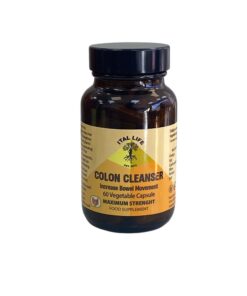
Colon Cleanser Compound Herbal Capsules | Gut Cleanse & Bowel Wellness Formula

Alkaline Herb Formulas
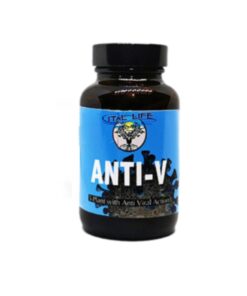
Anti-V Herbal Capsules, Natural Immune & Antioxidant Support, Plant-Based Daily Wellness Formula


Alkaline Herb Formulas
Inflammo Herbal Capsules | Natural Joint & Inflammation Support Wellness Formula


Alkaline Herb Formulas
Organ Cleanser Herbal Capsules | Natural Liver, Kidney & Digestive Support.

Support Packs
Alkaline Herb Formulas
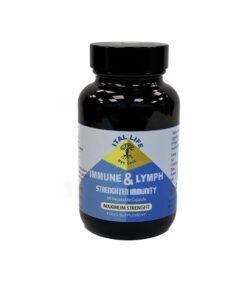
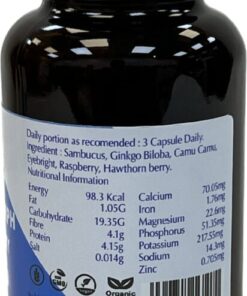
Immune & Lymph Herbal Capsules | Natural Lymphatic & Immune Support & Wellness Formula


Reviews
There are no reviews yet.