

 ITAL LIFE
 EARTH’S CREATION
 NACHER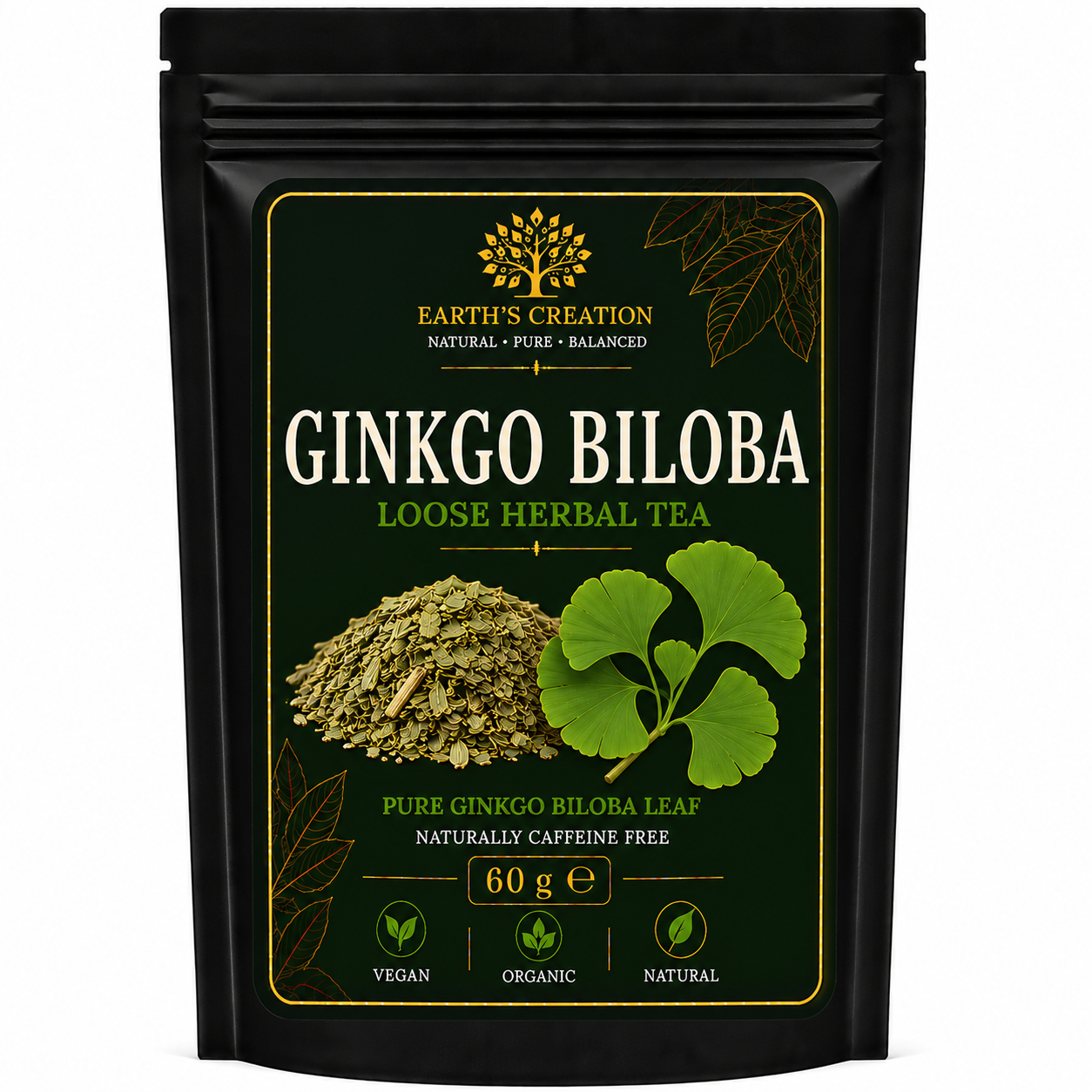
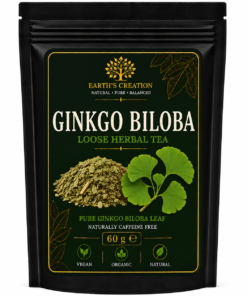
Ginkgo Biloba – Powerful Traditional Botanical
Ginkgo Biloba is one of the most fascinating botanicals in the world. Obtained from Ginkgo biloba, an ancient tree species native to China, the leaves have a long history within traditional botanical practices and continue to attract considerable interest today.
The ginkgo tree is instantly recognisable by its distinctive fan-shaped leaves. Unlike the foliage of most familiar trees, the leaves often have characteristic radiating veins and may be divided into two lobes. This appearance is reflected in the species name biloba, referring to the two-lobed form sometimes seen in the leaves.
Once appropriately harvested and dried, ginkgo leaves provide a distinctive botanical material for customers interested in traditional Asian plants, unusual dried herbs and botanicals with an extraordinary natural history.
What Is Ginkgo Biloba?
Ginkgo Biloba comes from the tree botanically known as Ginkgo biloba.
The species is remarkable because it is the only living species currently recognised within the genus Ginkgo. Its evolutionary lineage stretches back millions of years, and relatives of modern ginkgo trees are known from the fossil record.
This remarkable history has led to ginkgo frequently being described as a “living fossil.”
The tree itself can grow to an impressive size and is also cultivated ornamentally in cities, parks and gardens throughout many parts of the world.
Its unusual fan-shaped leaves make mature trees relatively easy to recognise.
An Ancient Tree With a Remarkable History
Few botanicals have a story quite like ginkgo.
Fossil evidence demonstrates that plants related to modern ginkgo existed millions of years before humans appeared. While many related plant lineages disappeared, Ginkgo biloba survived.
The species was historically cultivated in China and later introduced to other parts of the world.
Today, ginkgo trees can be found growing in numerous countries and are particularly valued as ornamental trees because of their distinctive foliage and attractive golden-yellow autumn colour.
This extraordinary botanical heritage makes dried ginkgo leaf interesting even before considering its history in traditional herbal practice.
Traditional Uses of Ginkgo
Ginkgo has a long connection with traditional Chinese botanical practices.
Different portions of the plant have historically been used, although traditional uses of the seeds should not automatically be confused with modern preparations made from the leaves.
In contemporary herbal products, ginkgo leaf extracts have become particularly well known in connection with memory and circulation.
However, this distinction matters greatly.
Research involving carefully manufactured and standardised ginkgo extracts should not automatically be applied to ordinary dried leaves.
A loose dried botanical product should therefore not be advertised as preventing dementia, curing memory loss or treating circulatory disease.
Ginkgo Biloba Leaf and Standardised Extracts
One of the most important things customers should understand is that dried leaves and standardised extracts are not identical products.
Commercial extracts may be processed specifically to concentrate certain constituents while reducing others.
Ordinary Ginkgo Biloba leaf is the dried botanical material itself and should not be assumed to have the same composition or strength as a standardised medicinal extract.
This distinction becomes particularly important when customers encounter research concerning formulated ginkgo products.
The results of studies involving one specific preparation cannot automatically be transferred to every product containing the plant’s name.
Distinctive Fan-Shaped Leaves
Perhaps the most memorable feature of the ginkgo tree is its foliage.
The leaves have an unusual fan shape unlike most common flowering trees. Their veins spread outward through the leaf blade, creating a distinctive appearance.
During the growing season, foliage is typically green. In autumn, ginkgo trees can develop brilliant yellow colouring before shedding their leaves.
These visually striking characteristics have contributed to the tree’s popularity in landscaping and ornamental horticulture around the world.
For botanical enthusiasts, the dried leaf therefore represents a plant with both herbal and horticultural significance.
Naturally Occurring Plant Constituents
Ginkgo leaves contain numerous naturally occurring plant compounds.
Researchers have extensively investigated constituents found in specially prepared leaf extracts, including groups of compounds known as flavonoids and terpene lactones.
However, naturally occurring compounds can vary according to growing conditions, harvesting, processing and the particular product.
Again, this is why concentrated or standardised extracts investigated scientifically should not be treated as identical to ordinary dried botanical leaves.
Accurate descriptions help customers understand precisely what type of product they are purchasing.
Ginkgo Biloba and Modern Interest
The extraordinary popularity of ginkgo has resulted in extensive scientific research.
Studies have investigated standardised extracts for several potential applications, particularly those involving cognition and circulation.
The results depend on the preparation and condition being studied, and claims should therefore be interpreted carefully.
Customers concerned about significant memory changes, cognitive problems or circulatory symptoms should obtain appropriate medical assessment rather than relying solely on an herbal product.
The botanical’s extraordinary evolutionary history and traditional heritage remain fascinating without needing exaggerated medical promises.
Why Choose Ginkgo?
This traditional botanical may appeal to customers interested in:
- Traditional Chinese botanicals
- Ancient plant species
- Dried botanical leaves
- Asian herbal traditions
- Fan-shaped ginkgo leaves
- Historical herbal ingredients
- Individual dried botanicals
- Traditional plant collections
- Unusual botanical species
Few traditional herbal products originate from a tree with such an extraordinary evolutionary story.
Explore More Traditional Botanicals
A varied herbal collection can contain leaves from plants originating in very different regions and traditions.
Ginkgo introduces an ancient Asian tree alongside the smaller herbs, shrubs and flowering plants commonly encountered in botanical collections.
Explore our Dong Quai for another traditional Chinese botanical with generations of herbal heritage.
This gives customers a relevant internal link to another product associated with Chinese herbal traditions.
Responsible Use of Ginkgo Biloba
Ginkgo Biloba should be used according to the directions supplied with the particular product.
Anyone taking prescription medication should consider potential interactions before using herbal preparations.
Particular caution is appropriate for people taking anticoagulant or antiplatelet medicines, or those with bleeding disorders or preparing for surgery.
People who are pregnant or breastfeeding should seek professional advice before using ginkgo products.
Customers should also understand that ginkgo seeds are different from dried ginkgo leaves and have their own important safety considerations.
Herbal products should not replace prescribed medication or necessary medical care.
Discover Traditional Ginkgo
With its unmistakable fan-shaped leaves, Chinese heritage and evolutionary lineage stretching back millions of years, Ginkgo Biloba is an extraordinary botanical.
Its combination of ancient natural history and longstanding human cultivation makes Ginkgo biloba far more than simply another dried herb.
Whether you’re exploring traditional Asian botanicals or expanding a collection of unusual plant ingredients, dried ginkgo leaf provides an opportunity to discover one of the most remarkable surviving tree species on Earth.
Explore our Dong Quai for another traditional Chinese botanical with generations of herbal heritage.
Learn more about the botanical classification and history of Ginkgo biloba through the Royal Botanic Gardens, Kew Plants of the World Online database.
Only logged in customers who have purchased this product may leave a review.
Related products


Alkaline Herb Formulas
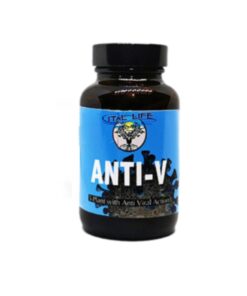
Anti-V Herbal Capsules, Natural Immune & Antioxidant Support, Plant-Based Daily Wellness Formula

Alkaline Herb Formulas
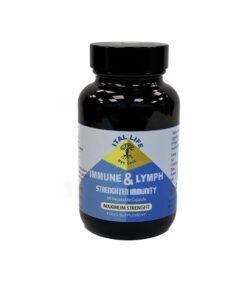
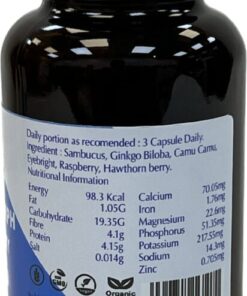
Immune & Lymph Herbal Capsules | Natural Lymphatic & Immune Support & Wellness Formula
Alkaline Herb Formulas
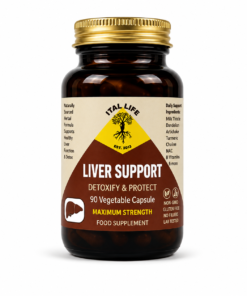
Liver Support Herbal Capsules | Natural Liver, Bile & Digestive Support | Plant-Based Herbal Formula

Alkaline Herb Formulas
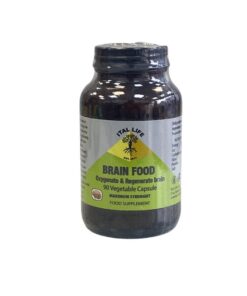
BRAIN FOOD Herbal Capsules | Natural Memory, Focus & Cognitive Support
Support Packs
Reviews
There are no reviews yet.