

 ITAL LIFE
 EARTH’S CREATION
 NACHER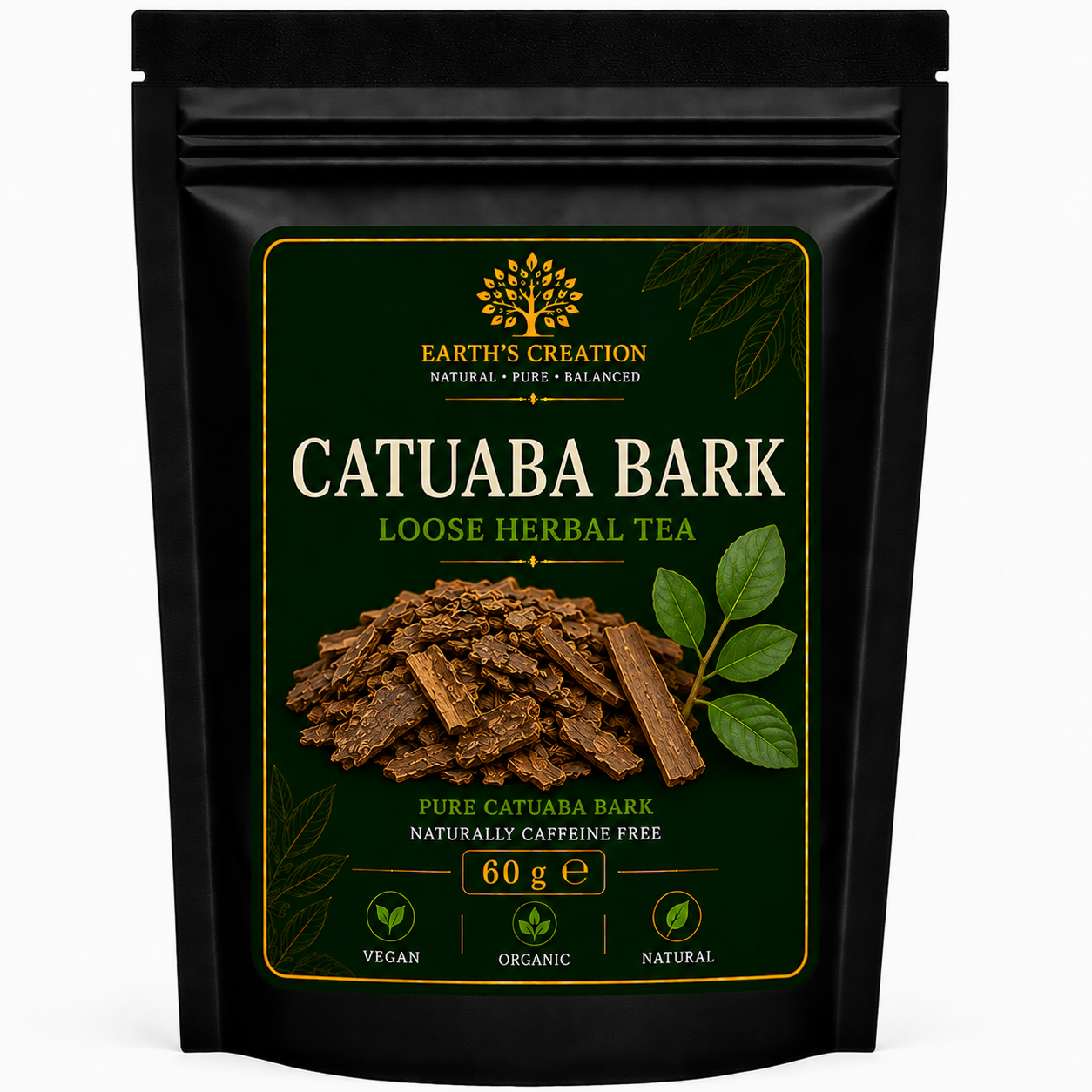
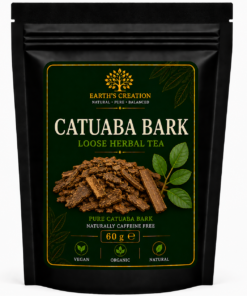
Catuaba Bark – Traditional Brazilian Botanical
Catuaba Bark is a traditional Brazilian botanical with a long history of use in South American herbal practices. The name “catuaba” has been associated with several plants in Brazil, where preparations made from bark have become part of established folk-herbal traditions.
Unlike a single universally defined botanical species, catuaba can refer to material obtained from different plants depending on its geographical origin and supplier. This makes accurate botanical identification particularly important when purchasing or researching catuaba.
Traditionally, the bark has been prepared in various botanical preparations and is particularly associated with Brazilian herbal culture. Today it is sold internationally as dried bark, powder, extracts and as an ingredient in herbal blends.
For people interested in traditional South American botanicals, Catuaba Bark provides a distinctive alternative to more familiar European and Asian herbs.
What Is Catuaba Bark?
The term catuaba is somewhat unusual because it does not always identify one specific plant.
Several botanical species have historically been sold under the catuaba name. Depending on the source, customers may encounter botanical names such as Trichilia catigua and other species associated with Brazilian catuaba traditions.
For that reason, the botanical species stated by the supplier should be used on the product label whenever possible.
The bark itself is typically dried and cut into pieces before being supplied as a traditional botanical ingredient.
Its woody appearance, characteristic aroma and South American heritage make it noticeably different from dried leaves and flowers.
Traditional Use of Catuaba
Catuaba has developed a particularly strong reputation within Brazilian traditional herbal culture.
Historically, preparations made from the bark have been associated with vitality and general wellbeing. It is also commonly described in traditional literature as an aphrodisiac botanical.
These historical associations are an important part of catuaba’s cultural story, but they should not be confused with established medical effects.
A general dried Catuaba Bark product should not be advertised as treating erectile dysfunction, infertility or other medical conditions unless the particular product has appropriate evidence and regulatory authorisation for such claims.
Traditional botanical history can be described accurately without promising medical outcomes.
A Distinctive South American Herbal Bark
Many familiar herbal products are leaves, flowers or roots. Bark provides a noticeably different type of botanical material.
Catuaba’s woody character reflects the part of the plant from which it is obtained, while its Brazilian heritage distinguishes it from European barks and roots commonly found in traditional herbal collections.
For customers interested in botanicals from different cultures, catuaba offers an opportunity to explore an ingredient strongly associated with South American herbal traditions.
Its history also demonstrates why common names alone are not always enough to identify herbal ingredients accurately.
Preparing Dried Catuaba
Woody botanical materials are generally prepared differently from delicate leaves and flowers.
Traditional bark preparations may involve gently simmering the dried material in water rather than simply steeping it briefly. This type of preparation is commonly known as a decoction.
However, preparation methods can vary depending on the botanical species, form and intended use.
Always follow the directions supplied with your specific product. Do not assume that instructions intended for a concentrated catuaba extract also apply to ordinary dried bark.
The botanical may also be incorporated into appropriate herbal blends according to individual preference.
Botanical Identity Matters
One of the most important considerations when purchasing Catuaba Bark is knowing its botanical identity.
Research literature and commercial products have historically used the name catuaba for material originating from several plants. This can make comparisons between different products difficult.
For example, Trichilia catigua is one species commonly associated with catuaba in Brazilian herbal products, but it should not automatically be assumed to be the species in every packet labelled catuaba.
If your supplier provides the exact Latin botanical name, include it in your product specification and label.
This gives customers more precise information and makes it easier to research the botanical they are actually purchasing.
Catuaba and Modern Research
Various plants sold as catuaba have attracted scientific interest, and researchers have investigated their naturally occurring botanical constituents.
However, findings involving isolated compounds, laboratory experiments or concentrated extracts should not automatically be applied to an ordinary dried-bark product.
Different catuaba species can also have different chemical compositions, making exaggerated generalisations particularly inappropriate.
For a dried retail botanical, its traditional heritage, geographical associations and botanical characteristics provide useful information without relying on unsupported medical claims.
Why Choose Catuaba Bark?
Catuaba may appeal to customers exploring traditional botanicals because of its:
- Long history within Brazilian herbal traditions
- Distinctive dried-bark form
- South American botanical heritage
- Traditional association with vitality
- Interesting cultural history
- Suitability for appropriate traditional preparations
- Woody botanical character
- Place within Brazilian folk-herbal practice
These characteristics make it a fascinating addition to a diverse botanical collection.
Building Your Herbal Collection
A varied herbal collection can include leaves, roots, flowers, seeds, vines and bark originating from many different regions.
Catuaba introduces a particularly interesting Brazilian ingredient alongside other traditional South American botanicals.
Explore our other traditional dried herbs and botanical products to expand your herbal collection.
For example, your Cat’s Claw Vine product would make a relevant internal link because both products have strong South American botanical associations.
Important Information
Catuaba Bark should be used responsibly and according to the directions supplied with the particular product.
Because “catuaba” can refer to different botanical species, safety information may depend partly on the exact plant supplied.
Anyone who is pregnant or breastfeeding, taking medication, living with an existing medical condition or uncertain whether catuaba is appropriate should seek professional healthcare advice before use.
Herbal products should not replace prescribed medicines or necessary medical treatment.
Discover Traditional Catuaba Bark
With its Brazilian heritage, distinctive woody character and fascinating traditional history, Catuaba Bark offers something noticeably different from many familiar dried herbs.
Whether you’re exploring South American botanicals for the first time or expanding an established collection, catuaba provides an opportunity to discover an ingredient with generations of Brazilian herbal tradition behind it.
Explore our other traditional South American botanicals, including Cat’s Claw Vine, to expand your herbal collection.
One plant associated with Brazilian catuaba is Trichilia catigua, which can be explored through the Royal Botanic Gardens, Kew botanical database.
Only logged in customers who have purchased this product may leave a review.
Related products

Alkaline Herb Formulas
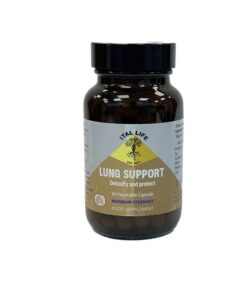
Lung Support Herbal Capsules, Natural Respiratory & Lung Health Support

Alkaline Herb Formulas
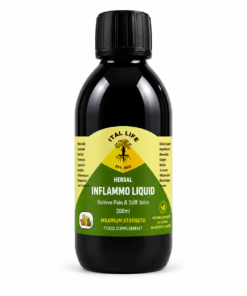
Inflammo Liquid Herbal Tonic | Joint, Inflammation & Mobility Support | Plant-Based Herbal Formula

Alkaline Herb Formulas
Heart Support Herbal Capsules | Natural Cardiovascular & Circulation Support

Alkaline Herb Formulas
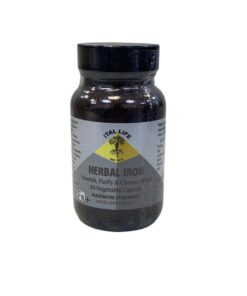
Herbal Iron Compound Capsules, Natural Iron & Blood Support.

Alkaline Herb Formulas
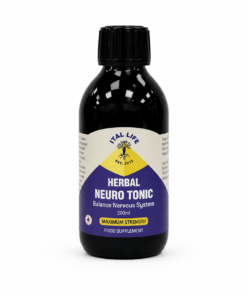
Neuro Tonic Herbal Supplement | Natural Nervous System Support,

Alkaline Herb Formulas
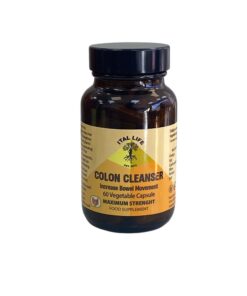
Colon Cleanser Compound Herbal Capsules | Gut Cleanse & Bowel Wellness Formula
Alkaline Herb Formulas
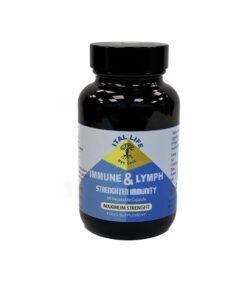
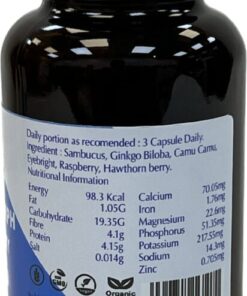
Immune & Lymph Herbal Capsules | Natural Lymphatic & Immune Support & Wellness Formula
Alkaline Herb Formulas
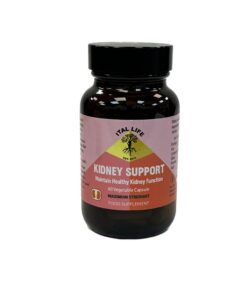
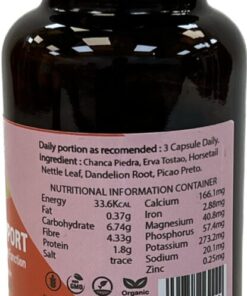
Kidney Support Herbal Capsules | Natural Kidney & Urinary Tract Support.
Reviews
There are no reviews yet.