

 ITAL LIFE
 EARTH’S CREATION
 NACHER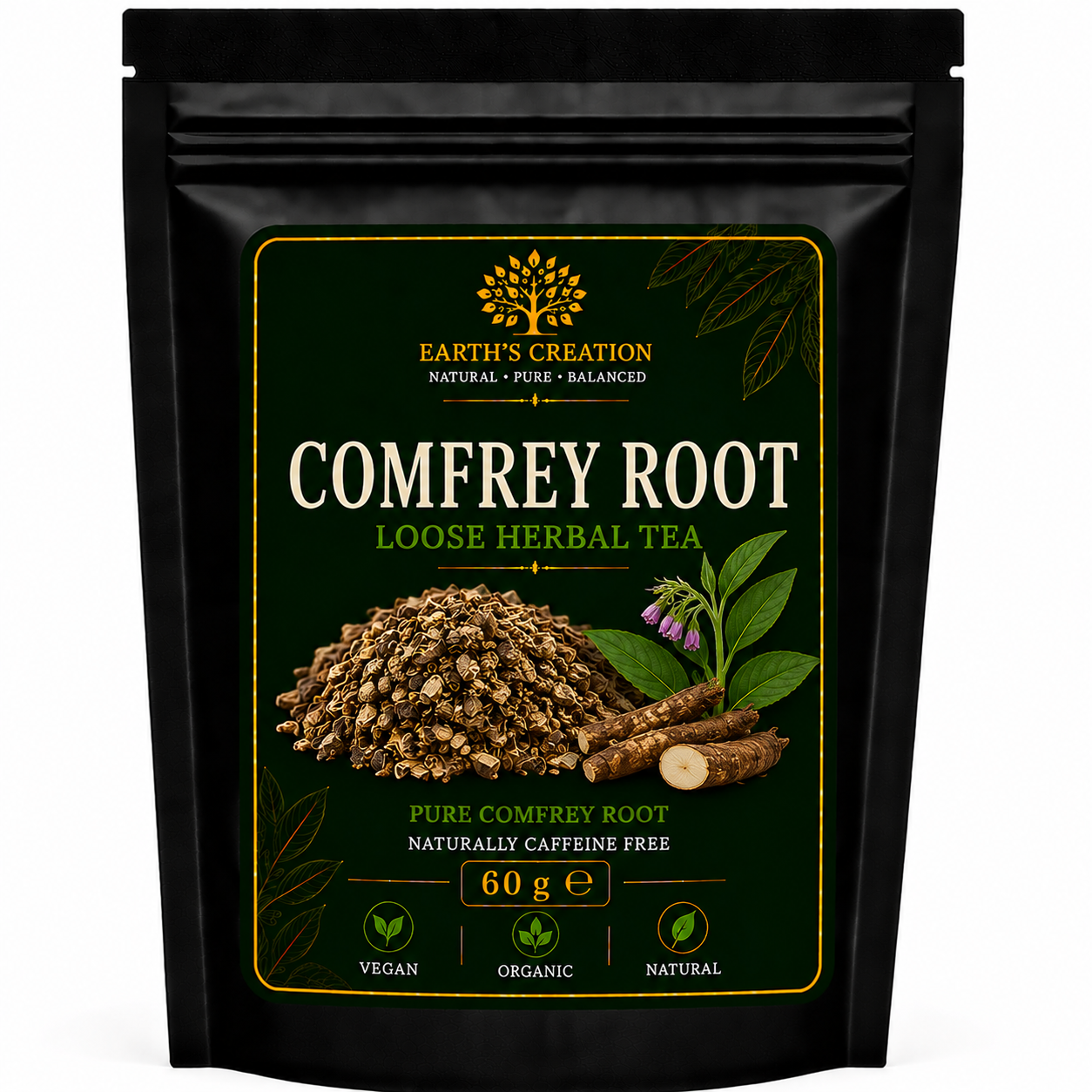
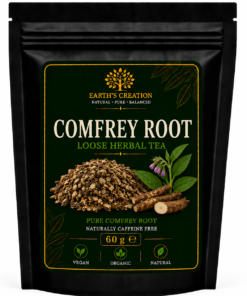
Comfrey Root – Traditional European Botanical
Comfrey Root is a traditional botanical obtained from Symphytum officinale, a perennial plant with a long and fascinating history in European herbal practice. Recognisable by its large leaves, bell-shaped flowers and substantial dark root system, comfrey has been known and cultivated for generations.
The plant belongs to the Boraginaceae family and naturally occurs across parts of Europe and western Asia. Over time, it has also become established in many other regions.
The root is typically dark on the outside and lighter internally. Once harvested, cleaned and carefully dried, it becomes a distinctive botanical ingredient with a very different appearance and texture from dried leaves and flowers.
Because comfrey requires some important safety considerations, it is particularly important to understand the difference between its traditional history and how modern authorities recommend it should be used.
What Is Comfrey Root?
Comfrey Root generally refers to the root of Symphytum officinale, commonly known simply as comfrey.
The plant is a vigorous perennial that often grows in damp grasslands, riverbanks and other moist environments. Its leaves are large and hairy, while its flowers can range in colour from cream and pink to purple.
The substantial root system is the part represented in this dried botanical product.
The scientific name Symphytum officinale is useful for accurate identification because several related Symphytum species and hybrids may also be referred to informally as comfrey.
Always use the botanical species provided by your supplier on the final product specification.
Traditional Uses of Comfrey
Comfrey has a particularly long history in European herbal traditions.
Historically, different parts of the plant were prepared in various ways. Its traditional reputation is reflected in old common names such as knitbone, a name connected with historical external applications.
These traditions are an interesting part of European botanical history, but historical use should not be treated as evidence that an ordinary dried root can heal broken bones or treat injuries.
Modern knowledge about the naturally occurring compounds in comfrey also means that some historical practices are no longer considered appropriate.
Comfrey Root and Modern Herbal Use
Comfrey requires more caution than an everyday culinary herb.
The plant naturally contains compounds known as pyrrolizidine alkaloids, often abbreviated to PAs. These substances are an important safety consideration because some pyrrolizidine alkaloids can cause serious liver toxicity when taken internally.
For that reason, Comfrey Root should not be promoted as an everyday herbal tea or food ingredient.
This is particularly important when writing online product information. Traditional descriptions found in old herbal books may include internal uses that would not be appropriate to recommend today.
A responsible modern listing should clearly explain the botanical’s traditional heritage while avoiding suggestions that customers should routinely consume the dried root.
A Distinctive Traditional Root
Comfrey provides an interesting example of why traditional botanicals need to be understood individually.
Some herbs have extensive culinary histories, while others have primarily been associated with external preparations. A plant’s traditional reputation does not automatically determine how it should be used today.
The root has a substantial, earthy appearance that makes it visually different from delicate herbal flowers or green leafy botanicals.
For customers interested in the history and identification of traditional European plants, comfrey remains a particularly recognisable botanical.
Symphytum officinale – Botanical Identity
The botanical name most commonly associated with common comfrey is Symphytum officinale.
Using the Latin name alongside Comfrey Root provides customers with a more precise botanical reference and helps distinguish it from related plants.
This matters because botanical identity can influence the characteristics and composition of herbal products.
If your supplier documentation confirms Symphytum officinale, consider displaying the Latin name clearly within your product information.
Why Is Comfrey Traditionally Called Knitbone?
One of the more fascinating aspects of comfrey is the history behind its traditional names.
The terms knitbone and boneset have historically been associated with comfrey because of its reputation within traditional external herbal practices.
However, common names can create confusion. The North American plant commonly sold as Boneset Herb is Eupatorium perfoliatum and is botanically different from comfrey.
This is another excellent example of why scientific botanical names are useful when identifying traditional herbs.
Traditional Botanical Heritage
Comfrey may interest customers researching:
- Traditional European botanicals
- Dried botanical roots
- Historical herbal practices
- Symphytum officinale
- Traditional external herbal preparations
- European plant heritage
- Individual botanical ingredients
- Historical uses of medicinal plants
Its centuries of traditional history make comfrey an interesting botanical even without making exaggerated health claims.
Building Your Botanical Collection
A varied botanical collection can contain roots, leaves, flowers, bark, seeds and other plant ingredients.
Comfrey introduces a traditional European root with a particularly interesting history.
Explore our other traditional botanicals, including Burdock Root, to discover more dried roots and herbal ingredients.
Although burdock and comfrey are both sold as dried roots, they are entirely different botanical species and should always be treated according to their individual characteristics.
Important Safety Information
This section is especially important for Comfrey Root.
Comfrey contains naturally occurring pyrrolizidine alkaloids, and internal consumption can present a risk of serious liver damage. Do not assume that historical recommendations for comfrey tea or internal preparations remain appropriate today.
The UK’s Medicines and Healthcare products Regulatory Agency has warned about the risks associated with pyrrolizidine alkaloids in herbal products.
Anyone considering a comfrey preparation should follow the product’s intended use and safety directions carefully. Pregnant or breastfeeding people, children, people with liver problems and anyone taking medication should seek appropriate professional advice.
Do not use this product as a substitute for medical treatment, and do not apply herbal preparations to serious wounds or injuries in place of appropriate medical care.
Discover Traditional Comfrey Root
With its substantial root, European heritage and centuries of botanical history, Comfrey Root remains one of the more recognisable traditional European plants.
Its history is also a useful reminder that “traditional” and “natural” do not automatically mean suitable for unrestricted use.
For customers researching historical botanicals and traditional plant ingredients, Symphytum officinale provides a fascinating example of how herbal knowledge and modern safety understanding continue to develop.
Explore our Burdock Root for another traditional dried botanical root with a long history of herbal use.
For independent safety information about comfrey, see the National Institutes of Health LiverTox resource.
Only logged in customers who have purchased this product may leave a review.
Related products

Alkaline Herb Formulas

Alkaline Herb Formulas
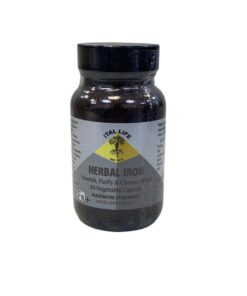
Herbal Iron Compound Capsules, Natural Iron & Blood Support.
Alkaline Herb Formulas
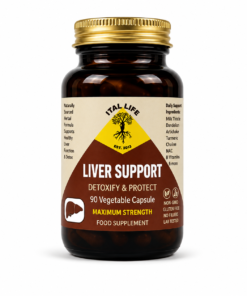
Liver Support Herbal Capsules | Natural Liver, Bile & Digestive Support | Plant-Based Herbal Formula

Alkaline Herb Formulas
BRAIN FOOD Herbal Capsules | Natural Memory, Focus & Cognitive Support

Alkaline Herb Formulas
Anti-V Herbal Capsules, Natural Immune & Antioxidant Support, Plant-Based Daily Wellness Formula
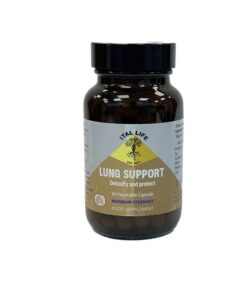

Alkaline Herb Formulas
Lung Support Herbal Capsules, Natural Respiratory & Lung Health Support
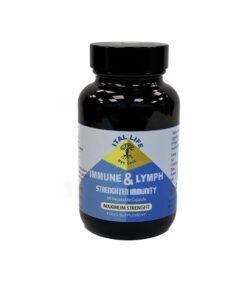
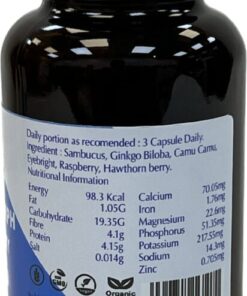
Alkaline Herb Formulas
Immune & Lymph Herbal Capsules | Natural Lymphatic & Immune Support & Wellness Formula
Reviews
There are no reviews yet.