

 ITAL LIFE
 EARTH’S CREATION
 NACHER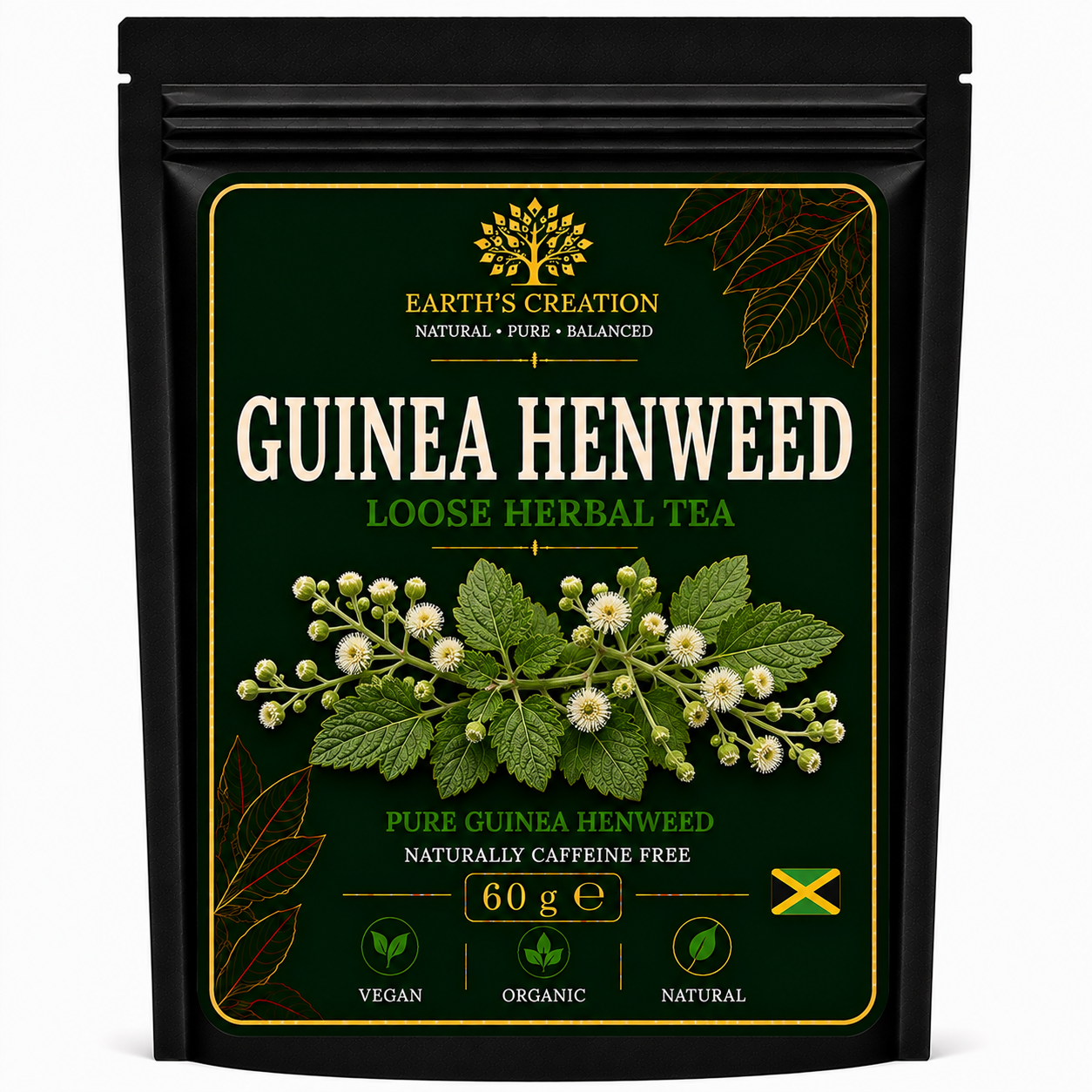
Guinea Henweed – Powerful Traditional Caribbean Herb
Guinea Henweed is a distinctive tropical botanical commonly identified as Petiveria alliacea. The plant has a long history within Caribbean, Central American and South American traditional botanical practices and is known by several regional names.
In Jamaica and other parts of the Caribbean, knowledge of local herbs has been passed through generations as part of a rich tradition of bush and botanical preparations. This plant is particularly interesting because of its strong natural aroma, tropical heritage and extensive history of traditional use.
Petiveria alliacea is a perennial herb or small shrub belonging to the Petiveriaceae family. Once appropriately harvested and dried, its aerial material provides a distinctive addition to collections of Caribbean herbs and traditional tropical botanicals.
What Is Guinea Henweed?
Guinea Henweed is commonly associated with Petiveria alliacea, a tropical species native to parts of the Americas.
The plant develops green leaves and slender flower spikes bearing numerous small flowers. One of its most noticeable characteristics is its strong odour, which can become particularly apparent when the plant material is crushed.
This distinctive aroma has contributed to some of the colourful common names associated with the species.
Depending on the country or community, Petiveria alliacea may be known by several names, making the scientific botanical name especially useful when identifying the plant accurately.
A Traditional Caribbean Botanical
The Caribbean has an exceptionally diverse history of plant use.
Generations of knowledge surrounding locally available leaves, roots, bark and other botanical materials have contributed to what is commonly described in Jamaica as bush-herb tradition.
Guinea henweed forms part of this broader tropical botanical heritage.
Its history is not limited to Jamaica, however. Traditional knowledge concerning Petiveria alliacea occurs across different areas of tropical America, where regional communities have developed their own names and preparations for the plant.
This geographical diversity makes it an interesting ingredient for customers exploring traditional Caribbean and tropical American botanicals.
Traditional Uses of Guinea Henweed
Guinea Henweed has been associated with numerous folk-herbal preparations across the regions where it grows.
Traditional accounts have linked the plant with general wellness, discomfort and a variety of other folk applications.
However, traditional use needs to be distinguished from established medical evidence.
In particular, strong online claims suggesting that guinea henweed can cure cancer, destroy tumours, treat diabetes or eliminate serious infections should not be repeated as established facts.
Research into Petiveria alliacea and its naturally occurring compounds does not mean an ordinary packet of dried herb has been clinically demonstrated to treat serious disease.
A responsible product listing can celebrate its genuine cultural and botanical history without promising medical outcomes.
Petiveria alliacea – Botanical Identity
The scientific name Petiveria alliacea gives customers a precise way to identify this traditional plant.
Interestingly, it belongs to the same botanical family, Petiveriaceae, as Rivina humilis — the Jamaican plant identified in your Dog Blood Bush product.
Despite sharing a botanical family, the two are separate species and should not be confused.
Displaying the Latin name prominently helps customers distinguish guinea henweed from other Caribbean herbs that may have similar regional names.
A Plant With a Distinctive Aroma
One particularly memorable characteristic of this botanical is its strong natural smell.
The leaves and other portions can release a pungent aroma when crushed or handled. This characteristic has historically inspired common names associated with garlic-like odours in some regions.
The unusual scent is caused by naturally occurring plant constituents.
For customers accustomed to mild floral botanicals such as chamomile, the character of this tropical herb can therefore be surprisingly different.
This strong botanical personality is part of what makes it an interesting addition to a varied herbal collection.
Traditional Knowledge and Modern Research
Plants with extensive histories of folk use often become subjects of scientific investigation.
Researchers have examined Petiveria alliacea and various naturally occurring constituents found within the plant.
Laboratory research can be useful for understanding botanical chemistry, but it is important not to turn preliminary findings into unsupported medical claims.
An effect observed in cells, laboratory experiments or animal research does not automatically establish that drinking an herbal preparation will produce the same effect in humans.
Similarly, concentrated extracts studied scientifically may differ substantially from ordinary dried plant material.
This distinction is particularly important when discussing botanicals that are heavily promoted online for serious diseases.
Dried Guinea Henweed
Dried botanical material naturally changes in appearance after harvesting.
Leaves may become darker, stems firmer and the overall texture more brittle as moisture is removed.
Colour, particle size and appearance can also vary somewhat between batches because botanical ingredients are natural agricultural products.
Customers purchasing loose dried material should therefore expect some normal variation rather than the absolute uniformity associated with manufactured products.
Why Choose Guinea Henweed?
This tropical botanical may appeal to customers interested in:
- Jamaican bush herbs
- Traditional Caribbean botanicals
- Petiveria alliacea
- Tropical American herbs
- Caribbean plant traditions
- Individual dried herbs
- Traditional botanical collections
- Lesser-known tropical plants
- Jamaican herbal heritage
Its distinctive aroma and cultural background make it noticeably different from many familiar European herbs.
Explore More Jamaican Botanicals
A varied Caribbean botanical collection can introduce customers to plants with very different appearances, aromas and traditional histories.
Explore our Dog Blood Bush for another distinctive Jamaican botanical with generations of Caribbean herbal heritage.
Your Dog Blood Bush is Rivina humilis, making this a particularly relevant internal connection because both species belong to the Petiveriaceae family while remaining completely separate plants.
Responsible Use of Guinea Henweed
Guinea Henweed should be used according to the directions provided with the specific product.
Because traditional botanicals can contain biologically active plant constituents, natural origin should not automatically be interpreted as meaning unrestricted use is appropriate.
Anyone who is pregnant or breastfeeding, taking prescription medication, managing an existing medical condition or uncertain about using the herb should seek appropriate professional healthcare advice.
It should not be used as a replacement for cancer treatment, diabetes medication, antibiotics or other necessary medical care.
Customers with persistent or serious symptoms should seek appropriate medical assessment rather than relying solely on traditional herbal preparations.
Discover Traditional Guinea Henweed
With its tropical origins, distinctive aroma and generations of traditional botanical history, Guinea Henweed offers an interesting introduction to another aspect of Caribbean plant culture.
Its identification as Petiveria alliacea also gives customers a reliable botanical reference for learning more about the plant beyond its regional common names.
Whether you’re exploring Jamaican bush traditions, Caribbean botanicals or lesser-known tropical herbs, this distinctive plant brings another fascinating piece of tropical American botanical heritage to a varied herbal collection.
Explore our Dog Blood Bush for another distinctive Jamaican botanical with generations of Caribbean herbal heritage.
Learn more about the botanical classification of Petiveria alliacea through the Royal Botanic Gardens, Kew Plants of the World Online database.
Only logged in customers who have purchased this product may leave a review.
Related products


Alkaline Herb Formulas
Colon Cleanser Compound Herbal Capsules | Gut Cleanse & Bowel Wellness Formula

Alkaline Herb Formulas
Lung Support Herbal Capsules, Natural Respiratory & Lung Health Support


Alkaline Herb Formulas

Alkaline Herb Formulas
Anti-V Herbal Capsules, Natural Immune & Antioxidant Support, Plant-Based Daily Wellness Formula



Alkaline Herb Formulas
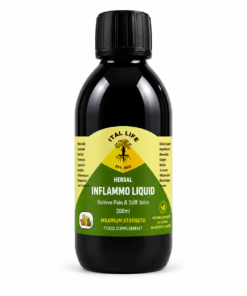
Inflammo Liquid Herbal Tonic | Joint, Inflammation & Mobility Support | Plant-Based Herbal Formula
Reviews
There are no reviews yet.