

 ITAL LIFE
 EARTH’S CREATION
 NACHER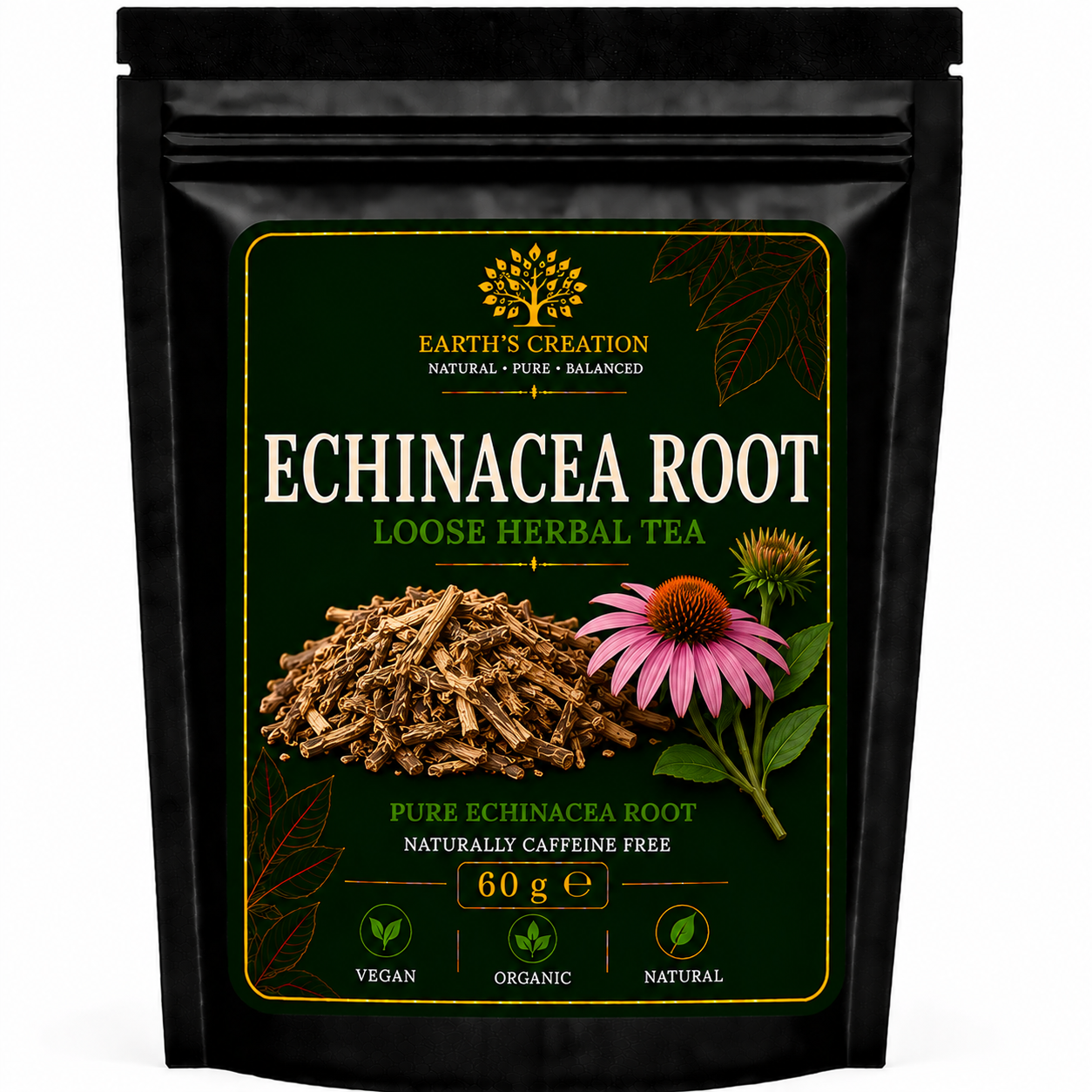
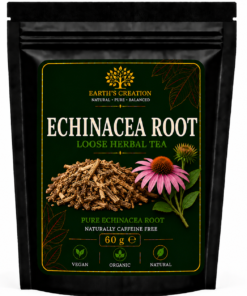
Echinacea Root – Powerful Traditional Botanical
Echinacea Root is a traditional North American botanical obtained from plants belonging to the Echinacea genus. Recognised around the world for their distinctive coneflowers, echinacea plants have a fascinating botanical history and have been incorporated into herbal traditions for generations.
Unlike echinacea aerial herb, which may contain dried leaves, stems and flowers, the root is the underground portion of the plant. Once harvested, cleaned and appropriately dried, it becomes a firm botanical material with an earthy appearance and characteristic aroma.
The root provides an interesting option for customers exploring traditional North American plants, dried herbal roots and individual botanical ingredients.
What Is Echinacea Root?
Several Echinacea species have histories of herbal use, particularly Echinacea purpurea, Echinacea angustifolia and Echinacea pallida.
Because more than one species can be commercially supplied, check the Latin botanical name on your supplier’s packet before adding a specific species to your product specifications.
Echinacea Root refers specifically to root material rather than the aerial portions of the plant.
This distinction is important because different plant parts can have different botanical compositions and may be used in different types of herbal preparations.
Customers purchasing the root should therefore not assume that information or preparation directions for echinacea leaf and flower products apply automatically to the root.
Traditional Uses of Echinacea Root
Echinacea has a long association with traditional North American botanical practices.
Various species were traditionally used by Indigenous peoples of North America before echinacea later became incorporated into Western herbal traditions.
Over time, preparations made from echinacea became especially well known in connection with seasonal wellness and the common cold.
Today, the plant is frequently promoted using phrases such as “immune boosting.” That language can easily become exaggerated.
Traditional use and research involving particular echinacea preparations do not establish that an ordinary dried root will prevent influenza, stop someone from catching a cold or protect against infectious diseases.
For a retail botanical product, it is better to explain the plant’s traditional history accurately without promising medical outcomes.
Echinacea Root and Echinacea Herb
Although both products originate from plants in the same genus, the root and aerial herb are different botanical materials.
Aerial herb generally consists of above-ground portions such as leaves, stems and flowers.
The root develops underground and has a considerably firmer, denser structure.
This distinction is useful for customers because it allows them to select the particular plant part appropriate for their intended botanical preparation.
If you stock both products, keeping Echinacea Herb and the root as separate listings also makes the difference clear in search results.
Traditional Root Preparations
Dried roots generally have a tougher structure than loose leaves and flowers.
Traditional preparation methods may therefore differ from those used for a simple leafy herbal infusion. Depending on the botanical, dried roots have historically been prepared using methods such as decoction, which involves gently simmering the material in water.
Customers should always follow the directions supplied with the particular product.
Loose dried root, powder, capsules, tinctures and concentrated extracts are not necessarily interchangeable and may differ considerably in strength and preparation.
Botanical Identity Matters
The genus Echinacea belongs to the Asteraceae or daisy family.
One of the most familiar species is Echinacea purpurea, commonly known as purple coneflower. However, E. angustifolia and E. pallida have also been used in herbal products.
This is why your supplier’s botanical identification matters.
If your packet says Echinacea purpurea, use that exact name. If it says Echinacea angustifolia, use that instead.
Avoid choosing a species simply because it appears most frequently in online searches.
A Distinctive North American Botanical
Echinacea plants are native to North America and are recognised for their prominent central flower cones.
The genus name itself is derived from a Greek word associated with a hedgehog or sea urchin, referring to the spiny appearance of the central cone.
While the colourful flowers are the most visually recognisable portion of the living plant, the underground roots have their own extensive history within traditional botanical preparations.
This makes the root particularly interesting for customers building collections containing different plant parts.
Echinacea and Modern Research
Echinacea has attracted substantial scientific interest.
Researchers have studied different species, roots, aerial portions, extracts and formulated products. However, these differences make broad conclusions difficult to apply to every commercial echinacea product.
A concentrated or standardised extract investigated in a clinical study can differ substantially from ordinary dried botanical material.
For this reason, research involving one preparation should not automatically be used to make health claims about another.
Accurate botanical information and responsible descriptions give customers a clearer understanding of what they are actually purchasing.
Why Choose Echinacea Root?
This traditional botanical may appeal to customers interested in:
- Traditional North American botanicals
- Dried herbal roots
- Echinacea species
- Historical herbal traditions
- Individual botanical ingredients
- Traditional root preparations
- North American herbal heritage
- Natural dried botanicals
Its substantial root form provides an interesting contrast to softer aerial herbs and flowers.
Explore Echinacea Herb
Customers interested in the different parts of the plant may also want to compare the root with your aerial-herb product.
Explore our Echinacea Herb to discover another traditional botanical preparation from the Echinacea genus.
This is the strongest internal link for this product because it helps customers understand the difference between your two echinacea listings.
Responsible Use of Echinacea Root
Echinacea Root should be used according to the preparation and serving directions supplied with the particular product.
People with known allergies to plants belonging to the Asteraceae family should exercise appropriate caution.
Anyone who is pregnant or breastfeeding, taking medication, managing an existing medical condition or uncertain whether an echinacea preparation is suitable should seek appropriate professional healthcare advice.
People with immune-system disorders or taking immunosuppressive medication should discuss echinacea use with an appropriate healthcare professional.
Herbal preparations should not replace prescribed medicines, vaccination or necessary medical treatment.
Discover Traditional Echinacea
With its North American origins and long history in botanical traditions, Echinacea Root provides a distinctive addition to a varied dried-herb collection.
Whether you’re comparing different portions of the echinacea plant, exploring traditional roots or expanding a collection of North American botanicals, dried echinacea offers an opportunity to discover another aspect of this internationally recognised genus.
Explore our Echinacea Herb to discover another traditional botanical preparation from the Echinacea genus.
Learn more about the botanical classification of Echinacea through the Royal Botanic Gardens, Kew Plants of the World Online database.
Only logged in customers who have purchased this product may leave a review.
Related products

Alkaline Herb Formulas
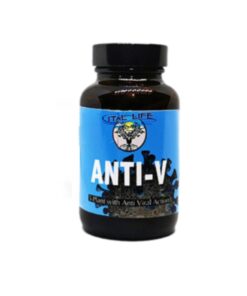
Anti-V Herbal Capsules, Natural Immune & Antioxidant Support, Plant-Based Daily Wellness Formula
Alkaline Herb Formulas
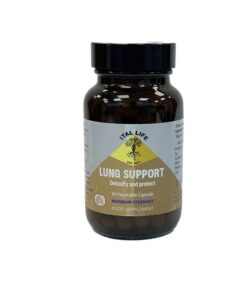
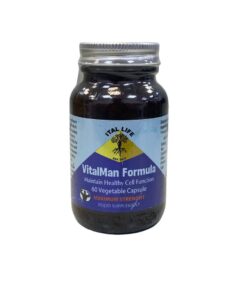
Lung Support Herbal Capsules, Natural Respiratory & Lung Health Support
Alkaline Herb Formulas
Alkaline Herb Formulas
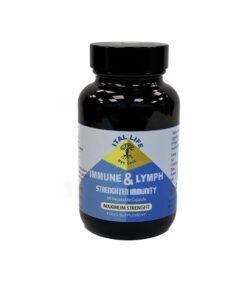
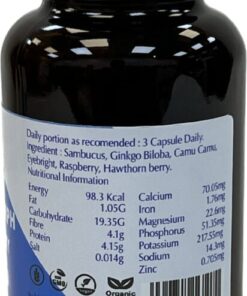
Immune & Lymph Herbal Capsules | Natural Lymphatic & Immune Support & Wellness Formula

Alkaline Herb Formulas
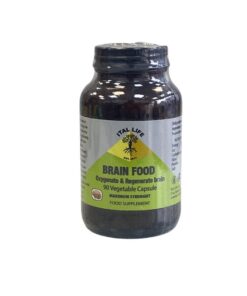
BRAIN FOOD Herbal Capsules | Natural Memory, Focus & Cognitive Support
Alkaline Herb Formulas
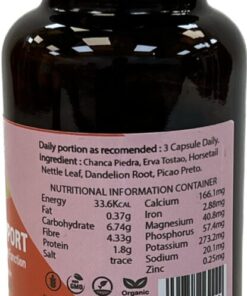
Kidney Support Herbal Capsules | Natural Kidney & Urinary Tract Support.
Reviews
There are no reviews yet.