

 ITAL LIFE
 EARTH’S CREATION
 NACHER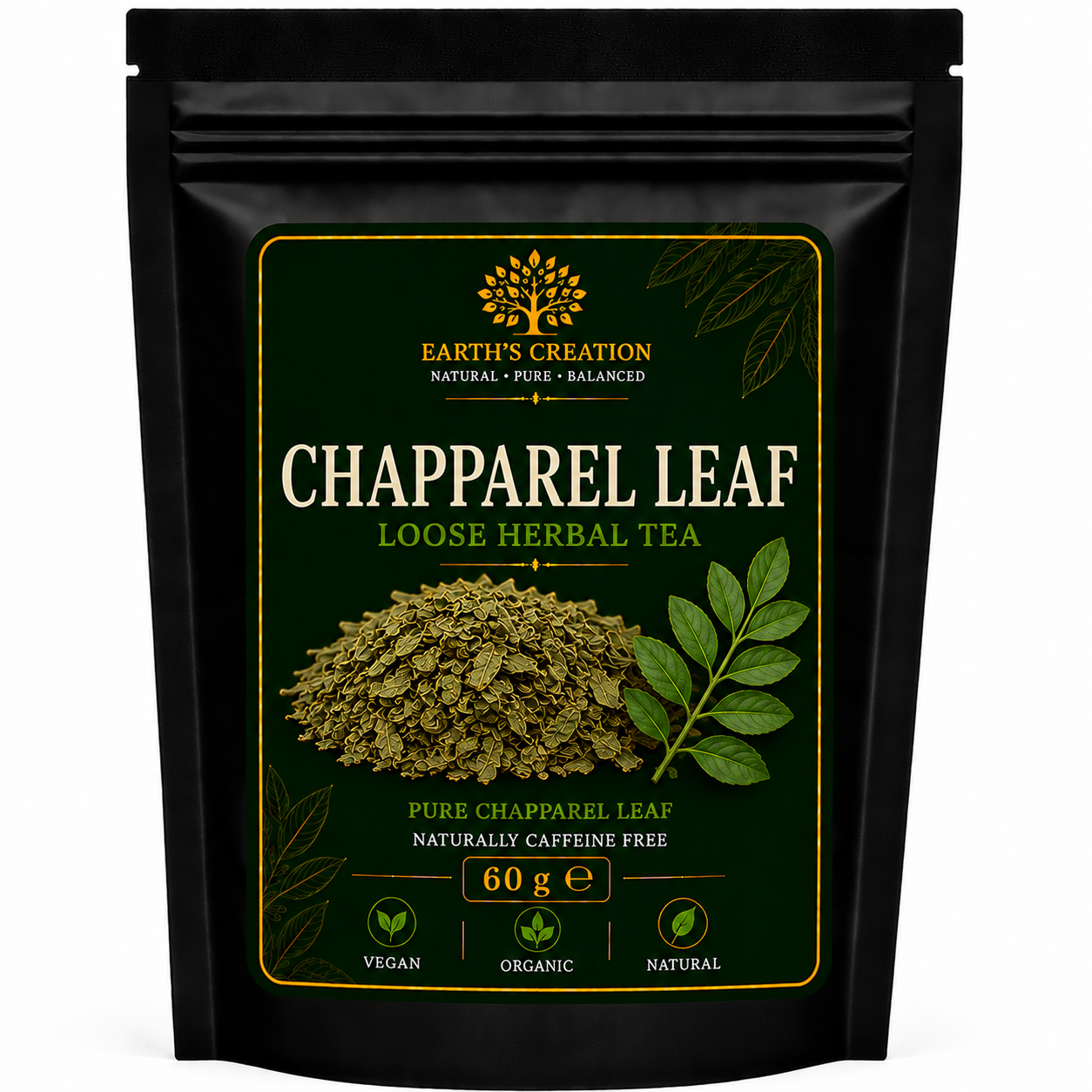
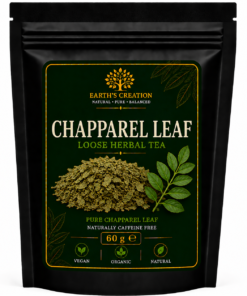
Chaparral Leaf – Traditional Desert Botanical
Chaparral Leaf is a distinctive botanical traditionally associated with the desert regions of North America. Commonly obtained from Larrea tridentata, the plant is also widely known as creosote bush and has a long history within traditional botanical practices.
Larrea tridentata is native from the southwestern and south-central United States into Mexico, where it naturally grows in desert and dry shrubland environments. Its ability to thrive in these demanding landscapes has made chaparral one of the characteristic plants of the region.
With its resinous leaves, strong natural aroma and fascinating desert heritage, dried chaparral is quite different from familiar culinary herbs and conventional herbal teas.
What Is Chaparral Leaf?
Chaparral Leaf comes from Larrea tridentata, a shrub belonging to the Zygophyllaceae family. Kew recognises Larrea tridentata as the accepted botanical name and lists creosote bush and creosote plant among its common names.
The plant produces small resinous leaves and yellow flowers and is particularly adapted to dry environments.
Its resinous botanical character gives the leaves a distinctive aroma that helps distinguish chaparral from many other dried herbs.
Botanical Heritage of Chaparral Leaf
Chaparral has a strong geographical connection with the deserts of the southwestern United States and Mexico.
Unlike many familiar herbs originating in temperate gardens, Larrea tridentata naturally inhabits desert and dry-shrubland environments. Kew records its native distribution across areas including Arizona, California, Nevada, New Mexico, Texas and Utah as well as regions of Mexico.
This desert origin makes Chaparral Leaf an interesting addition for customers building collections of traditional botanicals from different parts of the world.
A Distinctive Resinous Plant
One of chaparral’s most recognisable characteristics is its resinous nature.
The leaves have a strong botanical aroma, particularly noticeable when moisture reaches the plant in its natural desert environment.
World Flora Online describes Larrea tridentata as a strongly scented, resinous, multi-stemmed shrub with green to olive-brown leaflets.
These physical characteristics make chaparral quite different from delicate flowers such as chamomile or softer leafy herbs.
Traditional Botanical Use
Chaparral has historically appeared in traditional botanical practices in North America.
However, traditional use should not be interpreted as proof that Chaparral Leaf can prevent, diagnose, treat or cure disease.
This distinction is particularly important for chaparral because its historical reputation has sometimes resulted in strong health claims being made about the plant.
A responsible product description should concentrate on botanical identity, heritage and traditional context rather than presenting chaparral as a treatment for specific illnesses.
Identifying Genuine Chaparral
When purchasing traditional herbs, botanical identification matters.
The botanical name associated with this product should be Larrea tridentata if that is the species confirmed by your supplier.
Kew currently recognises Larrea tridentata as an accepted species within the genus Larrea.
Using the botanical name alongside Chaparral Leaf helps customers distinguish this plant from unrelated products that might also use regional or historical common names.
Chaparral as a Desert Botanical
Chaparral provides an interesting contrast to many of the herbs traditionally kept in botanical collections.
Flowers such as chamomile contribute delicate floral material, while roots and bark provide heavier woody ingredients. Chaparral introduces the characteristic leaves of a desert shrub.
Its naturally resinous character and geographical heritage make it especially interesting for customers exploring North American and Mexican botanicals.
Building a Diverse Herbal Collection
A broad botanical collection can introduce plants from dramatically different environments and cultural traditions.
Customers interested in Chaparral Leaf may also enjoy discovering roots, bark, flowers, vines and leaves from other traditional botanical systems.
A diverse collection allows customers to compare differences in aroma, appearance, texture and botanical heritage.
Chaparral’s desert origin makes it particularly distinctive within such a collection.
Important Safety Information
Chaparral requires considerably more caution than ordinary herbal teas.
Do not market this product with claims that it “detoxifies,” cleanses the liver, treats cancer, cures infections or treats another medical condition.
Because safety can depend on the product, preparation and intended route of use, customers should follow the supplier’s directions and product warnings carefully.
Anyone taking medication, pregnant or breastfeeding, living with a medical condition, or considering ingesting chaparral should obtain appropriate professional healthcare advice beforehand.
Herbal products should never be used as replacements for prescribed medicines or necessary medical treatment.
Discover Chaparral Leaf
With its resinous character, desert habitat and long association with North American botanical traditions, Chaparral Leaf is a fascinating plant for customers interested in unusual traditional botanicals.
From its tough desert environment to its unmistakable aromatic leaves, Larrea tridentata demonstrates the extraordinary diversity found within the botanical world.
Explore our other traditional botanicals, includingBurdock Root, to expand your herbal collection.
Learn more about the botanical classification and natural distribution of Larrea tridentata through the Royal Botanic Gardens, Kew Plants of the World Online database.
Only logged in customers who have purchased this product may leave a review.
Related products


Alkaline Herb Formulas
Organ Cleanser Herbal Capsules | Natural Liver, Kidney & Digestive Support.


Alkaline Herb Formulas
BRAIN FOOD Herbal Capsules | Natural Memory, Focus & Cognitive Support



Alkaline Herb Formulas
VEGE-INSULIN Herbal Capsules | Natural Blood Sugar & Pancreas Support.

Alkaline Herb Formulas
Alkaline Herb Formulas
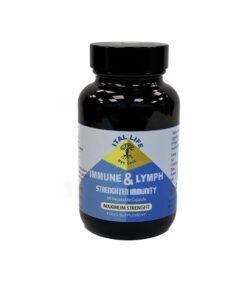
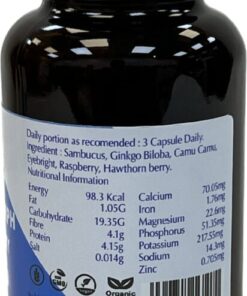
Immune & Lymph Herbal Capsules | Natural Lymphatic & Immune Support & Wellness Formula

Alkaline Herb Formulas
Heart Support Herbal Capsules | Natural Cardiovascular & Circulation Support
Reviews
There are no reviews yet.