

 ITAL LIFE
 EARTH’S CREATION
 NACHER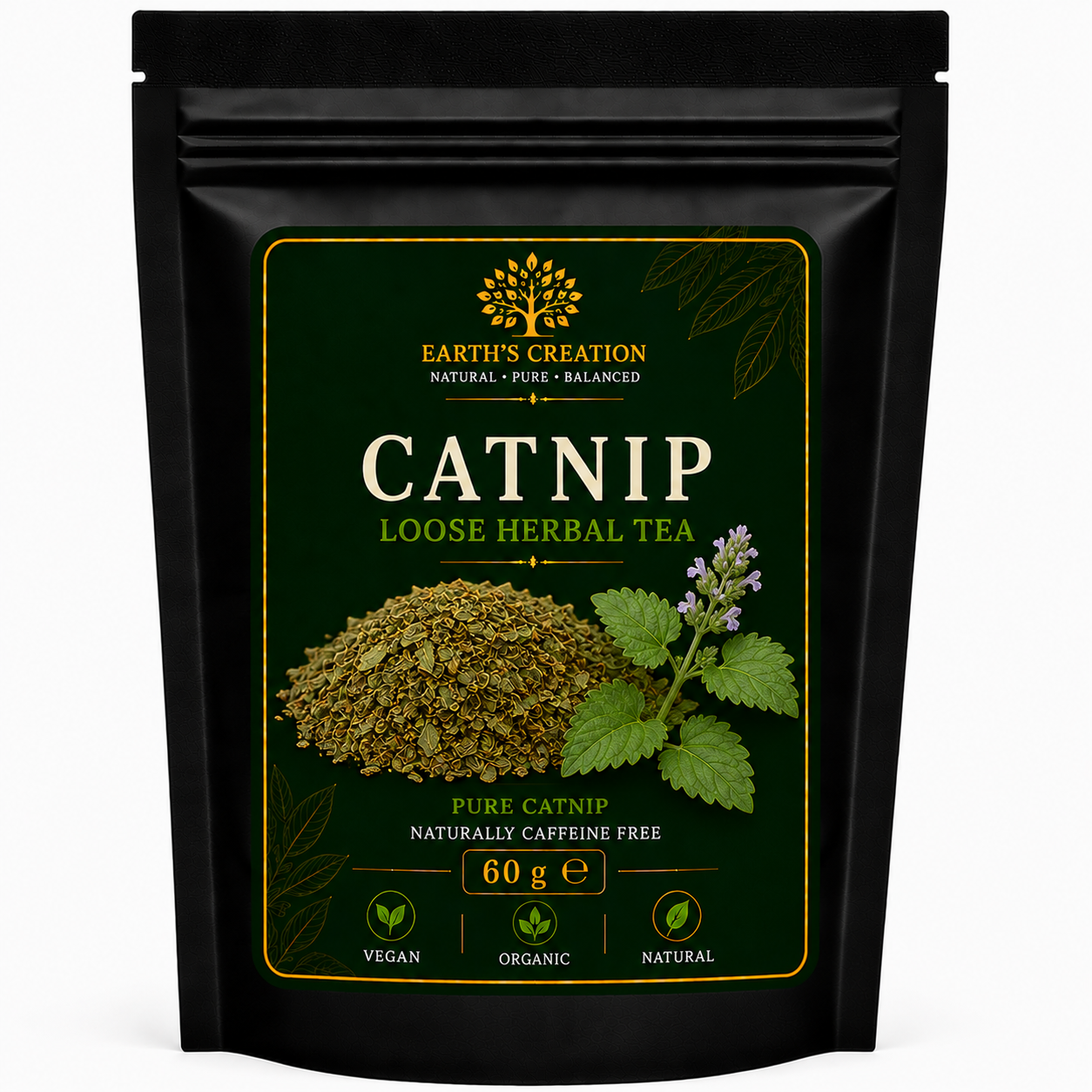
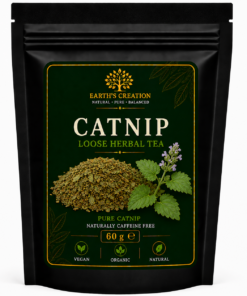
Catnip Herb – Traditional Aromatic Botanical
Catnip Herb is a traditional aromatic botanical obtained from Nepeta cataria, a member of the mint family, Lamiaceae. Although catnip is famous for the unusual reaction it can produce in cats, the plant also has a long history of traditional human use.
The dried aerial parts have historically been incorporated into herbal infusions and other botanical preparations. Its naturally aromatic character and relationship to familiar mint-family plants make it an interesting addition to a varied collection of traditional herbs.
Catnip has soft green-grey leaves and small flowers when growing. Once harvested and dried, the herb retains a distinctive botanical aroma.
For customers exploring traditional European herbs, mint-family plants or individual ingredients for herbal preparations, dried catnip offers something both familiar and unusual.
What Is Catnip Herb?
Catnip Herb comes from the plant botanically known as Nepeta cataria.
The plant belongs to the Lamiaceae family, which includes numerous familiar aromatic herbs such as mint, rosemary, basil, lavender and sage.
Catnip is a perennial herb and has become established in many temperate regions. Its characteristic fragrance comes from naturally occurring aromatic compounds produced by the plant.
One of the best known of these is nepetalactone, a compound strongly associated with the behavioural response catnip produces in many cats.
Interestingly, not every cat responds to catnip in the same way. Sensitivity is influenced partly by genetics, and very young kittens may show little or no reaction.
Traditional Human Use of Catnip
Despite its modern reputation as something primarily intended for cats, catnip also has a history within traditional herbal practices.
Dried leaves and flowering portions have traditionally been prepared as mild botanical infusions.
This historical use is worth distinguishing from modern medical claims. A long history of traditional use does not demonstrate that an ordinary dried herb can prevent, diagnose or cure a medical condition.
For a general botanical product, it is more appropriate to focus on the herb’s traditional heritage, aromatic characteristics and suitability for appropriate herbal preparations.
Catnip Herb for Herbal Infusions
One of the simplest traditional preparations for dried catnip is an herbal infusion.
Leaves and other delicate aerial plant materials generally require less intensive preparation than hard roots or woody bark.
The dried botanical material may be steeped in hot water according to the preparation directions supplied with the particular product.
Its aromatic character also allows catnip to be combined thoughtfully with other suitable herbs.
When creating herbal blends, it is generally better to understand each ingredient individually rather than combining large numbers of botanicals without considering their characteristics.
Nepeta cataria – Botanical Background
The botanical name Nepeta cataria helps distinguish true catnip from other members of the Nepeta genus.
The plant’s relationship with mint becomes apparent through its aromatic foliage and botanical structure.
Catnip has travelled considerably beyond its original geographical range and can now be found growing in many parts of the world.
Its ability to grow readily in suitable environments has also made it a familiar garden plant.
Providing the botanical name alongside Catnip Herb gives customers a useful reference when researching the plant and helps avoid confusion with other species sometimes referred to as catmint.
Catnip and Cats
Of course, it is almost impossible to discuss catnip without mentioning cats.
Many cats react to the plant by sniffing, rubbing, rolling or displaying temporary playful behaviour. This response is associated primarily with nepetalactone.
The effect is usually temporary, and some cats simply show no interest.
However, a dried herbal product sold primarily for human herbal preparation should not automatically be assumed to be a pet product. If a product is intended for animal use, it should be clearly labelled and used appropriately.
This distinction helps customers understand exactly what they are purchasing.
A Distinctive Aromatic Herb
Catnip offers a different character from earthy roots, bitter barks and many traditional dried leaves.
Its mint-family heritage gives it a recognisable aromatic quality, while its unusual cultural association with cats makes it one of the more memorable traditional botanicals.
For people building a collection of individual dried herbs, catnip can sit comfortably alongside other aromatic plants and traditional tea ingredients.
Why Choose Catnip Herb?
Catnip may appeal to customers interested in traditional botanicals because of its:
- Botanical identity as Nepeta cataria
- Membership of the mint family
- Naturally aromatic character
- Long history of traditional botanical use
- Suitability for appropriate herbal infusions
- Distinctive dried-leaf appearance
- Interesting relationship with cats
- Versatility within a botanical collection
Keeping individual herbs also makes it easier to identify exactly which ingredients are being used in each preparation.
Building Your Herbal Collection
A varied botanical collection can contain aromatic leaves, colourful flowers, earthy roots, seeds and bark from many different herbal traditions.
Catnip provides a particularly interesting aromatic leaf that complements many more familiar dried botanicals.
Explore our other traditional dried herbs and botanical products to expand your herbal collection.
Having individual ingredients available also gives customers greater flexibility when choosing botanicals for appropriate preparations and blends.
Important Information
Catnip Herb should be used according to the directions supplied with the product.
Anyone who is pregnant or breastfeeding, taking medication, living with an existing health condition or uncertain whether catnip is appropriate should seek professional healthcare advice before use.
Avoid excessive consumption and discontinue use if an unwanted reaction occurs.
Traditional herbal products should not be used as substitutes for prescribed medication or necessary medical treatment.
Discover Traditional Catnip
With its aromatic mint-family character, distinctive botanical identity and unusual connection with cats, Catnip Herbprovides an interesting addition to a traditional dried-herb collection.
Whether you’re discovering Nepeta cataria for the first time or expanding an established selection of botanicals, catnip offers a fascinating combination of traditional herbal history and distinctive natural characteristics.
Explore our other traditional dried herbs and botanical products to expand your herbal collection.
For independent botanical information about Catnip Herb, see the Royal Botanic Gardens, Kew record for Nepeta cataria.
Only logged in customers who have purchased this product may leave a review.
Related products
All Products
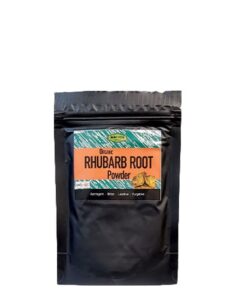
Nacher Herbal Powders
Rhubarb Root Powder 100g | Traditional Digestive & Herbal Detox Support
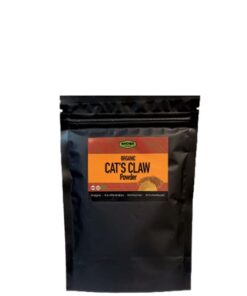
Nacher Herbal Powders
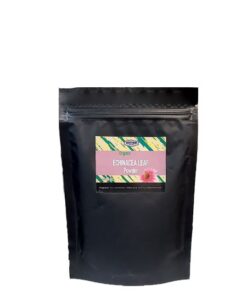
Nacher Herbal Powders
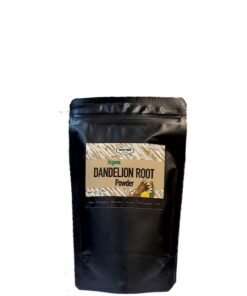
Nacher Herbal Powders
Dandelion Root Powder 100g | Liver, Digestive & Natural Detox Support
Nacher Herbal Powders
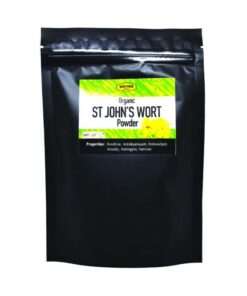
St John’s Wort Powder 100g | Traditional Mood & Emotional Wellbeing Support
All Products
Reviews
There are no reviews yet.