

 ITAL LIFE
 EARTH’S CREATION
 NACHER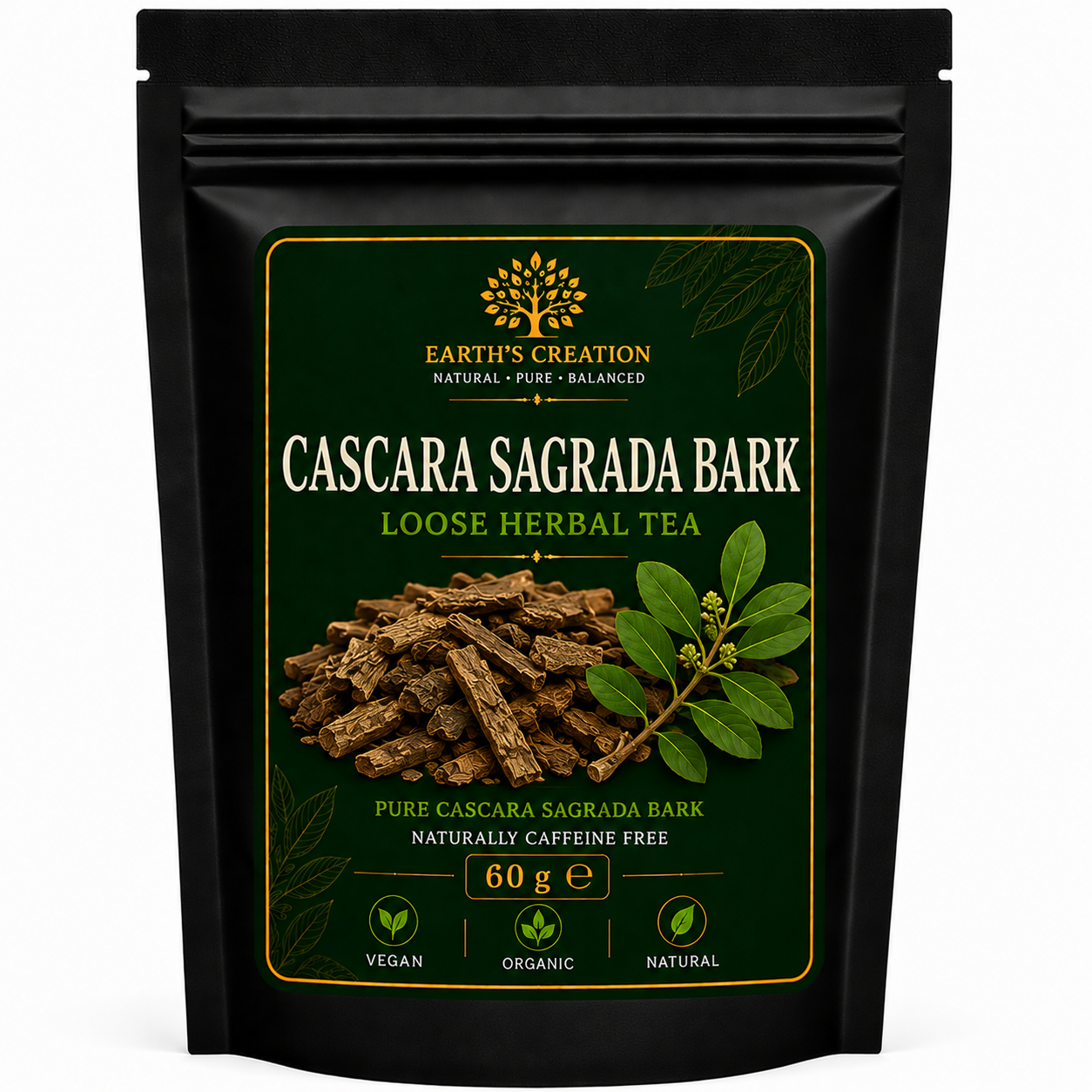
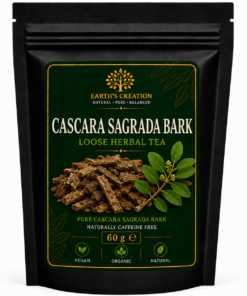
Cascara Sagrada – Traditional North American Bark
Cascara Sagrada is a traditional botanical obtained from the bark of Frangula purshiana, a shrub or small tree native to western North America. The plant has a particularly interesting history and has long been associated with traditional botanical preparations.
The name “cascara sagrada” is commonly translated from Spanish as “sacred bark”, reflecting the importance historically attached to this distinctive botanical.
Modern botanical authorities recognise Frangula purshiana as the accepted scientific name, while the older name Rhamnus purshiana remains widely encountered in herbal literature. Kew recognises Rhamnus purshiana as a synonym of Frangula purshiana.
What Is Cascara Sagrada?
Cascara Sagrada is specifically the bark of the plant rather than its leaves, flowers or roots.
The European Medicines Agency describes cascara as the common name for the bark of Rhamnus purshiana DC. Its assessment covers preparations produced from dried and comminuted bark as well as certain extracts.
The plant belongs to the Rhamnaceae family and naturally occurs across western regions of North America. Kew records its native range as extending from western Canada southwards to Mexico.
Once appropriately harvested and processed, the bark becomes the traditional botanical ingredient known commercially as cascara.
Traditional Use of Cascara Bark
This botanical has a long history within herbal practice, particularly in North America.
Unlike many herbs where traditional claims are based almost entirely on historical records, certain standardised cascara bark preparations have been formally assessed by European medicines authorities.
The European Medicines Agency recognises defined cascara preparations for the short-term treatment of occasional constipation. The EMA classifies this as well-established use rather than simply traditional use.
However, this does not mean an ordinary dried-herb product should be marketed as a treatment for constipation. Medicinal products are prepared and standardised according to specific requirements.
For a general dried botanical product, it is more appropriate to explain the herb’s traditional background without presenting it as a substitute for licensed medicines.
The Botanical Background
The currently accepted botanical name is Frangula purshiana, although Rhamnus purshiana is still frequently encountered.
This difference is useful to understand when researching the herb because older herbal references and modern regulatory documents may use Rhamnus purshiana, while current botanical databases use Frangula purshiana.
Kew recognises the species as a shrub or tree primarily associated with temperate environments. Its native distribution includes areas of British Columbia, California, Idaho, Montana, Oregon, Washington and Mexico.
A Distinctive Traditional Botanical
Dried bark provides a noticeably different botanical ingredient from familiar herbal leaves and flowers.
Its appearance, texture and character reflect the woody portion of the plant from which it originates. For customers interested in traditional herbs, this makes cascara an interesting addition to a varied botanical collection.
Individual botanicals also allow people to learn about the historical origins and traditional applications of plants rather than encountering them only as ingredients within complicated formulations.
Naturally Occurring Plant Constituents
Cascara bark naturally contains compounds known as anthraquinones.
These compounds are particularly important when understanding why cascara requires considerably more care than an ordinary culinary herb. The EMA explains that anthraquinones contained in medicinal cascara preparations affect bowel movements and the absorption of water and salts in the bowel.
For this reason, Cascara Sagrada should not be treated as an everyday wellness tea or casually consumed for prolonged periods.
Responsible product information is particularly important with botanicals that have recognised physiological activity.
Why Choose Cascara Sagrada?
This traditional botanical may interest customers because of its:
- North American botanical heritage
- Traditional dried bark form
- Botanical identity as Frangula purshiana
- Historical synonym Rhamnus purshiana
- Long history within herbal practice
- Distinctive botanical characteristics
- Extensive documentation within herbal literature
- Recognition by European medicines authorities
Its history makes it particularly interesting for people building a collection of traditional botanical ingredients.
Explore Traditional Herbal Ingredients
Traditional herbalism incorporates many different plant parts, including leaves, roots, flowers, seeds and bark.
Cascara demonstrates how bark itself became an important botanical material within historical herbal practice.
Explore our other traditional dried herbs and botanical products to expand your herbal collection.
For your internal link, highlight “traditional dried herbs” and link it to one of your relevant existing product pages.
Important Information About Cascara Sagrada
This section is particularly important for this product.
Cascara Sagrada is intended for short-term use only when used medicinally. The EMA advises that cascara medicines should not normally be taken for more than one week, and prolonged laxative use should be avoided.
The EMA also states that cascara medicines should not be used during pregnancy or breastfeeding or by children under 12 years of age. Long-term use can interfere with normal bowel function and can result in dependence on laxatives.
Anyone taking medication, experiencing persistent digestive or bowel symptoms, or living with a medical condition should consult a doctor or pharmacist before considering cascara.
Herbal products should never replace necessary medical treatment.
Discover Traditional Cascara
With its distinctive bark, North American origins and extensive history within herbal practice, Cascara Sagrada is one of the more recognisable traditional botanical barks.
Its history also demonstrates why traditional herbs should be approached with appropriate knowledge and respect. Natural does not automatically mean suitable for unrestricted or continuous use.
For people researching traditional botanical ingredients, cascara provides a fascinating example of a North American plant whose historical applications have subsequently been examined by modern medicines authorities.
Explore our other traditional dried herbs and botanical products to expand your herbal collection.
For independent information about cascara and its recognised medicinal preparations, see the European Medicines Agency’s assessment of cascara bark.
Only logged in customers who have purchased this product may leave a review.
Related products
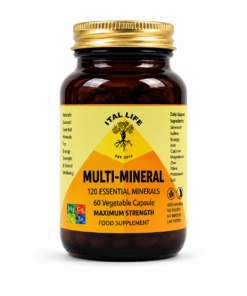
Alkaline Herb Formulas
Multi-Mineral Herbal Capsules | Natural Mineral & Trace Element Support, and Wellness Formula

Alkaline Herb Formulas
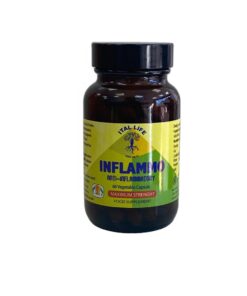
Inflammo Herbal Capsules | Natural Joint & Inflammation Support Wellness Formula

Alkaline Herb Formulas
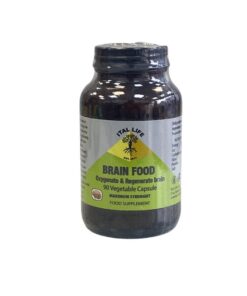
BRAIN FOOD Herbal Capsules | Natural Memory, Focus & Cognitive Support
Alkaline Herb Formulas
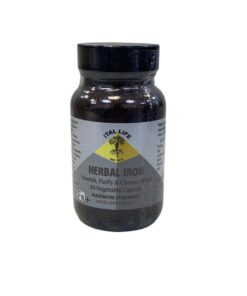
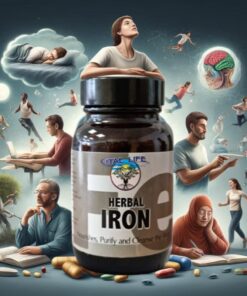
Herbal Iron Compound Capsules, Natural Iron & Blood Support.
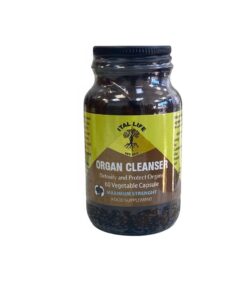

Alkaline Herb Formulas
Organ Cleanser Herbal Capsules | Natural Liver, Kidney & Digestive Support.
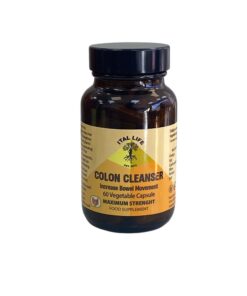
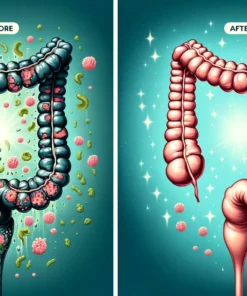
Alkaline Herb Formulas
Colon Cleanser Compound Herbal Capsules | Gut Cleanse & Bowel Wellness Formula
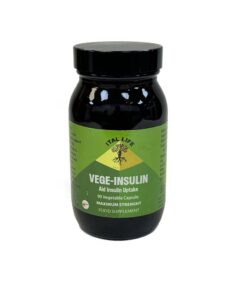
Alkaline Herb Formulas
VEGE-INSULIN Herbal Capsules | Natural Blood Sugar & Pancreas Support.

Reviews
There are no reviews yet.