

 ITAL LIFE
 EARTH’S CREATION
 NACHER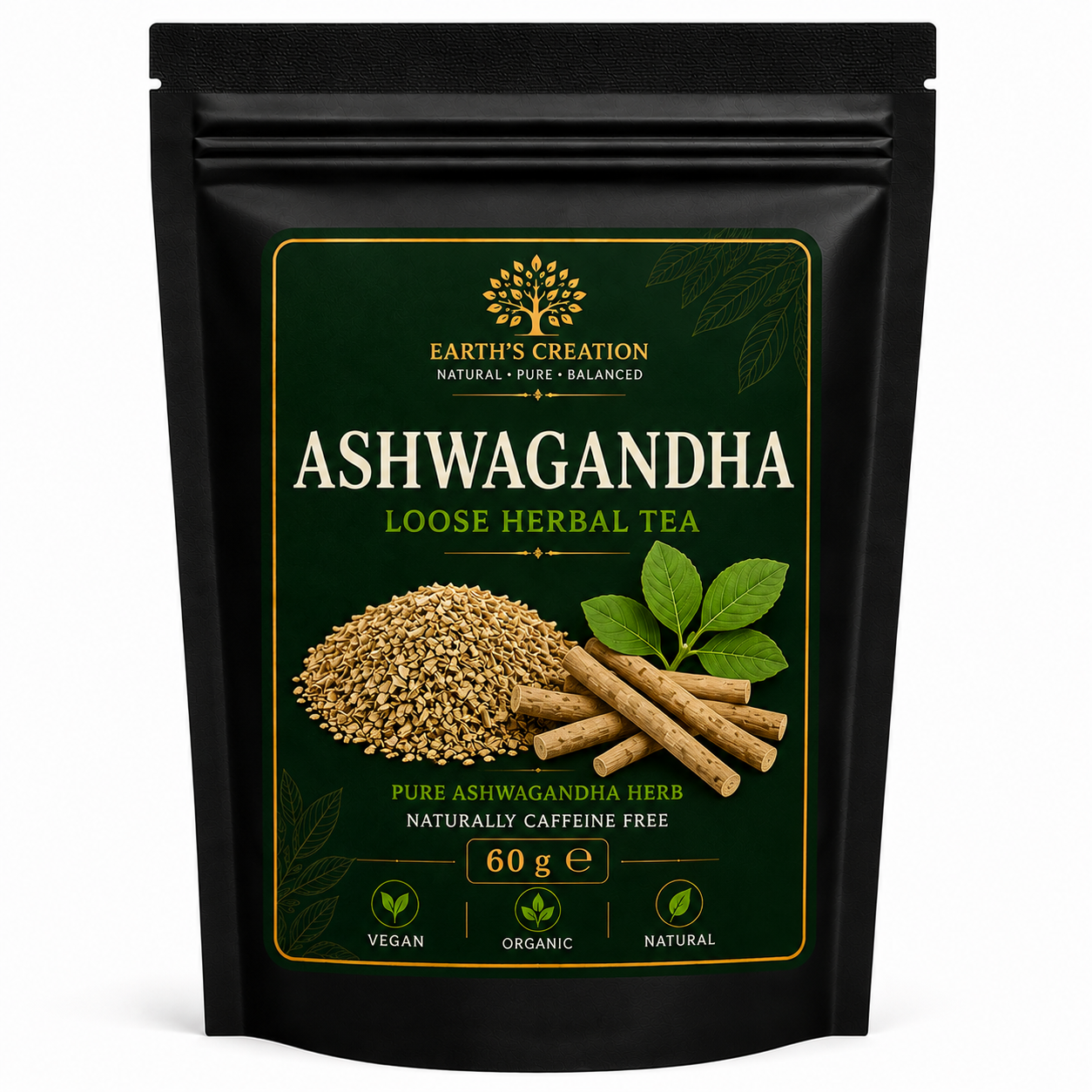
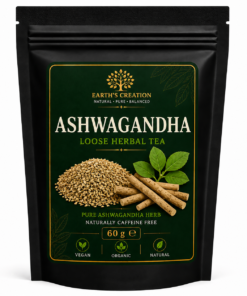
Ashwagandha Root – Traditional Ayurvedic Botanical
Ashwagandha Root is a well-known traditional botanical obtained from Withania somnifera, a plant with a long history of use in traditional herbal practices. Sometimes called winter cherry, ashwagandha has become one of the most recognisable botanicals associated with Ayurveda and traditional Indian herbal preparations.
The plant belongs to the Solanaceae family. Royal Botanic Gardens, Kew recognises Withania somnifera (L.) Dunal as the accepted botanical name and records a broad native range extending from southern Europe through parts of Africa and Asia.
For customers interested in traditional botanicals, Ashwagandha Root provides a versatile addition to a carefully selected herbal collection.
What Is Ashwagandha Root?
Ashwagandha is the common name for Withania somnifera. The plant grows as a shrub or subshrub and produces leaves, flowers and distinctive berries, but the root has become particularly prominent in traditional herbal preparations.
The European Medicines Agency identifies the botanical as Withania somnifera (L.) Dunal and uses the English common name winter-cherry root in its herbal assessment documentation.
Providing the botanical name alongside the common name is useful because it allows customers to identify precisely which plant they are purchasing.
A Botanical With a Long Traditional Heritage
Ashwagandha Root has an extensive history within traditional botanical practices.
Today it can be found in numerous forms, including dried root, powders, extracts and formulated herbal products.
However, traditional use and scientifically established medical effectiveness are not the same thing. This distinction is particularly important when describing herbal products online.
The European Medicines Agency’s Committee on Herbal Medicinal Products has assessed Withania somnifera root. Importantly, the EMA states that an EU herbal monograph was not adopted for ashwagandha root.
For this reason, describing the product through its botanical identity, traditional heritage and general uses in herbal preparations is more appropriate than making promises about treating particular medical conditions.
Ashwagandha Root in Traditional Herbal Preparations
One reason for the continuing popularity of Ashwagandha Root is its versatility.
The root has traditionally been incorporated into various botanical preparations. Modern customers may encounter ashwagandha in herbal powders, blends and other preparations inspired by traditional practices.
Its distinctive character also makes it an interesting ingredient for people building a collection of traditional roots and herbs.
When preparing any botanical product, customers should follow the directions supplied with the particular product rather than assuming that instructions for concentrated extracts or medicinal preparations also apply to loose dried herbs.
Ashwagandha and Ayurveda
Ashwagandha is especially associated with Ayurveda, the traditional Indian system of health and wellbeing.
Its widespread recognition has helped introduce Withania somnifera to customers far beyond its traditional geographical setting.
Today, people interested in traditional herbal practices frequently encounter ashwagandha alongside other well-known botanical roots and herbs.
This heritage is an important part of the story behind Ashwagandha Root, without needing to make exaggerated promises about what the herb will do.
Understanding Modern Ashwagandha Research
Ashwagandha has also attracted considerable modern scientific interest.
Researchers have investigated Withania somnifera and its naturally occurring constituents in numerous contexts. The EMA’s assessment documentation contains an extensive list of scientific literature concerning the plant.
That does not mean every commercial ashwagandha product has been clinically demonstrated to produce the same effects.
Different studies can use different preparations, extracts, concentrations and quantities. Results from a particular standardised extract therefore shouldn’t automatically be presented as evidence for an ordinary dried-root product.
This is why Ashwagandha Root is best presented accurately as a traditional botanical rather than promising specific medical outcomes.
Botanical Identity of Ashwagandha
The accepted botanical name Withania somnifera (L.) Dunal provides an important reference point when identifying authentic ashwagandha.
Kew records Withania somnifera as an accepted species belonging to the genus Withania and the Solanaceae family. Its native distribution is remarkably broad, extending across areas of southern Europe, Africa and Asia.
The plant is primarily associated with subtropical environments.
These botanical details help distinguish genuine Ashwagandha Root from products that may be marketed using similar common names.
A Versatile Addition to Your Herbal Collection
For customers interested in traditional roots and botanicals, Ashwagandha Root offers an opportunity to explore one of the best-known herbs associated with Ayurvedic tradition.
Its distinctive heritage, botanical identity and widespread modern recognition have made ashwagandha an established part of the contemporary herbal world.
It can sit alongside other traditional botanical roots, herbs and herbal preparations as part of a varied collection.
Whether you’re already familiar with Ayurvedic botanicals or are simply discovering them, Ashwagandha Root provides a fascinating connection between traditional herbal practice and today’s renewed interest in plant-based wellness.
Explore our other traditional herbs and botanical products to complement your herbal collection.
For further botanical information about ashwagandha root, see the European Medicines Agency’s assessment of Withania somnifera.
Only logged in customers who have purchased this product may leave a review.
Related products



Alkaline Herb Formulas
Clear Sight Herbal Capsules | Natural Eye Health & Vision Support.

Support Packs


Alkaline Herb Formulas
Lung Support Herbal Capsules, Natural Respiratory & Lung Health Support
Nacher Herbal Powders

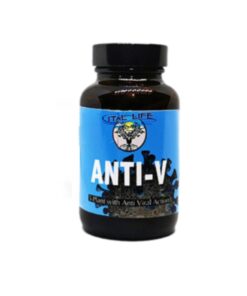

Alkaline Herb Formulas
Anti-V Herbal Capsules, Natural Immune & Antioxidant Support, Plant-Based Daily Wellness Formula


Alkaline Herb Formulas
BRAIN FOOD Herbal Capsules | Natural Memory, Focus & Cognitive Support
Reviews
There are no reviews yet.