

 ITAL LIFE
 EARTH’S CREATION
 NACHER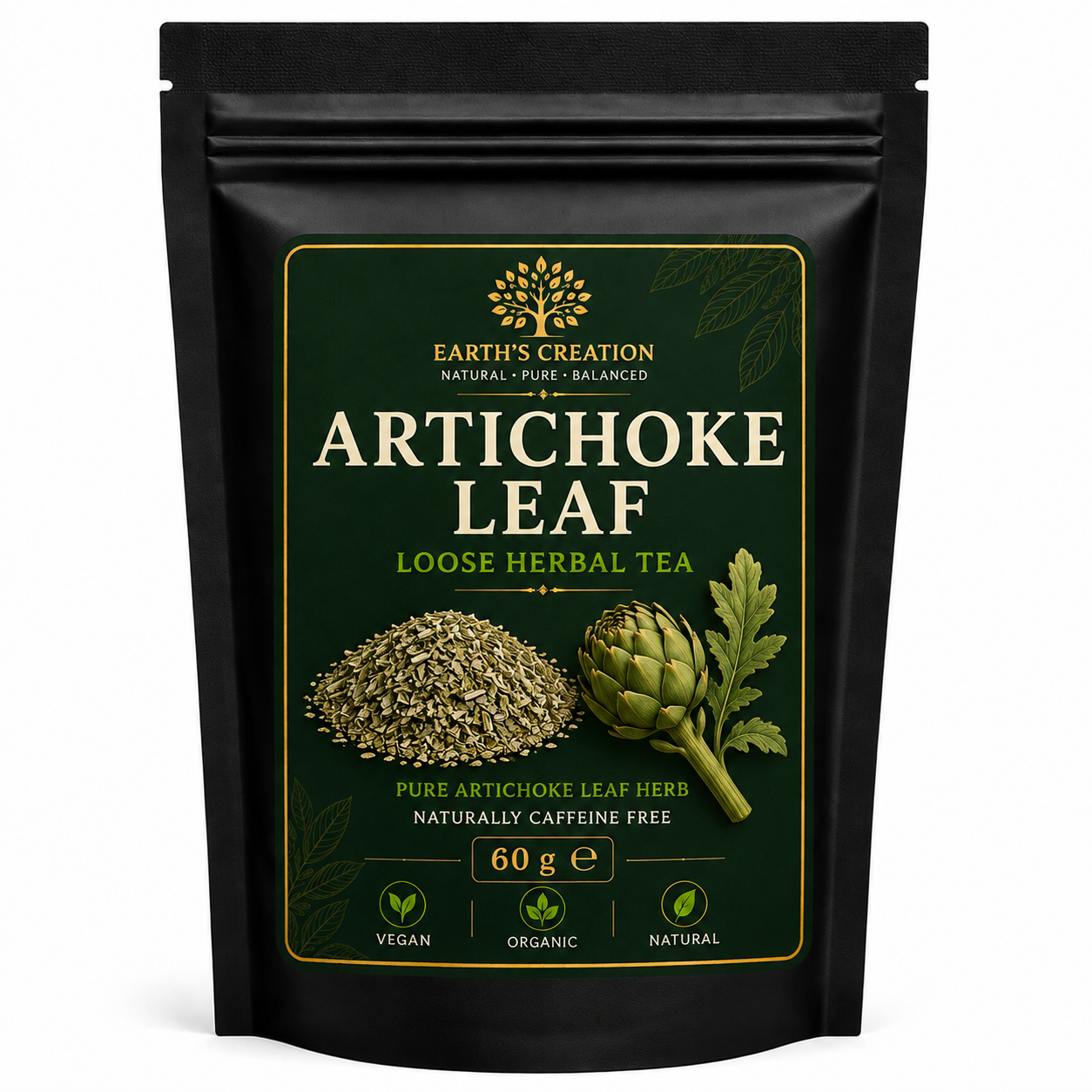
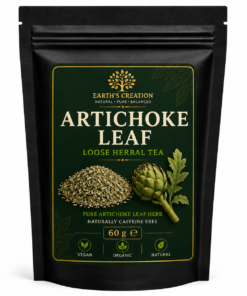
Artichoke Leaf | Traditional Herbal Tea & Digestive Support
£6.00
Artichoke Leaf is a traditional bitter botanical with a long history in European herbal practice. Ideal for herbal infusions and botanical blends, this versatile dried herb makes an excellent addition to a traditional herbal collection.
Artichoke Leaf – Traditional Botanical Herb
Artichoke Leaf is obtained from Cynara cardunculus (syn. Cynara scolymus), the familiar globe artichoke plant traditionally valued both as a food and as a botanical preparation.
While most people recognise artichoke for its edible flower heads, the leaves have also developed a long history of use within European herbal traditions. Dried Artichoke Leaf provides a convenient way to incorporate this distinctive botanical into herbal preparations and blends.
Its naturally bitter character makes it particularly interesting for people exploring traditional bitter herbs and European botanical practices.
What Is Artichoke Leaf?
Artichoke is a member of the Asteraceae family, which includes numerous familiar plants such as dandelion and chicory.
The European Medicines Agency has assessed artichoke leaf as a traditional herbal medicinal ingredient. Its assessment concerns preparations made from the dried or fresh leaves of the plant.
Artichoke leaves contain a variety of naturally occurring plant constituents. However, when selling the dried herb as a general wellness product, it is sensible to distinguish its traditional history from claims that the product can diagnose, treat or cure disease.
A Traditional European Bitter Herb
One of the defining characteristics of Artichoke Leaf is its naturally bitter flavour.
Bitter plants have played an important role in traditional European herbal preparations for centuries. They were commonly incorporated into teas, tinctures and other botanical preparations.
The European Medicines Agency recognises artichoke leaf preparations for traditional use in relieving digestive complaints such as sensations of fullness, bloating and flatulence. This recognition is based upon long-standing traditional use rather than sufficient clinical evidence for a well-established medicinal use.
This distinction is important. It allows customers to understand the traditional background of the herb without presenting the product as a treatment for digestive disease.
Artichoke Leaf for Herbal Infusions
Dried Artichoke Leaf can be incorporated into herbal infusions and botanical blends.
Because artichoke has a pronounced bitter character, some people prefer combining it with complementary herbs rather than preparing a particularly strong infusion on its own.
This also makes Artichoke Leaf useful for people who enjoy experimenting with traditional botanical combinations.
When preparing loose herbs, always follow the directions supplied with the particular product and avoid assuming that medicinal preparation instructions automatically apply to every dried-herb product.
Botanical Heritage of Artichoke
Artichoke has an especially interesting history because it sits comfortably between the worlds of food and traditional herbalism.
The familiar globe artichoke has been cultivated for its edible flower heads, while its leaves have attracted separate interest in herbal preparations.
That heritage makes Artichoke Leaf an appealing ingredient for customers interested in traditional European botanicals and bitter herbs.
It can also complement other traditional dried herbs when building a varied home botanical collection.
Artichoke Leaf and Digestive Traditions
Artichoke Leaf has a particularly strong historical association with digestive preparations.
The European Medicines Agency’s herbal monograph describes traditional medicinal use of artichoke leaf preparations for symptomatic relief of digestive disorders including fullness, bloating and flatulence.
However, these traditional indications refer to defined medicinal preparations. A retail dried herb should therefore not automatically be advertised as treating digestive disorders.
A more responsible approach is to explain the plant’s traditional association with digestive herbal practices while avoiding promises of medical outcomes.
This gives customers useful historical information without overstating what the product itself has been demonstrated to do.
A Versatile Herbal Ingredient
Artichoke Leaf can be a useful addition to a collection containing other traditional bitter and European herbs.
Its distinctive botanical profile makes it particularly suitable for people interested in herbal teas, traditional botanical blends and bitter herbs.
It may be used individually or thoughtfully combined with complementary herbs according to personal preference.
For customers unfamiliar with bitter herbs, starting with a modest amount within a blend may provide a more approachable introduction to artichoke’s characteristic flavour.
Traditional Herbal Wellness
Interest in traditional herbs often comes from a desire to explore simpler botanical preparations and long-established plant traditions.
Artichoke Leaf fits naturally into this approach.
Rather than relying on exaggerated health promises, its value can be appreciated through its botanical identity, characteristic bitterness, culinary relationship and documented history within European herbal practice.
The European Medicines Agency’s assessment provides particularly useful background because it clearly separates traditional medicinal use from conclusions based upon extensive modern clinical evidence.
Add Artichoke Leaf to Your Herbal Collection
Whether you are discovering traditional bitter botanicals or expanding an existing collection of dried herbs, Artichoke Leaf offers a distinctive and versatile choice.
Its long-standing European herbal heritage, naturally bitter character and suitability for botanical preparations make it an interesting ingredient for anyone exploring traditional herbs.
Used thoughtfully as part of a varied botanical collection, Artichoke Leaf brings the distinctive qualities of one of Europe’s best-known traditional bitter plants to your herbal cupboard.
For further information about the traditional use of artichoke leaf, see the European Medicines Agency’s assessment of this botanical.
Explore our other traditional herbs and botanical products to complement your herbal collection.
Only logged in customers who have purchased this product may leave a review.
Related products


Alkaline Herb Formulas
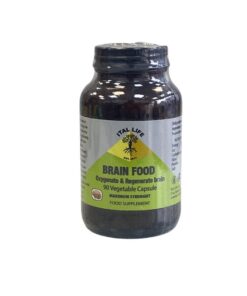
BRAIN FOOD Herbal Capsules | Natural Memory, Focus & Cognitive Support

Alkaline Herb Formulas

Support Packs
Alkaline Herb Formulas
Immune & Lymph Herbal Capsules | Natural Lymphatic & Immune Support & Wellness Formula
Reviews
There are no reviews yet.