

 ITAL LIFE
 EARTH’S CREATION
 NACHER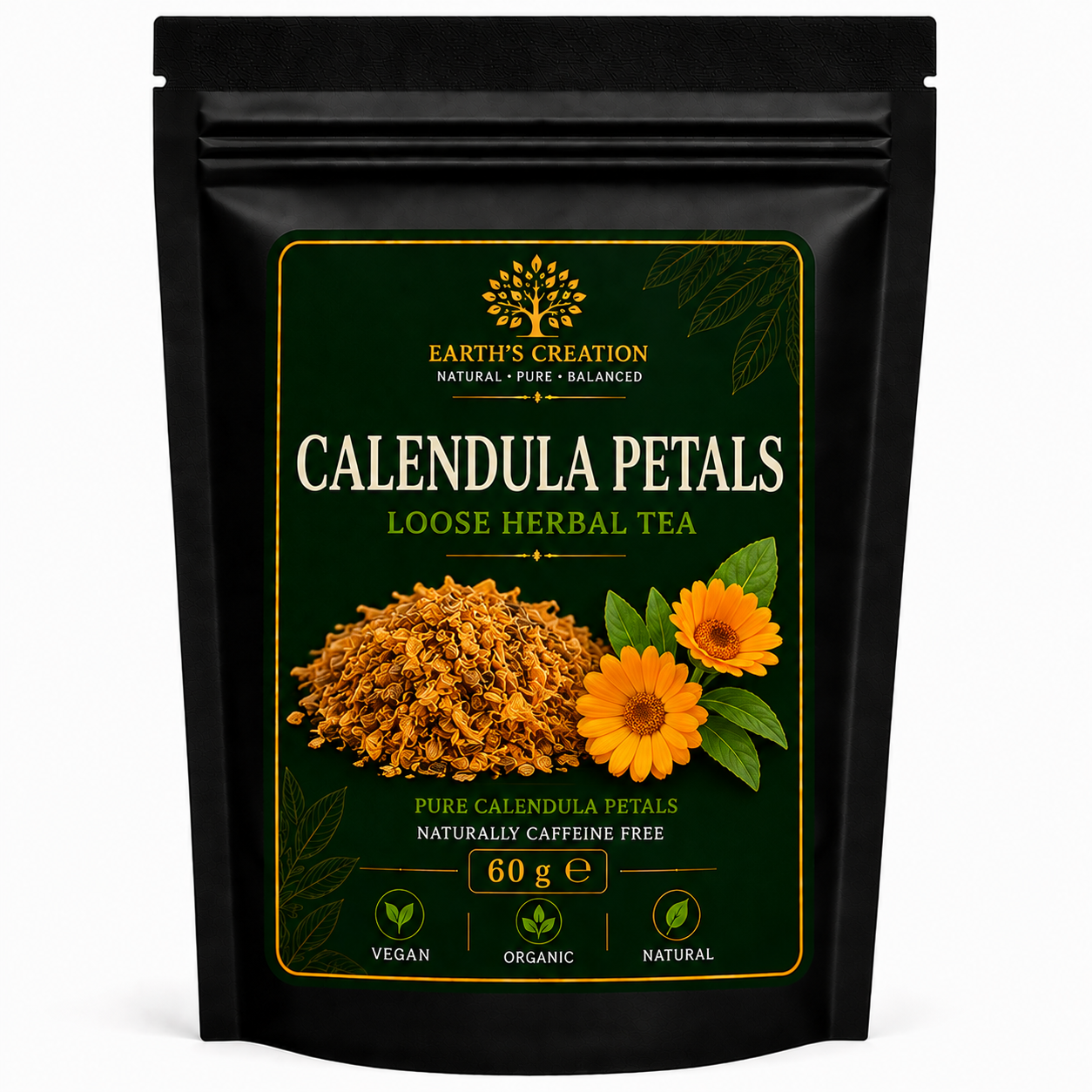
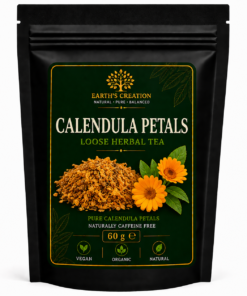
Calendula Petal – A Colourful Traditional Botanical
Calendula Petal is obtained from the vibrant flowers of Calendula officinalis, a well-known botanical commonly associated with traditional herbal preparations. Recognisable by its brilliant golden-yellow to orange colour, calendula has been cultivated and appreciated for generations.
The dried petals retain much of the flower’s characteristic colour, making them particularly attractive compared with many dried leaves and roots. They can be incorporated into suitable herbal preparations, botanical blends and other traditional applications.
Calendula officinalis is an accepted botanical species belonging to the Asteraceae family. Kew records its native range as the western Mediterranean and notes its uses in food as well as medicine.
What Is Calendula Petal?
Calendula Petal comes from the flowers of Calendula officinalis, sometimes commonly called calendula or marigold.
Calendula should not be confused with unrelated plants commonly called marigolds, particularly species belonging to the genus Tagetes. Using the botanical name Calendula officinalis helps customers identify the plant accurately.
The flowers are harvested and dried, creating a versatile botanical ingredient with a distinctive appearance.
Calendula has a long history in European herbal traditions and remains widely recognised today. The European Medicines Agency identifies calendula flower as the flowers of Calendula officinalis L.
Traditional Uses of Calendula
Calendula has a longstanding reputation as a traditional botanical.
Historically, its brightly coloured flowers have been incorporated into numerous herbal preparations. The flower is particularly well known in preparations intended for external use.
The European Medicines Agency has formally assessed calendula flower. Its conclusions recognise the traditional use of defined calendula preparations for minor skin inflammation, minor wounds and minor inflammation of the mouth or throat. The EMA also makes clear that these conclusions are based on long-standing traditional use, rather than sufficient clinical-trial evidence.
This distinction is important when describing ordinary dried petals. A dried botanical product should not be presented as a treatment for a medical condition simply because specific herbal medicinal preparations have recognised traditional uses.
Calendula Petal for Botanical Preparations
The beautiful appearance of dried calendula makes it particularly versatile.
The petals can add natural visual interest to appropriate herbal blends and other botanical preparations. Their golden and orange appearance works particularly well alongside green leaves and other colourful dried flowers.
People interested in individual botanicals may also appreciate being able to select calendula separately rather than purchasing it as part of a premixed formulation.
Always follow the preparation and usage directions supplied with the product, particularly when combining multiple botanical ingredients.
Calendula officinalis – Botanical Background
The botanical name of calendula is Calendula officinalis.
It belongs to the Asteraceae family, which also includes many other familiar flowering plants.
Kew’s Plants of the World Online recognises Calendula officinalis as an accepted species and describes it as an annual or biennial plant primarily associated with temperate environments.
Its bright flowers have helped make calendula popular not only within herbal traditions but also as an ornamental garden plant.
This combination of botanical history, distinctive appearance and traditional use has helped calendula remain familiar across generations.
A Naturally Colourful Dried Herb
One of the most immediately noticeable characteristics of Calendula Petal is its colour.
Many dried herbs become predominantly green or brown after harvesting. Calendula petals can retain striking shades of yellow and orange, making them visually distinctive within a collection of dried botanicals.
Their appearance makes them particularly attractive for suitable botanical blends where colour and presentation are important.
Natural products will inevitably vary somewhat in colour, size and appearance between harvests. This variation is normal and reflects the natural character of dried plant ingredients.
Why Choose Calendula Petal?
Calendula makes an attractive addition to a traditional botanical collection for several reasons:
- Obtained from Calendula officinalis
- Naturally vibrant yellow and orange appearance
- Long history of traditional botanical use
- Suitable for appropriate herbal preparations
- Can be incorporated into botanical blends
- Attractive addition to a dried-herb collection
- Recognised within European herbal literature
- Versatile dried flower ingredient
For people accustomed to roots and green leafy herbs, calendula provides something noticeably different.
Building Your Herbal Collection
A varied botanical collection can include roots, leaves, flowers and other plant ingredients, each providing different characteristics.
Calendula works particularly well alongside other traditional flowering botanicals and can also complement familiar dried leaves and roots.
Explore our other traditional dried herbs and botanical products to expand your herbal collection.
Having individual ingredients available provides greater flexibility when selecting botanicals for appropriate preparations.
Important Information
Calendula Petal should be used according to the directions supplied with the product.
People who are allergic or hypersensitive to plants belonging to the Asteraceae family should avoid calendula preparations. The EMA specifically identifies hypersensitivity to Asteraceae plants as a contraindication for the calendula flower medicines covered by its assessment.
Anyone who is pregnant or breastfeeding, taking medication, living with an existing medical condition or uncertain about using a botanical product should seek appropriate professional advice.
Herbal products should not replace prescribed medicines or necessary medical care.
Discover Traditional Calendula
With its vivid natural colour and longstanding place within botanical traditions, Calendula Petal makes an appealing addition to a dried-herb collection.
Whether you are discovering calendula for the first time or expanding an established selection of botanicals, these dried petals provide a distinctive ingredient with an extensive history.
Explore our other traditional dried herbs and botanical products to expand your herbal collection.
For independent information about calendula and its documented traditional use, see the European Medicines Agency’s assessment of calendula flower.
Only logged in customers who have purchased this product may leave a review.
Related products
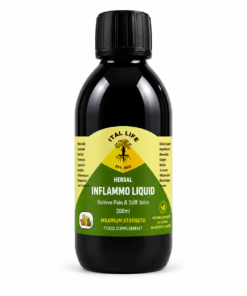
Alkaline Herb Formulas
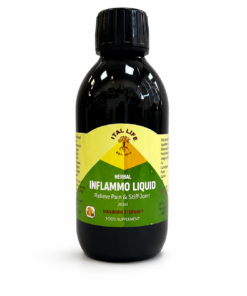
Inflammo Liquid Herbal Tonic | Joint, Inflammation & Mobility Support | Plant-Based Herbal Formula
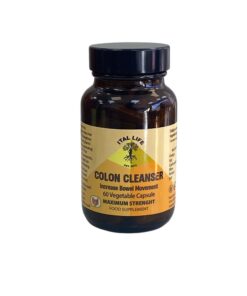

Alkaline Herb Formulas
Colon Cleanser Compound Herbal Capsules | Gut Cleanse & Bowel Wellness Formula

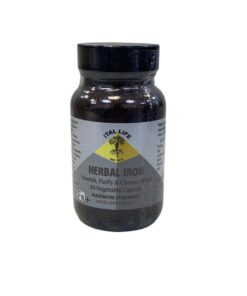

Alkaline Herb Formulas
Herbal Iron Compound Capsules, Natural Iron & Blood Support.

Alkaline Herb Formulas
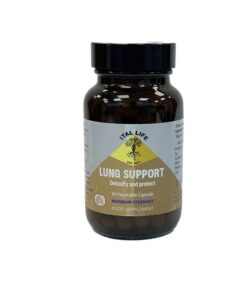
Lung Support Herbal Capsules, Natural Respiratory & Lung Health Support


Alkaline Herb Formulas
Inflammo Herbal Capsules | Natural Joint & Inflammation Support Wellness Formula

Reviews
There are no reviews yet.