

 ITAL LIFE
 EARTH’S CREATION
 NACHER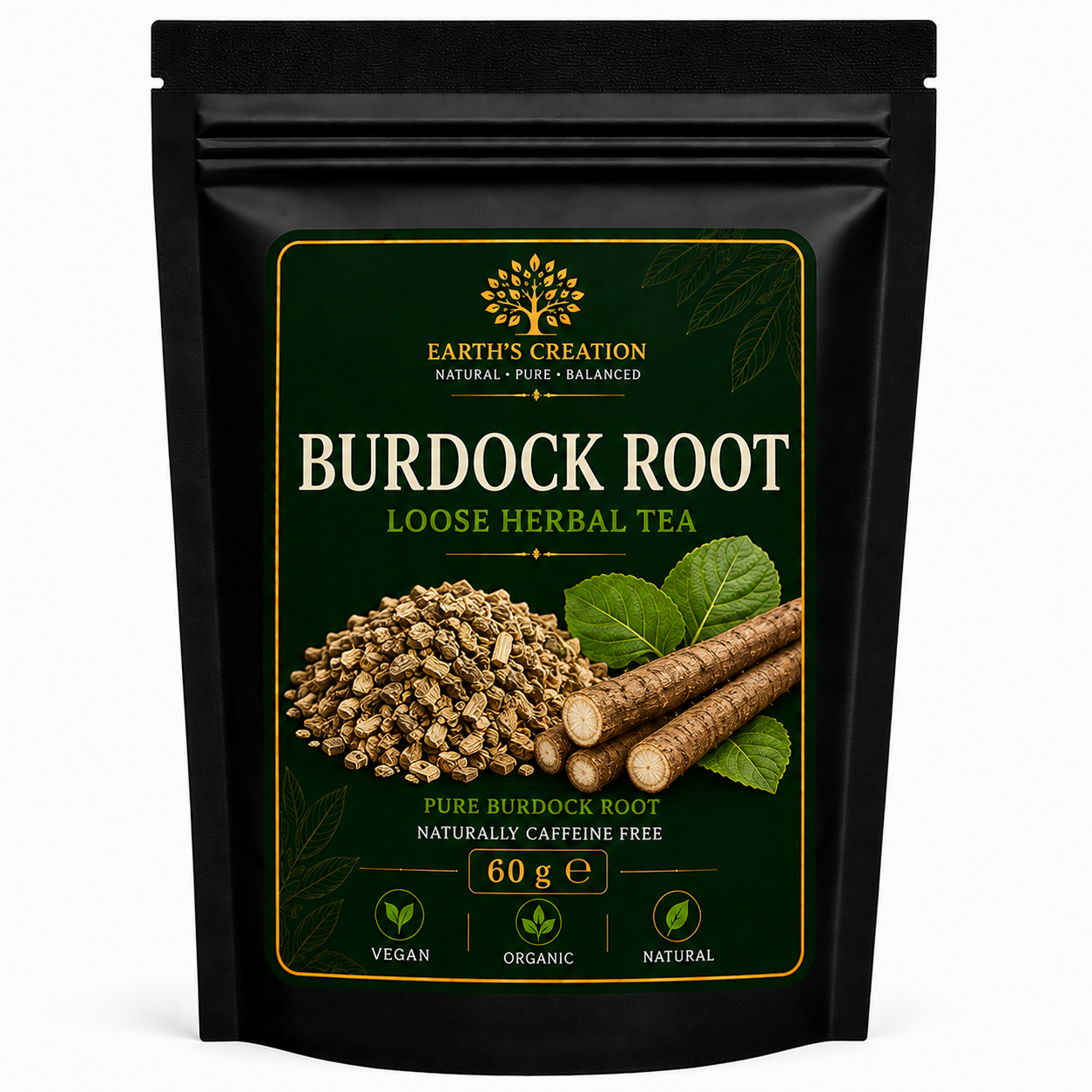
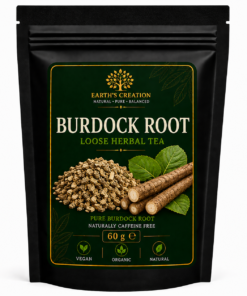
Burdock Root – A Traditional Botanical
Burdock Root is a traditional botanical obtained from plants of the Arctium genus and has a long history of use in European and Asian herbal traditions. Greater burdock, Arctium lappa, is perhaps the best-known species and belongs to the Asteraceae family. Kew recognises Arctium lappa as an accepted species with a native range extending across temperate Eurasia.
The dried root has a distinctive earthy character and has traditionally been prepared in herbal teas and other botanical preparations. Its long history has made burdock familiar to herbalists and people interested in traditional plant ingredients.
Unlike complicated multi-ingredient formulations, dried root provides a straightforward botanical ingredient that can be prepared alone or combined appropriately with complementary herbs.
What Is Burdock Root?
Burdock Root comes from plants belonging to the genus Arctium. The plant is recognisable for its broad leaves and distinctive burrs, which readily attach themselves to clothing and animal fur.
The root is harvested and dried for use as a botanical ingredient. The European Medicines Agency’s herbal monograph includes dried whole or cut roots from Arctium lappa and certain related Arctium species.
Once dried and appropriately prepared, the root can be used in traditional herbal preparations.
Its earthy character makes it particularly interesting for customers who enjoy roots such as dandelion and other traditional bitter botanicals.
Traditional Use of Burdock
Burdock has been valued in different herbal traditions for generations.
Its history extends beyond one particular region, reflecting the wide natural distribution of the plant throughout temperate Eurasia.
Traditional use should always be distinguished from proven medical treatment. Historical use of a botanical does not mean that the product has been clinically demonstrated to prevent, treat or cure a disease.
For an everyday dried-herb product, it is therefore more appropriate to focus on the plant’s traditional background, botanical characteristics and versatility.
Burdock Root for Herbal Tea
One popular way to explore Burdock Root is in traditional herbal tea preparations.
The European Medicines Agency’s monograph specifically recognises comminuted burdock root as a herbal tea preparation within its traditional-use framework.
Because roots are naturally tougher than leaves and flowers, their preparation can differ from that of delicate herbal teas. Follow the preparation instructions supplied with your particular product.
Burdock’s earthy flavour also allows it to be incorporated into carefully selected botanical blends.
People building their own herbal collection may enjoy experimenting with complementary roots and leaves while keeping each preparation simple.
A Distinctive Dried Herbal Root
One of the attractions of burdock is its unmistakable character.
Roots offer a different experience from aromatic leaves, delicate flowers and conventional tea ingredients. Their deeper, earthier character makes them useful ingredients for people exploring traditional herbal preparations.
Dried burdock can therefore complement other botanicals in a varied herbal collection without requiring complicated processing or formulations.
Botanical Background
Greater burdock is scientifically known as Arctium lappa.
Kew’s Plants of the World Online places the species within the Asteraceae family and records it as a perennial growing primarily within temperate regions.
The plant has spread beyond parts of its native range and is now found in numerous regions around the world.
Understanding the botanical identity of herbs is useful because common names can sometimes refer to several related plants.
For customers interested in botanical ingredients, seeing the scientific name alongside the common name provides additional information about exactly what they are purchasing.
Why Choose Burdock Root?
Burdock Root makes an interesting addition to a traditional herbal collection for several reasons:
- Traditional dried botanical root
- Associated with Arctium species
- Earthy and distinctive character
- Suitable for appropriate herbal tea preparations
- Can be incorporated into botanical blends
- Long history within traditional herbal practices
- Complements other dried roots and herbs
- Officially documented by European herbal authorities
The simplicity of dried botanical ingredients also appeals to people who prefer to select individual herbs for their collection.
Building a Traditional Herbal Collection
Burdock can sit comfortably alongside botanicals such as dandelion, artichoke, nettle and other traditional dried herbs.
Having individual botanical ingredients available allows customers to explore different flavours, aromas and traditional preparations without being restricted to premixed formulas.
Explore our other traditional dried herbs and botanical products to expand your herbal collection.
For your internal link, highlight “traditional dried herbs” and link it to one of your existing relevant products.
Important Information
Traditional herbal products should always be used responsibly and according to the directions provided.
Anyone who is pregnant or breastfeeding, taking medication, living with an existing medical condition or uncertain whether a particular herb is appropriate should obtain professional healthcare advice before use.
People with known allergies to plants in the Asteraceae family should also seek appropriate advice before using burdock.
Herbal products should not be used as substitutes for prescribed medicines or necessary medical care.
Discover Traditional Burdock
With its characteristic earthy nature and longstanding place in botanical traditions, burdock remains an interesting choice for anyone exploring dried herbal ingredients.
Whether you’re building a botanical collection, exploring traditional herbal teas or simply discovering different plant ingredients, Burdock Root offers a distinctive traditional root with an extensive botanical history.
Explore our other traditional dried herbs and botanical products to expand your herbal collection.
For independent botanical information about greater burdock, see the Royal Botanic Gardens, Kew record for Arctium lappa.
Only logged in customers who have purchased this product may leave a review.
Related products



Alkaline Herb Formulas
Organ Cleanser Herbal Capsules | Natural Liver, Kidney & Digestive Support.

Alkaline Herb Formulas
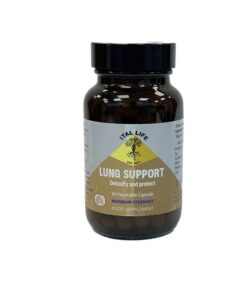
Lung Support Herbal Capsules, Natural Respiratory & Lung Health Support

Alkaline Herb Formulas
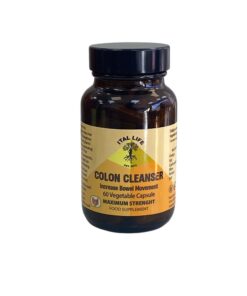
Colon Cleanser Compound Herbal Capsules | Gut Cleanse & Bowel Wellness Formula

Alkaline Herb Formulas
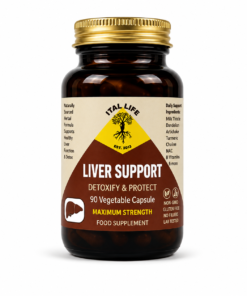
Liver Support Herbal Capsules | Natural Liver, Bile & Digestive Support | Plant-Based Herbal Formula

Support Packs

Alkaline Herb Formulas
BRAIN FOOD Herbal Capsules | Natural Memory, Focus & Cognitive Support
Reviews
There are no reviews yet.