

 ITAL LIFE
 EARTH’S CREATION
 NACHER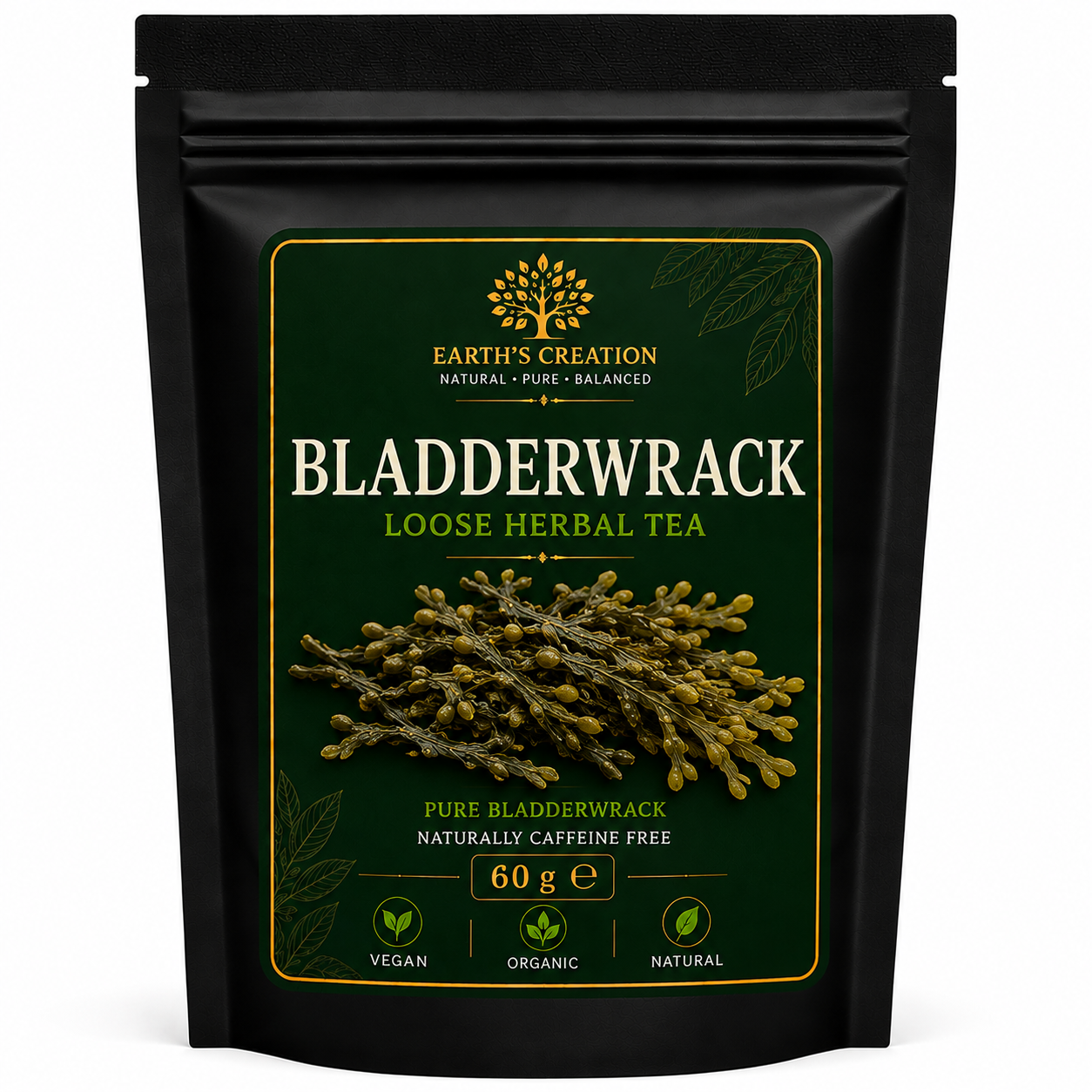
Bladderwrack Seaweed
Bladderwrack Seaweed is a traditional brown seaweed that has been valued for generations as a natural food and herbal ingredient. Also known botanically as Fucus vesiculosus, bladderwrack grows naturally along rocky coastlines and is recognised by its distinctive flattened fronds and small air-filled bladders. It has a long history of use, particularly in coastal communities where sea vegetables formed an important part of traditional diets and herbal practices.
Naturally containing iodine and a variety of minerals and trace elements, Bladderwrack Seaweed is an interesting addition to a balanced herbal wellness routine. Its naturally occurring nutritional profile is one of the main reasons bladderwrack continues to be used in traditional preparations today.
Unlike highly processed supplements, dried Bladderwrack Seaweed provides the plant in a relatively simple and recognisable form. It can be incorporated into appropriate herbal preparations, infusions and other traditional uses depending on individual preference.
Bladderwrack Seaweed and Traditional Herbal Use
Bladderwrack Seaweed has a particularly strong association with traditional European coastal herbal practices. Seaweeds have historically been gathered as foods and botanical ingredients because of the naturally occurring nutrients obtained from the marine environment.
One of the best-known characteristics of bladderwrack is its natural iodine content. Iodine is an essential nutrient required by the body for normal thyroid hormone production and normal thyroid function. However, because the iodine content of seaweed can vary considerably, bladderwrack should be consumed responsibly rather than treated like an ordinary culinary herb.
You can learn more about iodine and its role in the diet from the NHS
Bladderwrack also naturally contains other minerals and plant compounds associated with brown seaweeds.
Naturally Occurring Minerals in Bladderwrack Seaweed
Sea vegetables absorb nutrients directly from the surrounding seawater, giving them a nutritional composition quite different from land-based herbs.
Bladderwrack Seaweed naturally contains a range of minerals and trace elements. Its precise nutritional composition can vary depending on where and when the seaweed was harvested.
This natural variation is important when using seaweed products. More is not necessarily better, particularly where iodine is concerned. Bladderwrack is best viewed as a traditional sea vegetable to be incorporated thoughtfully into a wider, varied diet and wellness routine.
How to Use Bladderwrack Seaweed
Dried Bladderwrack Seaweed can be used in a variety of traditional herbal and culinary preparations. Depending on the form supplied, it may be prepared as an infusion or combined with other suitable botanical ingredients.
Its distinctive marine character makes it quite different from conventional dried herbs. People who enjoy creating their own herbal preparations can combine bladderwrack with complementary ingredients according to the preparation being made.
Always follow the directions supplied with the product and avoid excessive consumption.
Bladderwrack Seaweed for Everyday Herbal Wellness
Bladderwrack remains popular with people interested in traditional botanical ingredients, sea vegetables and naturally sourced foods.
Its combination of traditional use and naturally occurring marine nutrients has helped Bladderwrack Seaweed retain its place in modern herbal collections. It can sit alongside roots, leaves, flowers and other botanicals as part of a diverse selection of traditional plant ingredients.
For people exploring sea vegetables for the first time, bladderwrack provides an opportunity to discover a botanical with a very different history and nutritional profile from most terrestrial herbs.
Why Choose Bladderwrack Seaweed?
Bladderwrack is valued for its traditional use, distinctive marine origin and naturally occurring nutrients.
Key features include:
- Traditional brown seaweed
- Naturally occurring source of iodine
- Contains naturally occurring minerals and trace elements
- Botanical name Fucus vesiculosus
- Suitable for traditional herbal preparations
- Distinctive whole seaweed ingredient
- Suitable for an established herbal wellness collection
Important Information
Because Bladderwrack Seaweed naturally contains iodine, people with thyroid conditions, people taking thyroid medication, pregnant or breastfeeding women, or anyone taking medication should seek appropriate professional advice before using bladderwrack products.
Seaweed can contain considerably different amounts of iodine depending on its source and processing, so recommended quantities should not be exceeded.
Bladderwrack should be used as part of a varied, balanced diet and healthy lifestyle and should not be used as a substitute for medical treatment.
Discover Traditional Bladderwrack Seaweed
With its long history of traditional use and distinctive marine nutritional profile, Bladderwrack Seaweed is a fascinating addition to a herbal collection. Whether used as part of an established botanical routine or explored as a traditional sea vegetable, bladderwrack offers a naturally sourced ingredient with centuries of history behind it.
Explore our other traditional herbal products and botanical ingredients to complement your everyday herbal wellness routine.
Only logged in customers who have purchased this product may leave a review.
Related products


Alkaline Herb Formulas
BRAIN FOOD Herbal Capsules | Natural Memory, Focus & Cognitive Support


Alkaline Herb Formulas
Clear Sight Herbal Capsules | Natural Eye Health & Vision Support.


Alkaline Herb Formulas
Inflammo Herbal Capsules | Natural Joint & Inflammation Support Wellness Formula
Nacher Herbal Powders



Alkaline Herb Formulas
Reviews
There are no reviews yet.