

 ITAL LIFE
 EARTH’S CREATION
 NACHER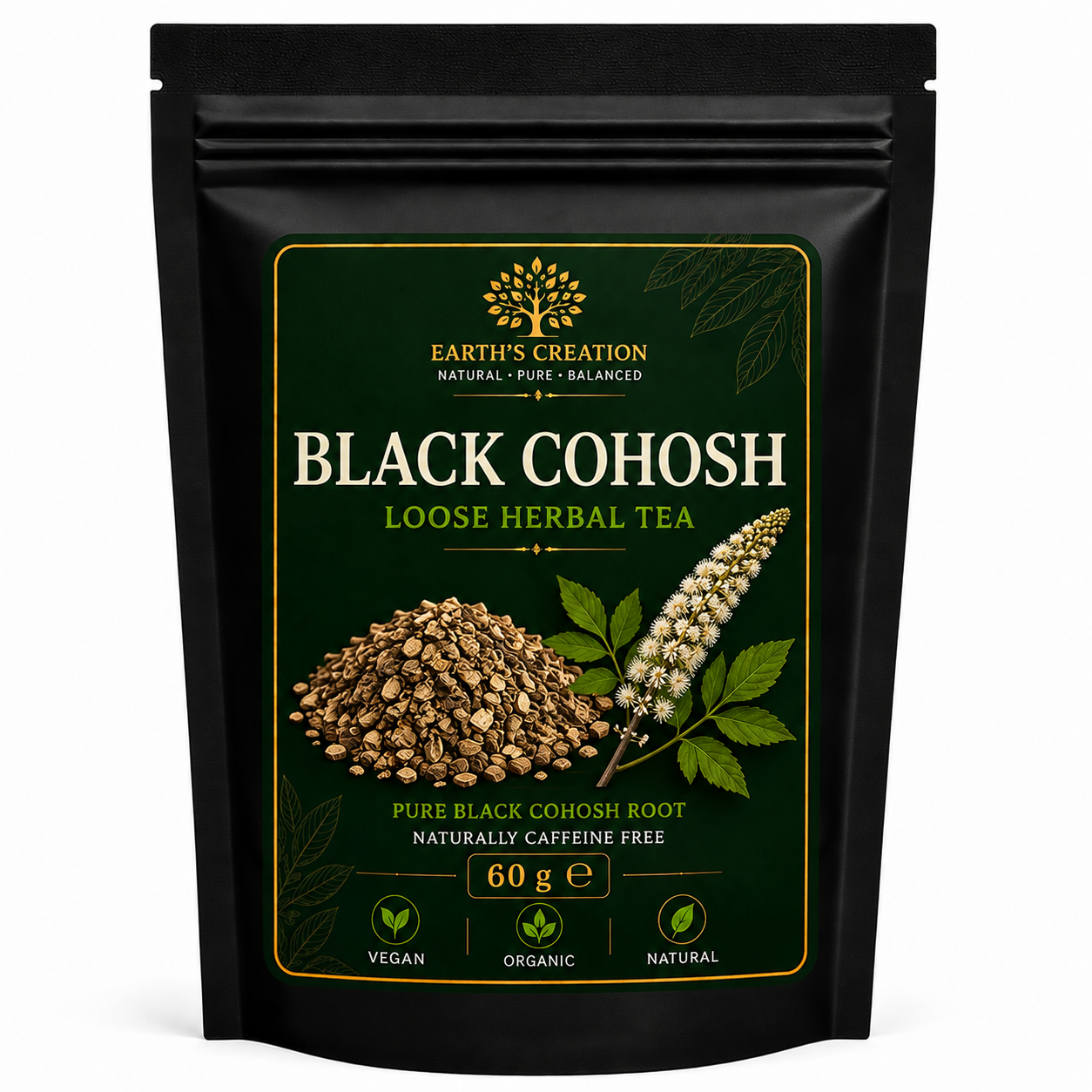
Black Cohosh Root – Traditional North American Botanical
Black Cohosh Root is a traditional botanical obtained from Actaea racemosa, a perennial flowering plant native to eastern North America. Formerly widely known by the botanical name Cimicifuga racemosa, black cohosh has a long history of traditional use and remains one of the better-known botanicals associated with women’s herbal preparations.
The underground parts of the plant, including the root and rhizome, are the portions most commonly associated with traditional preparations. Once harvested and dried, they can be incorporated into different herbal products and preparations.
For customers interested in traditional botanical ingredients, Black Cohosh Root provides an opportunity to explore a distinctive North American plant with an established herbal history.
What Is Black Cohosh Root?
Black cohosh belongs to the Ranunculaceae, or buttercup, family. The plant produces tall stems of small pale flowers and naturally grows in woodland environments.
Its accepted botanical name is Actaea racemosa. Customers may also encounter the older name Cimicifuga racemosa on herbal references and product information.
Correct botanical identification is particularly important when purchasing herbs because common names can sometimes be used for several different plants.
Black Cohosh Root therefore provides a useful example of why both the common and scientific names should be considered when researching traditional botanicals.
Traditional Uses of Black Cohosh Root
Black cohosh has a long history in North American herbal traditions. In modern herbal markets, it has become particularly associated with products intended for women around the menopause.
The European Medicines Agency has assessed preparations made from black cohosh rhizome and recognises certain defined herbal medicinal products for the relief of menopausal complaints such as hot flushes and excessive sweating.
However, that does not mean every loose or dried Black Cohosh Root product should automatically be advertised as treating menopausal symptoms.
Different preparations, extracts and concentrations can vary considerably. Claims established for a defined medicinal preparation should not simply be transferred to every retail herbal product containing the same plant.
For a general botanical product, explaining black cohosh’s traditional heritage and established botanical identity provides customers with useful information without making unnecessary medical promises.
Black Cohosh and Women’s Herbal Traditions
The association between Black Cohosh Root and women’s herbal wellness has made the plant particularly recognisable.
Modern consumers may encounter black cohosh in capsules, tablets, liquid extracts and other formulated products. Loose botanical preparations provide a different way to explore the herb.
This traditional association should always be presented responsibly. Menopause is a normal stage of life, but symptoms can sometimes significantly affect wellbeing. Customers experiencing persistent or concerning symptoms should seek appropriate professional healthcare advice rather than relying exclusively on herbal products.
Botanical Heritage of Black Cohosh
Actaea racemosa is native primarily to eastern areas of North America and has become internationally recognised through its history of botanical use.
The plant’s distinctive appearance, woodland habitat and traditional reputation have helped maintain interest in it for generations.
Botanical authorities now generally accept Actaea racemosa as the scientific name, although Cimicifuga racemosaremains common in older herbal literature.
This means customers researching Black Cohosh Root may encounter both names. They generally refer to the same botanical species when used correctly.
Black Cohosh Root in Modern Herbal Products
Modern herbal products can vary considerably in their preparation.
Some contain dried botanical material, while others use concentrated or standardised extracts. These differences matter because the composition and amount of plant constituents delivered by each preparation may not be equivalent.
This is why the directions supplied with the specific product should always take priority over generic instructions found elsewhere.
Do not assume that a serving recommendation for a standardised black cohosh extract also applies to loose root or another type of preparation.
Important Considerations
Herbal products are not automatically suitable for everyone simply because they originate from plants.
Anyone who is pregnant or breastfeeding, taking medication, receiving treatment for a medical condition or unsure whether black cohosh is appropriate should seek professional healthcare advice before use.
There have also been reports of liver problems in people using black cohosh products, although whether black cohosh itself caused those cases has not been definitively established. Anyone who develops symptoms potentially associated with liver problems while taking a black cohosh product should stop using it and seek medical advice.
Women with a history of, or increased risk for, hormone-sensitive conditions should also obtain appropriate professional advice before using black cohosh preparations.
A Traditional Botanical for Your Herbal Collection
For customers interested in traditional North American botanicals, Black Cohosh Root has a particularly interesting history.
Its recognised botanical identity, longstanding traditional associations and continued presence in contemporary herbal products have made black cohosh one of the more familiar herbs associated with women’s wellness.
Whether you’re researching traditional herbs or expanding an existing botanical collection, Black Cohosh Root provides an opportunity to explore a plant whose history extends from traditional North American use to modern European herbal assessment.
Always follow the directions provided with your particular product and store it securely according to the instructions on the packaging.
Explore our other traditional botanical products for more additions to your everyday herbal collection.
For independent information about black cohosh, its uses and safety considerations, see the National Center for Complementary and Integrative Health’s black cohosh guide.
Only logged in customers who have purchased this product may leave a review.
Related products

Alkaline Herb Formulas
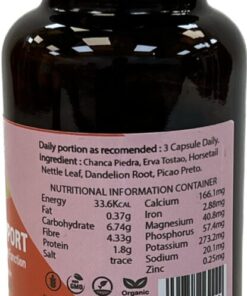
Kidney Support Herbal Capsules | Natural Kidney & Urinary Tract Support.
Alkaline Herb Formulas
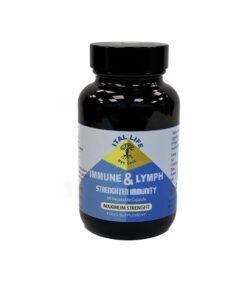
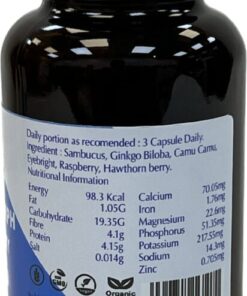
Immune & Lymph Herbal Capsules | Natural Lymphatic & Immune Support & Wellness Formula

Alkaline Herb Formulas
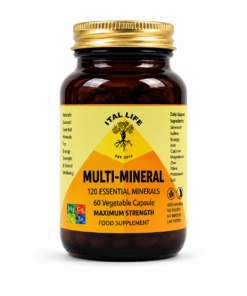
Multi-Mineral Herbal Capsules | Natural Mineral & Trace Element Support, and Wellness Formula

Alkaline Herb Formulas
Herbal Iron Compound Capsules, Natural Iron & Blood Support.

Alkaline Herb Formulas
Anti-V Herbal Capsules, Natural Immune & Antioxidant Support, Plant-Based Daily Wellness Formula
Reviews
There are no reviews yet.