

 ITAL LIFE
 EARTH’S CREATION
 NACHER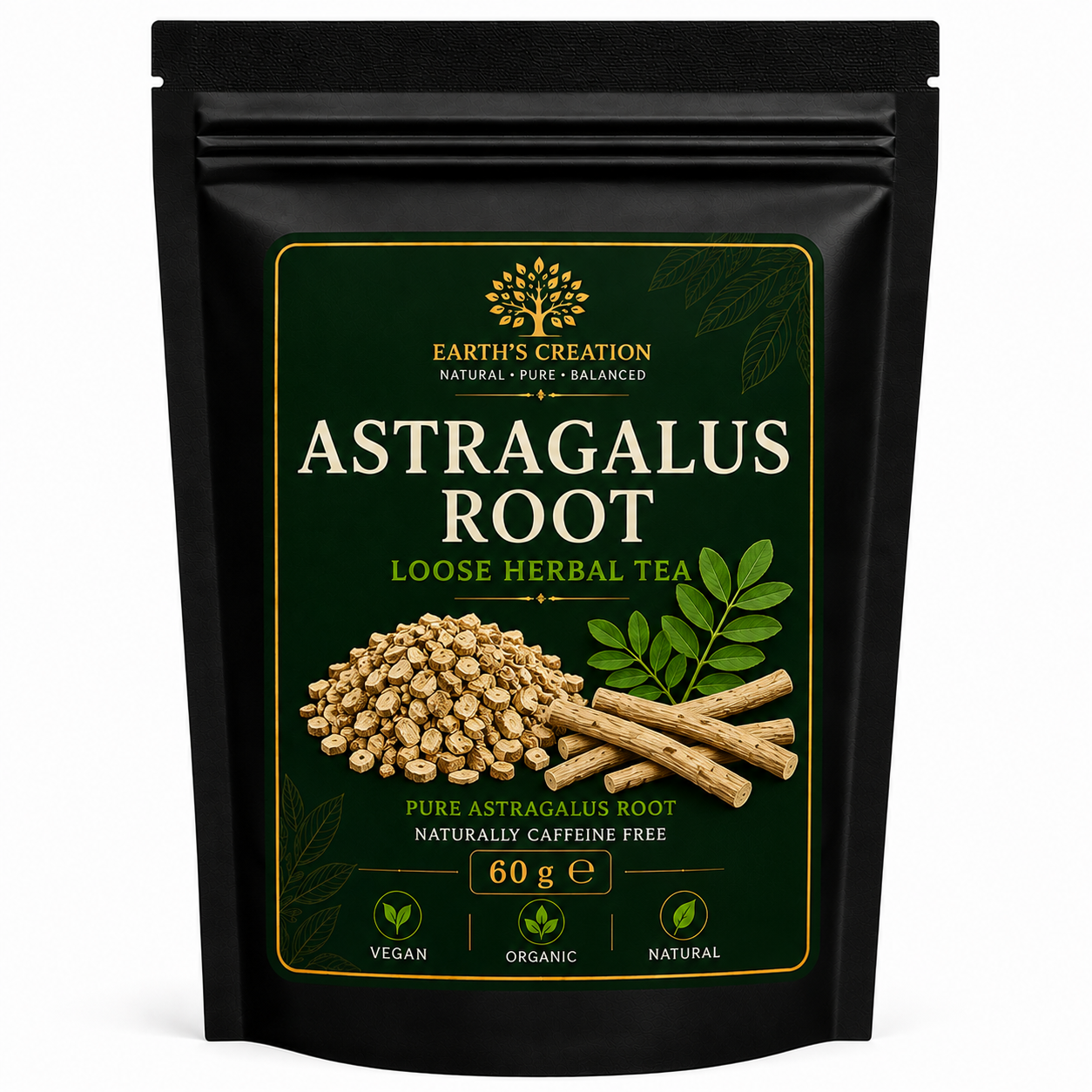
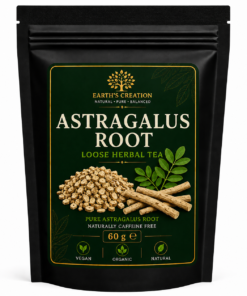
Astragalus Root – Traditional Botanical Herbal Root
Astragalus Root is a traditional botanical with a long history of use in Chinese herbal practices. Obtained primarily from Astragalus membranaceus and closely related accepted botanical sources, astragalus has become one of the most recognisable roots associated with traditional Chinese herbal preparations.
Usually harvested from mature plants and dried for later use, the root has a distinctive appearance and naturally mild character. It can be incorporated into herbal preparations, decoctions and carefully selected botanical blends.
For anyone interested in traditional roots and plant-based wellness, Astragalus Root makes a versatile addition to a home herbal collection.
What Is Astragalus Root?
Astragalus belongs to the Fabaceae, or legume, family. The genus Astragalus is enormous and contains thousands of species, which makes correct botanical identification especially important.
The astragalus commonly associated with traditional Chinese herbal preparations is frequently identified as Astragalus membranaceus. Botanical authorities also recognise Astragalus mongholicus and associated taxonomic naming, so customers may encounter different scientific names depending on the reference or supplier.
This is one reason why purchasing botanicals from a reliable source and checking their botanical identity is important.
A Long History of Traditional Use
Astragalus Root has been incorporated into traditional Chinese herbal practices for generations.
Traditionally, the dried root has been prepared in various ways, including decoctions and combinations with complementary herbs. Its continuing popularity means astragalus is now familiar to herbal enthusiasts well beyond East Asia.
Modern interest in astragalus has also resulted in the plant appearing in powders, extracts, capsules and formulated supplements.
However, traditional use should not be confused with proof that every astragalus preparation can prevent or treat disease. Different preparations can contain different concentrations and compositions.
For a loose herbal product, explaining its traditional heritage and botanical characteristics provides customers with useful information without making unnecessary medicinal promises.
Astragalus Root for Herbal Preparations
One of the advantages of Astragalus Root is its versatility.
Unlike delicate leaves that are commonly steeped for relatively short periods, tougher botanical roots are often traditionally prepared as decoctions. A decoction generally involves gently simmering botanical material in water for longer than a standard herbal infusion.
Astragalus can also be incorporated into botanical blends alongside other compatible herbs and roots.
Customers should always follow the preparation directions provided with the specific product, particularly because cut roots, powders, concentrated extracts and formulated supplements are not interchangeable.
Traditional Chinese Herbal Heritage
Astragalus has a particularly strong association with traditional Chinese herbalism.
In Chinese herbal traditions, the root is commonly known as Huang Qi. Its established place within these traditions has helped make astragalus one of the better-known Chinese botanicals in Western herbal markets.
Today, Astragalus Root is purchased by customers for many different reasons, from an interest in traditional botanical practices to simply expanding their collection of dried roots and herbs.
This traditional background can be discussed without claiming that the retail product diagnoses, prevents or cures a medical condition.
Astragalus and Modern Research
Astragalus has also attracted considerable scientific attention.
Researchers have investigated naturally occurring constituents within astragalus species, including polysaccharides, flavonoids and saponins. Research into an ingredient, however, does not automatically mean that every commercial preparation will produce a particular health outcome.
This distinction matters because concentrated extracts used in research can differ substantially from ordinary dried Astragalus Root.
The U.S. National Center for Complementary and Integrative Health notes that astragalus has been promoted for several health purposes but that there is not sufficient reliable scientific evidence to determine whether it is useful for any health condition.
That makes careful wording especially important when describing astragalus commercially.
Choosing Traditional Botanical Products
When purchasing traditional herbs, botanical identity and product quality are important considerations.
This is particularly relevant to the Astragalus genus because it contains such a large number of different species.
A clearly identified product allows customers to understand exactly which botanical they are purchasing and makes it easier to research its traditional background from reliable sources.
Botanical products should also be stored according to the supplier’s instructions, generally protected from excessive moisture, heat and direct sunlight.
A Versatile Addition to Your Herbal Collection
Astragalus Root offers a fascinating introduction to one of the best-known roots associated with traditional Chinese herbal practices.
Its long history, distinctive botanical identity and suitability for traditional preparations have helped maintain its popularity across generations.
It can be explored individually or incorporated thoughtfully into botanical preparations alongside other traditional herbs.
Whether you’re already familiar with Chinese herbal traditions or simply expanding your selection of botanical roots, Astragalus Root provides a versatile addition to a carefully chosen herbal collection.
Explore our other traditional herbs and botanical products to complement your herbal collection.
For further information about astragalus and current scientific evidence, see the National Center for Complementary and Integrative Health’s guide to astragalus.
Only logged in customers who have purchased this product may leave a review.
Related products
Alkaline Herb Formulas
Alkaline Herb Formulas
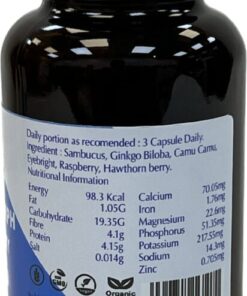
Immune & Lymph Herbal Capsules | Natural Lymphatic & Immune Support & Wellness Formula

Alkaline Herb Formulas
Neuro Tonic Herbal Supplement | Natural Nervous System Support,

Alkaline Herb Formulas
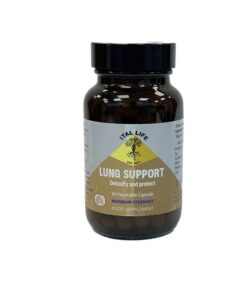
Lung Support Herbal Capsules, Natural Respiratory & Lung Health Support
Alkaline Herb Formulas
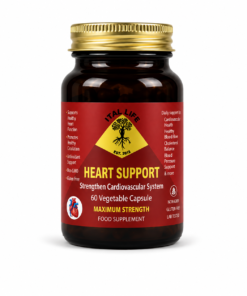
Heart Support Herbal Capsules | Natural Cardiovascular & Circulation Support

Alkaline Herb Formulas
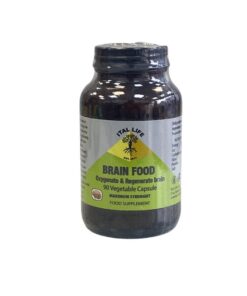
BRAIN FOOD Herbal Capsules | Natural Memory, Focus & Cognitive Support
Reviews
There are no reviews yet.